
Narva demo site
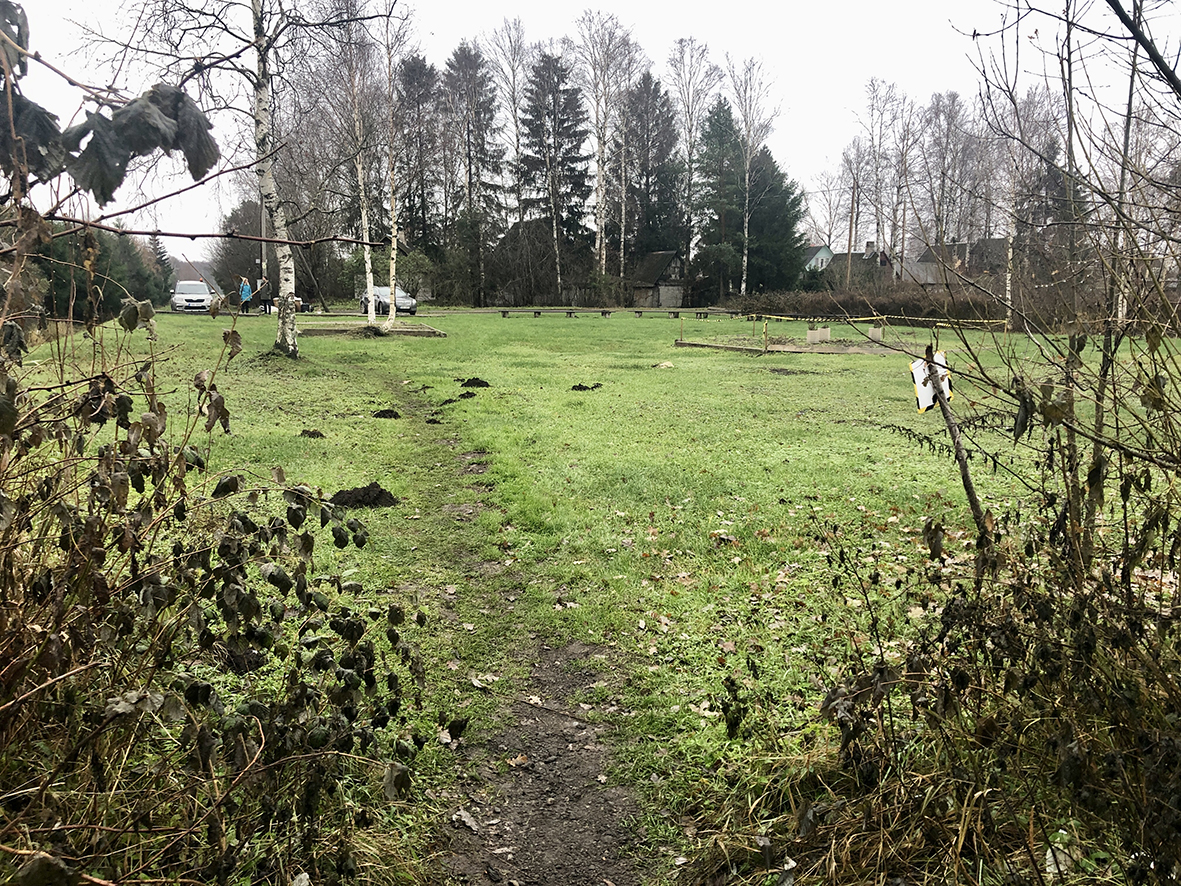
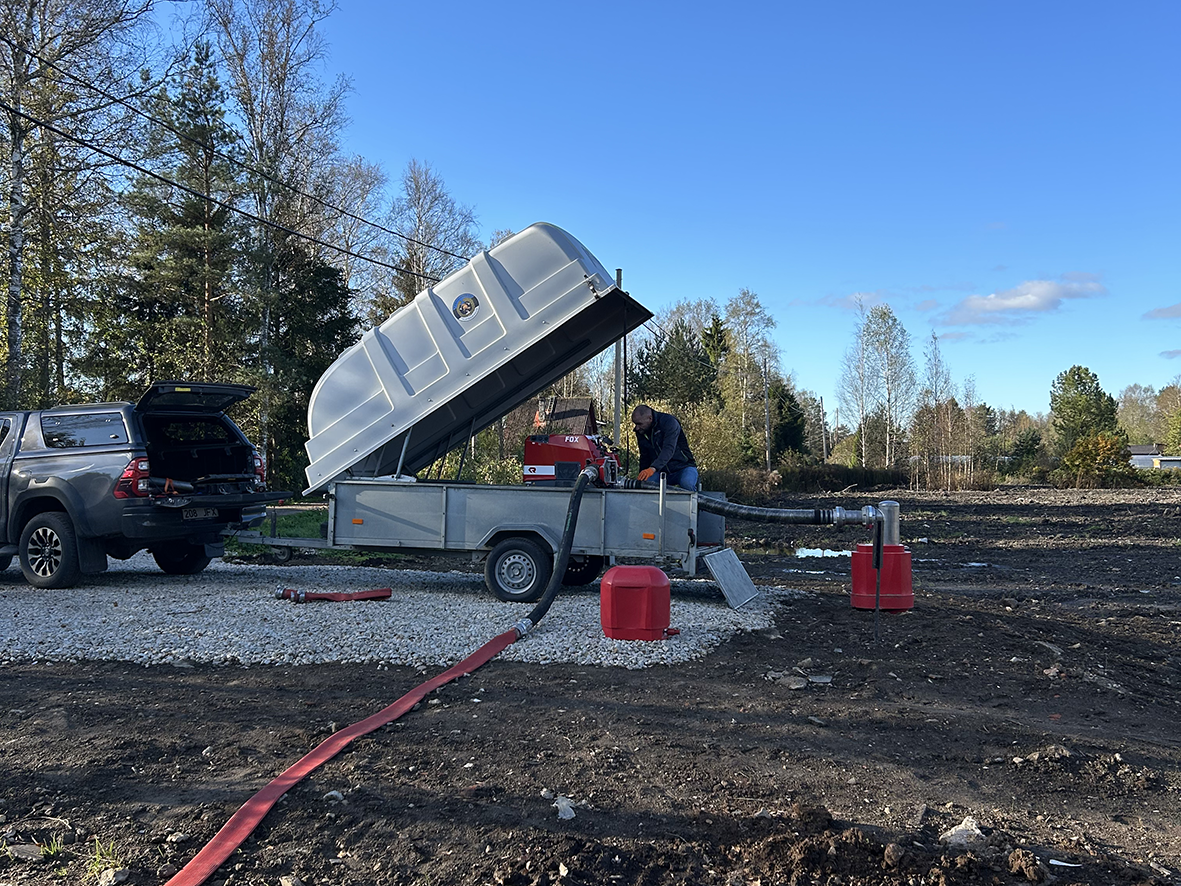
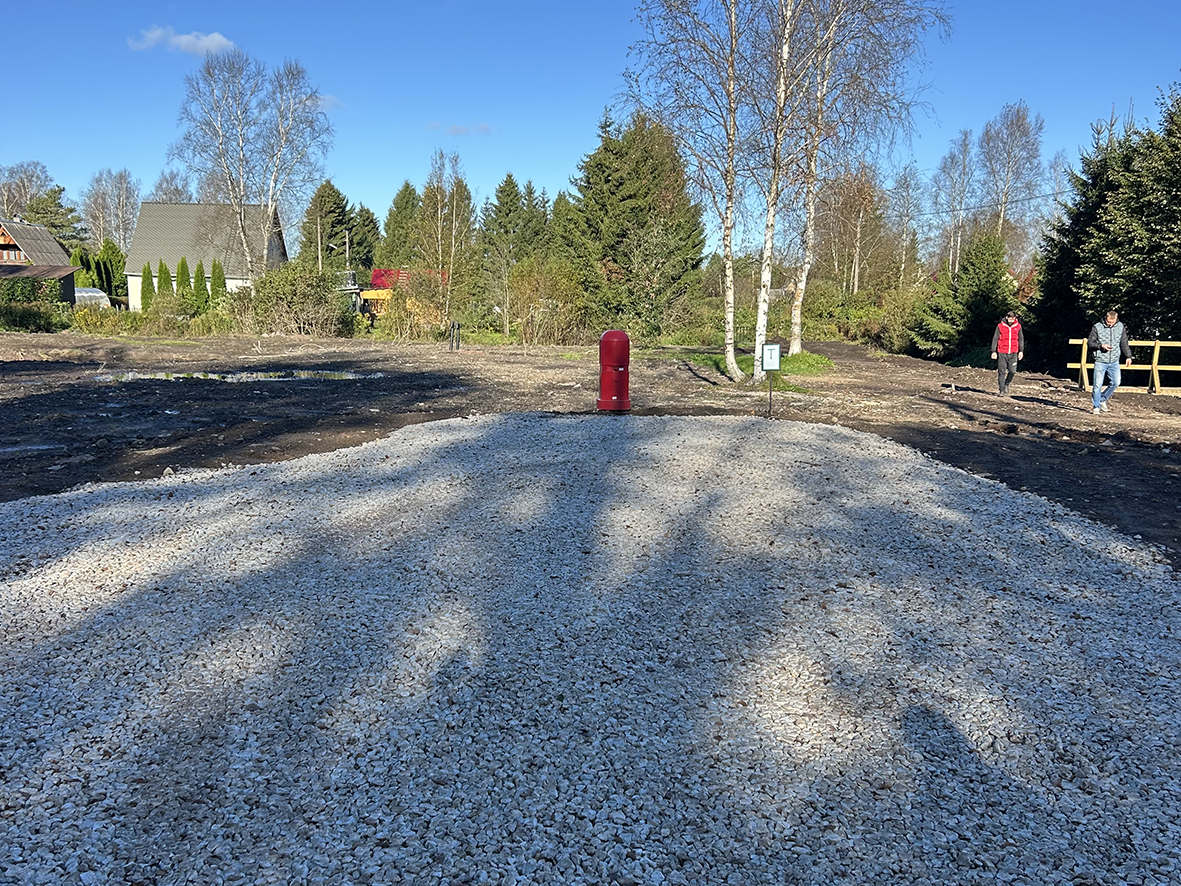
Narva is participating in the project with a pilot solution for the recirculation of excess water in the Kudruküla district’s gardening associations. The goal is to redirect water from the area’s most important land improvement system—the Kudruküla stream—through a buffer pond into a reservoir, creating the possibility for its use as fire-fighting water. The selection of the sample area was based on finding a sufficiently large, undeveloped, publicly owned land parcel located centrally within the serviced area. The selected site, a publicly accessible plot located on the bank of the Kudruküla stream, is situated at the northern corner of the gardening association Elektron. The fire-fighting water intake point constructed there serves not only the Elektron gardening association but also the seasonal residential areas (about 100 dwellings with auxiliary buildings) of three adjacent gardening associations (AÜ Gvozdika, AÜ Adonis and Salvia, AÜ Rjabinka) within a radius of up to 250 m.
In this area of regular periodic excess water (largely the whole territory of Kudruküla), there is also a serious problem with the supply of external fire-fighting water. Namely, this densely populated area has so far lacked any solution for obtaining fire-fighting water—there is no public water supply network, and there are no natural bodies of water nearby with sufficient volume for establishing water extraction points.
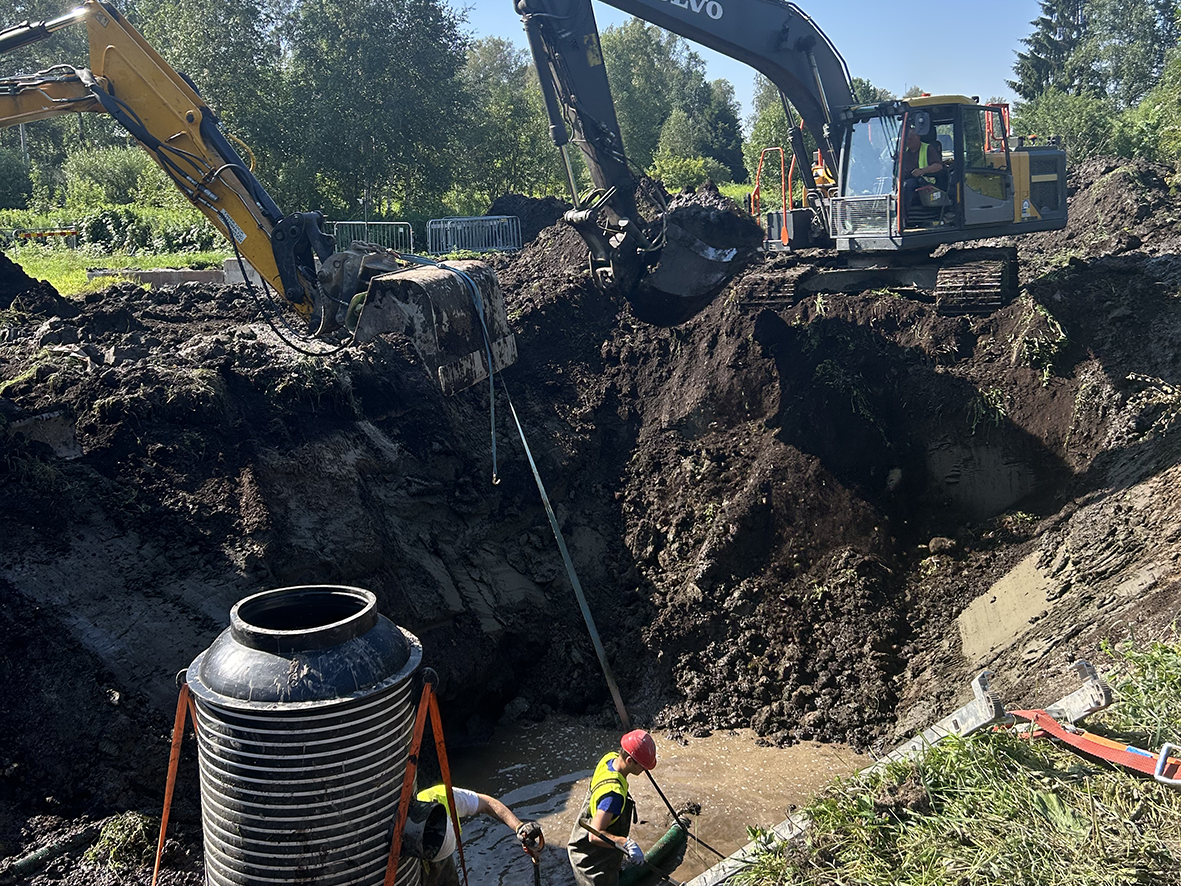
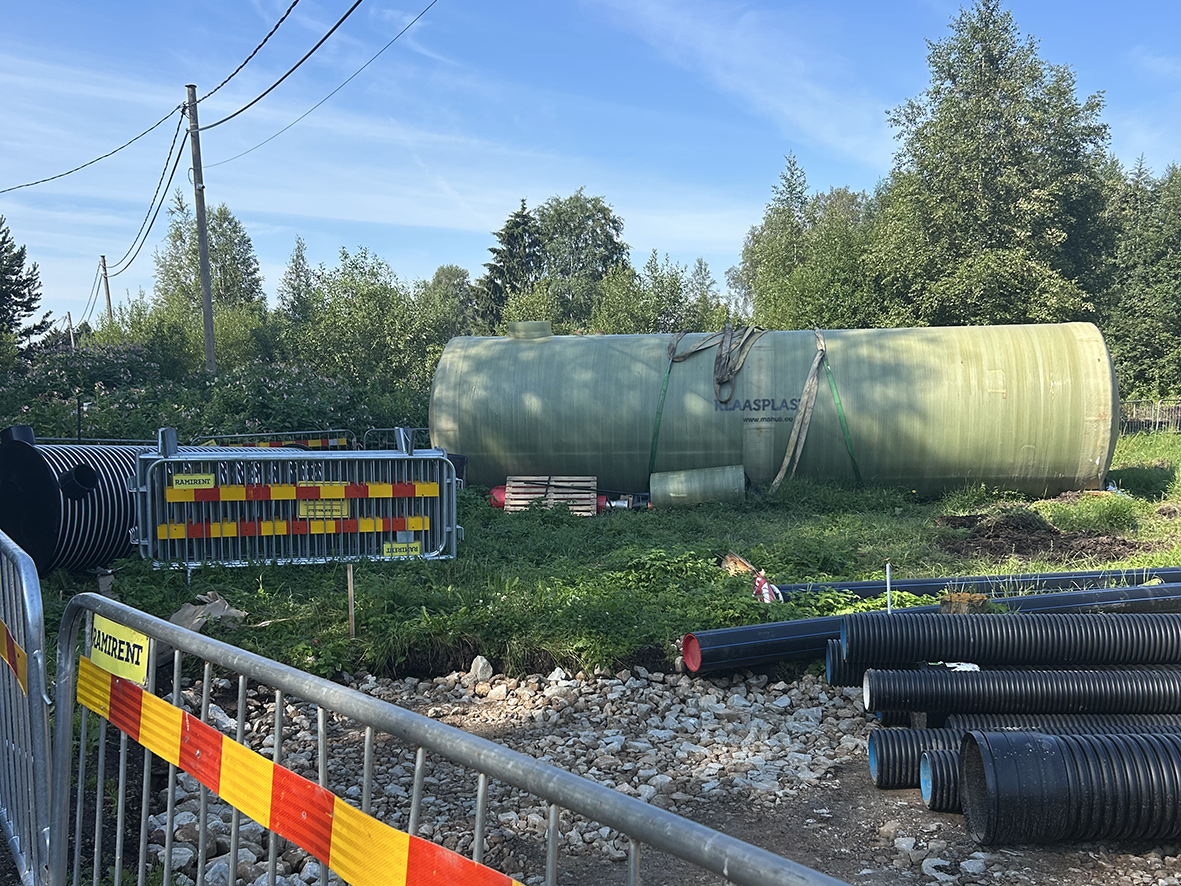
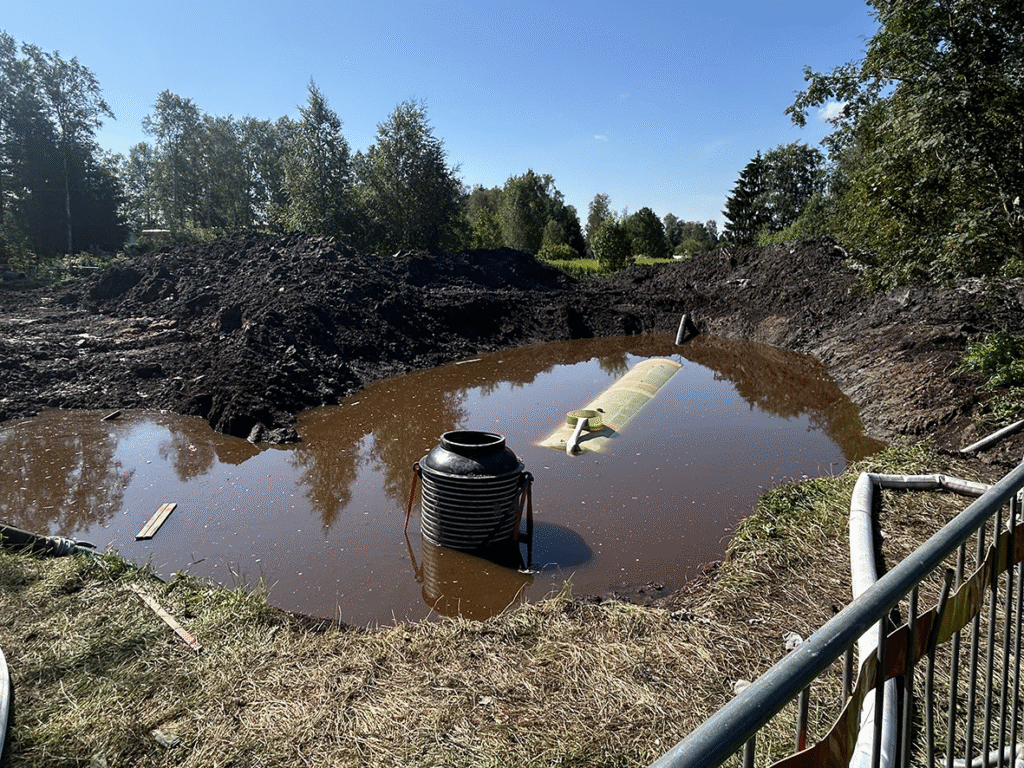
Traditionally, the excess water accumulating in the project area has been routed via the main land improvement system of the region—the Kudruküla stream—into the Narva River. However, the pilot solution allows part of this stormwater and groundwater to be used to fill a fire-fighting water tank. According to the prepared design, a multifunctional drainage system will be built which, while simultaneously serving as a drainage facility for the surrounding area, will enable the water tank to be filled with stormwater and groundwater. Before being directed into the tank, the water will be naturally purified (the pond and its vegetation will function as a nature-based filter). The pond will be filled both by groundwater and via a culvert from the Kudruküla stream. Water from the pond will then be directed into the fire-fighting water tank, which is connected to an unpressurised hydrant. Once the tank is full, excess water will be drained back into the Kudruküla stream via an overflow.
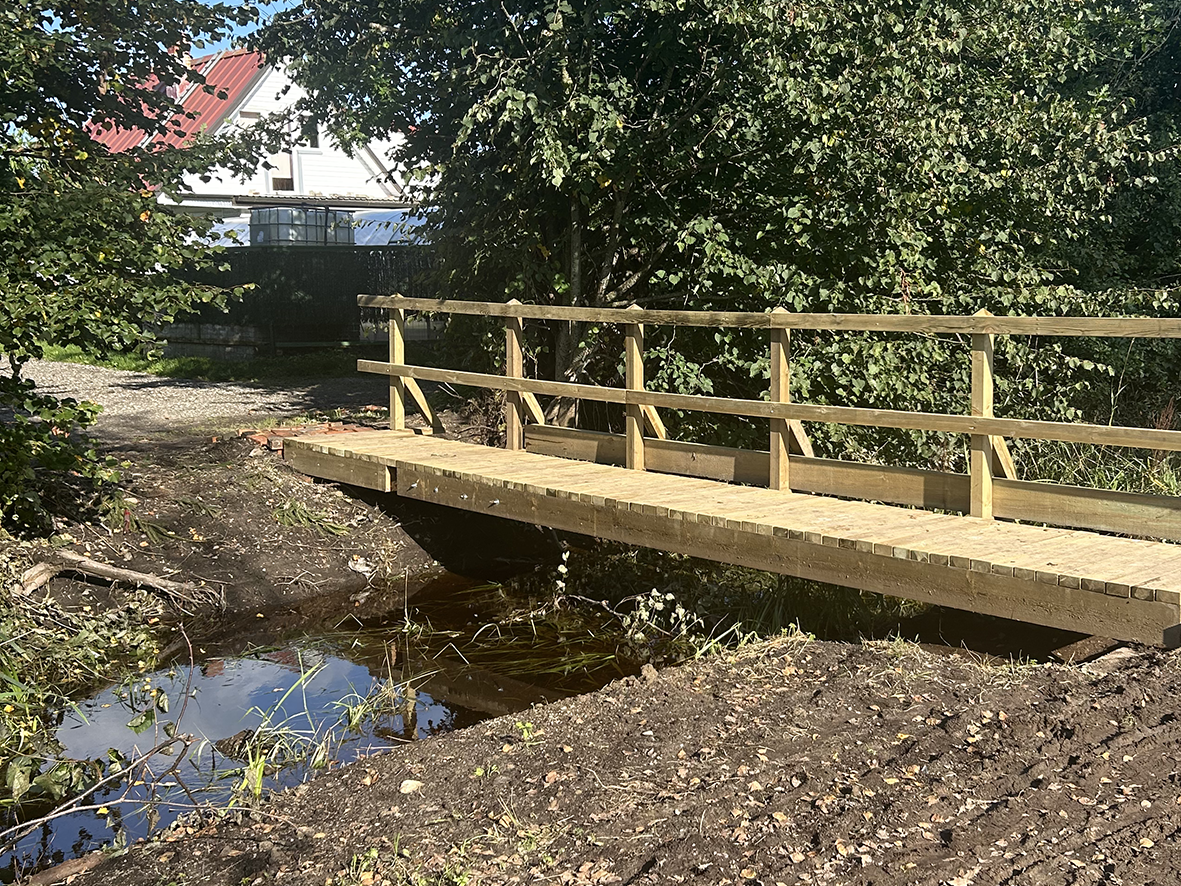
In addition to the system itself (culverts, pond, tank, hydrant), an access road necessary for servicing and using the hydrant will be built, as well as a pedestrian bridge over the existing drainage ditch, enabling firefighters to lay hose lines to the neighbouring gardening association.
By now, the majority of the works have been completed. Due to the unexpectedly rainy summer of 2025, the high groundwater levels made it nearly impossible at times to perform the works planned in the project. As a result, completion has been postponed until autumn and the following spring, including the final activities—system testing, commissioning, and final site restoration. So far, the project has remained within the planned budget, and no part of it has had to be abandoned. In addition to the final system tests, a monitoring period for operational performance still lies ahead.
If the project is successful, the city intends to promote the use of the pilot solution in other gardening association areas suffering from similar problems.
Construction Project Materials:
Contact person:
Jelena Molodtsova, Senior Specialist for Environmental Impact Assessment, Narva City Government Architecture and Urban Planning Department: jelena.molodtsova@narva.ee