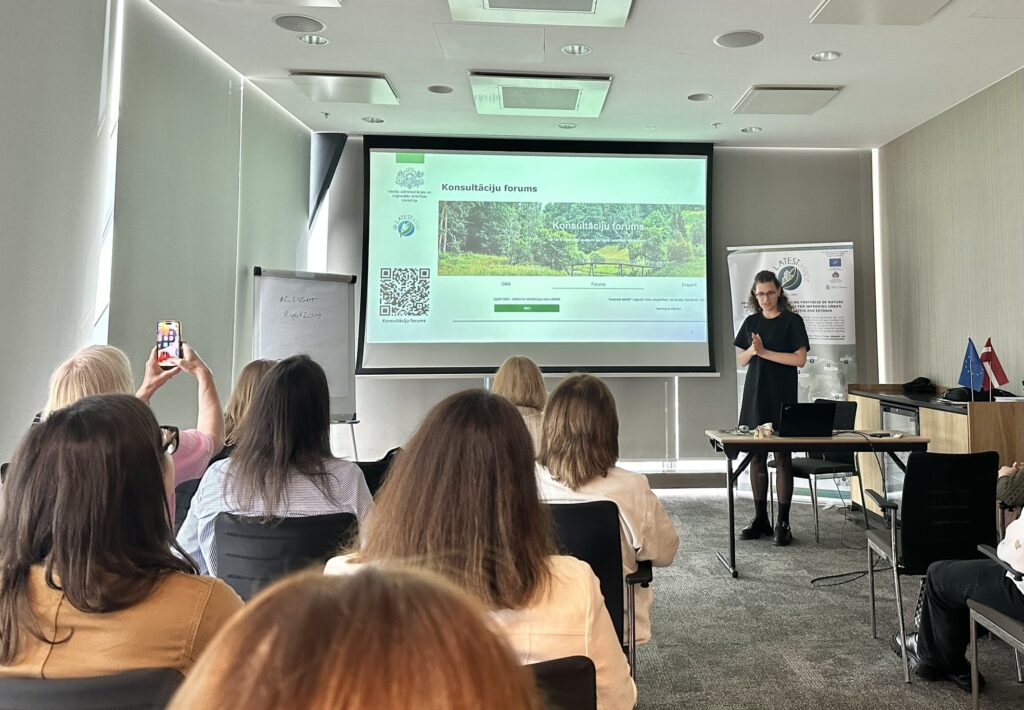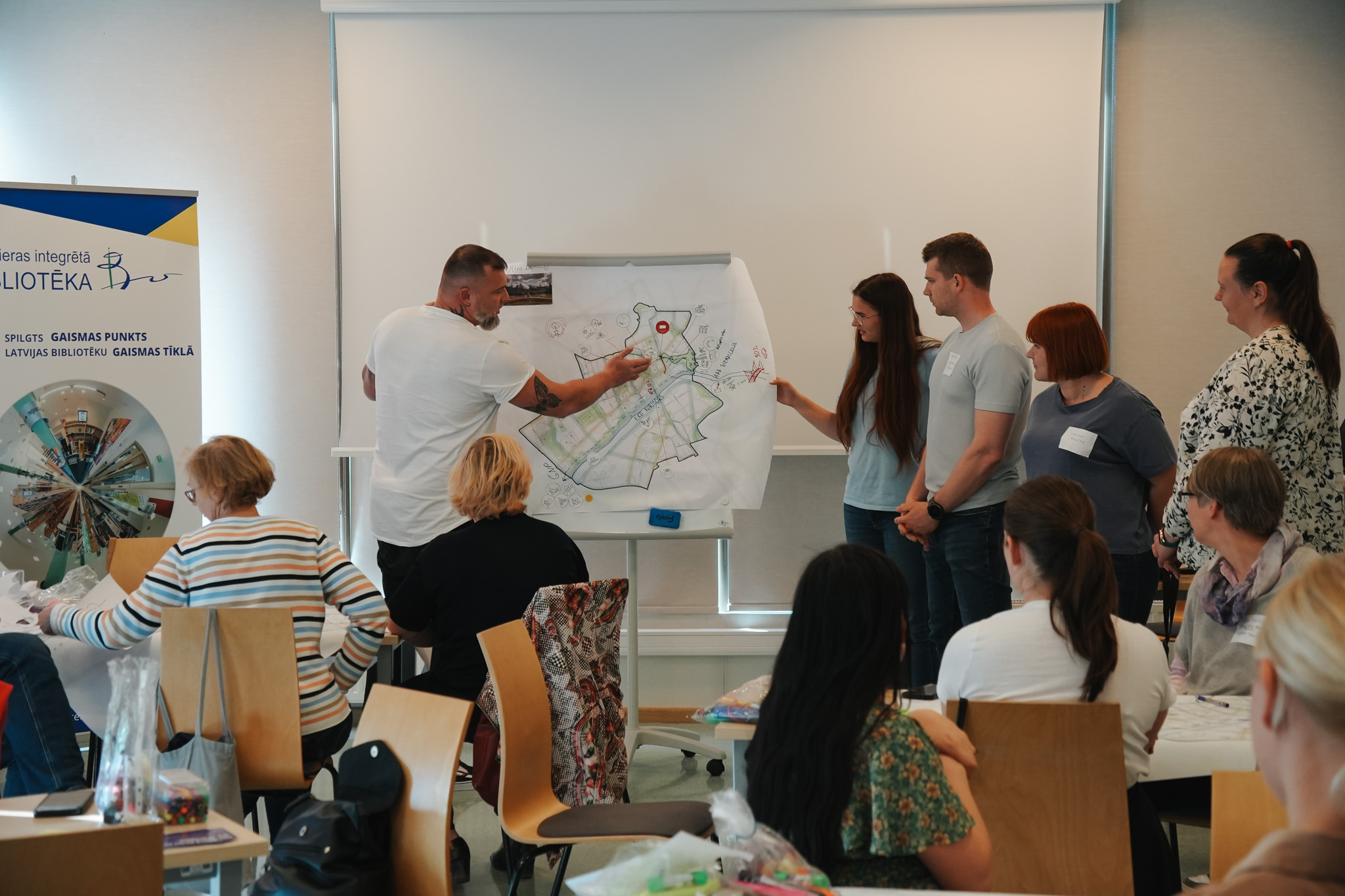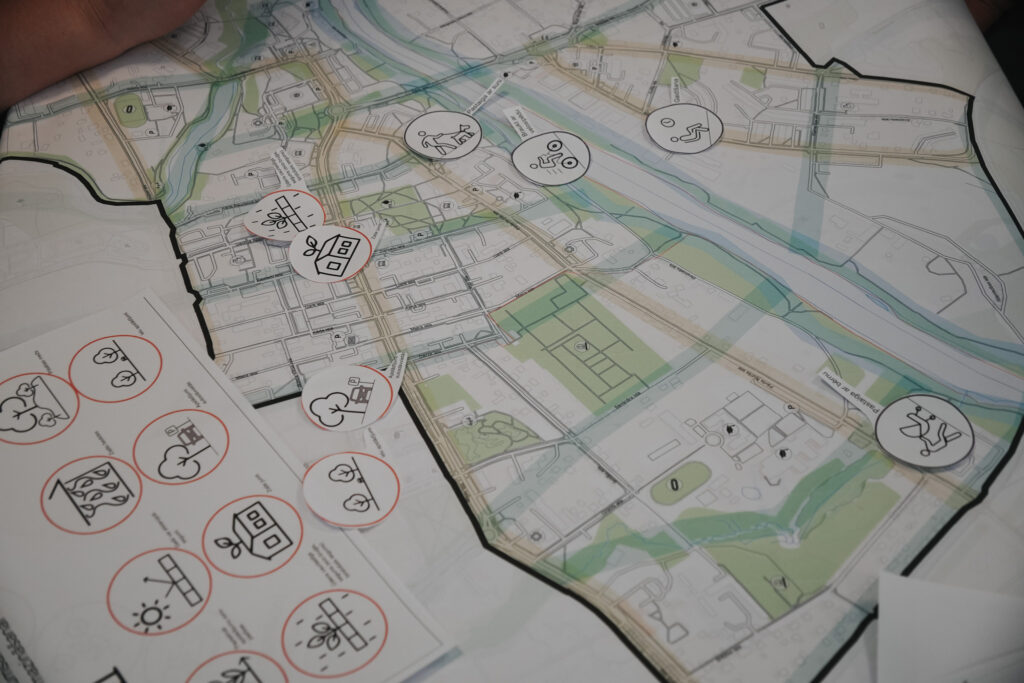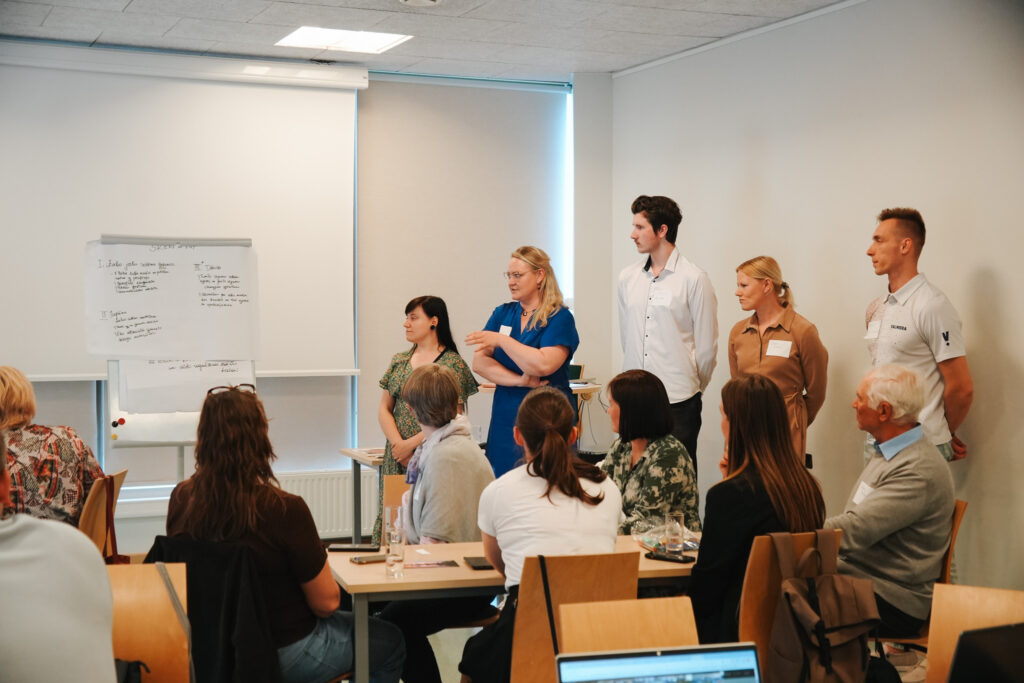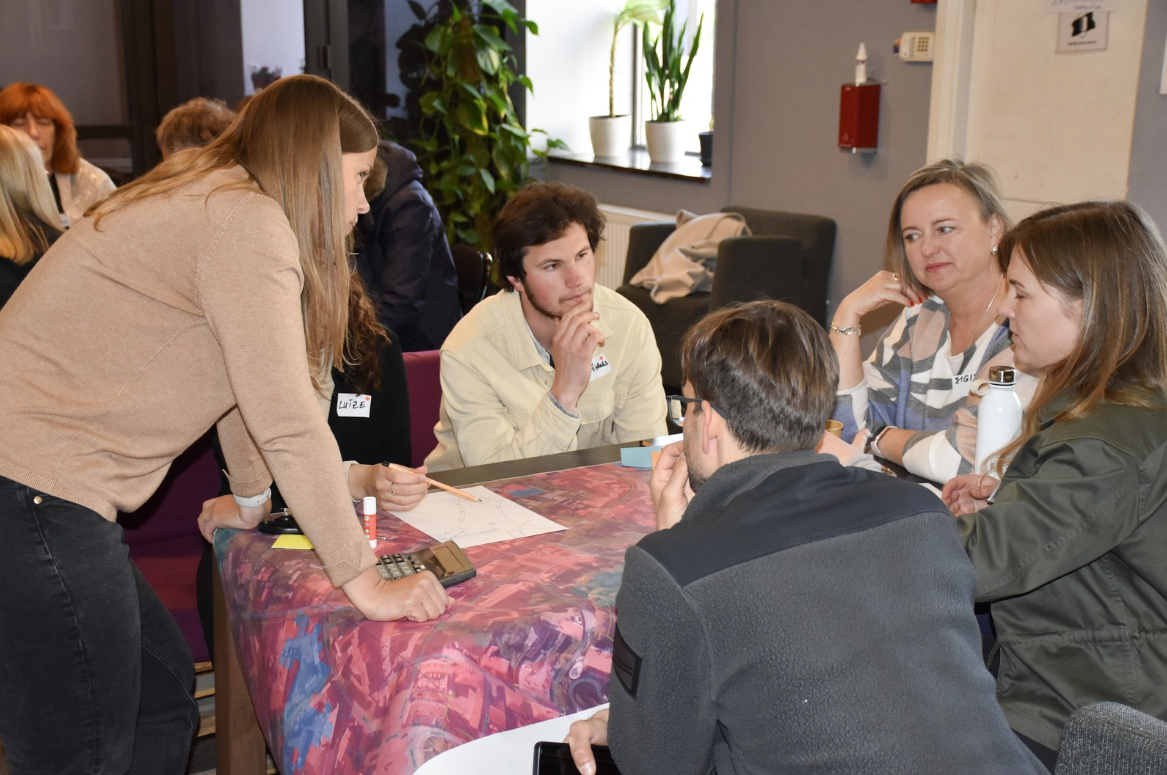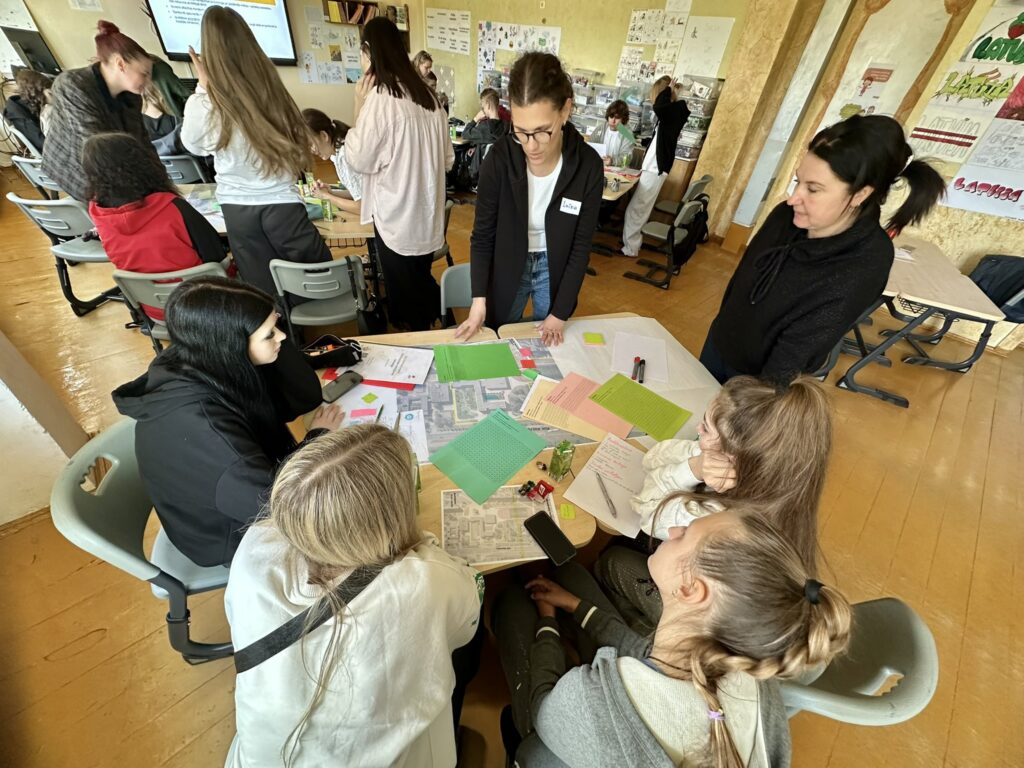
On June 5-6, more than 60 experts from various municipalities, ministries and other sectors gathered at a seminar entitled “Planning nature-based solutions for climate resilience – from local to regional level”.
The aim of the seminar was to promote the exchange of knowledge on the planning and implementation of nature-based solutions (NBS) – from the development of urban green infrastructure to regional climate resilience.
The effects of climate change – increasing flood risk, extreme weather conditions and heat waves – particularly affect the urban environment. To ensure a sustainable and safe living environment in the future, it is essential to develop solutions that both protect people and strengthen nature’s ability to regulate itself. This is where nature-based solutions play a key role – they use natural processes such as rainwater absorption or the cooling effect of green areas.
On the first day of the seminar, participants learned about good practice examples and approaches from the LATESTadapt and IMPETUS projects, the experience of Riga, Valmiera and Cēsis in developing green infrastructure, as well as climate change adaptation measures at the regional level, learning about the plans of the Zemgale planning region.
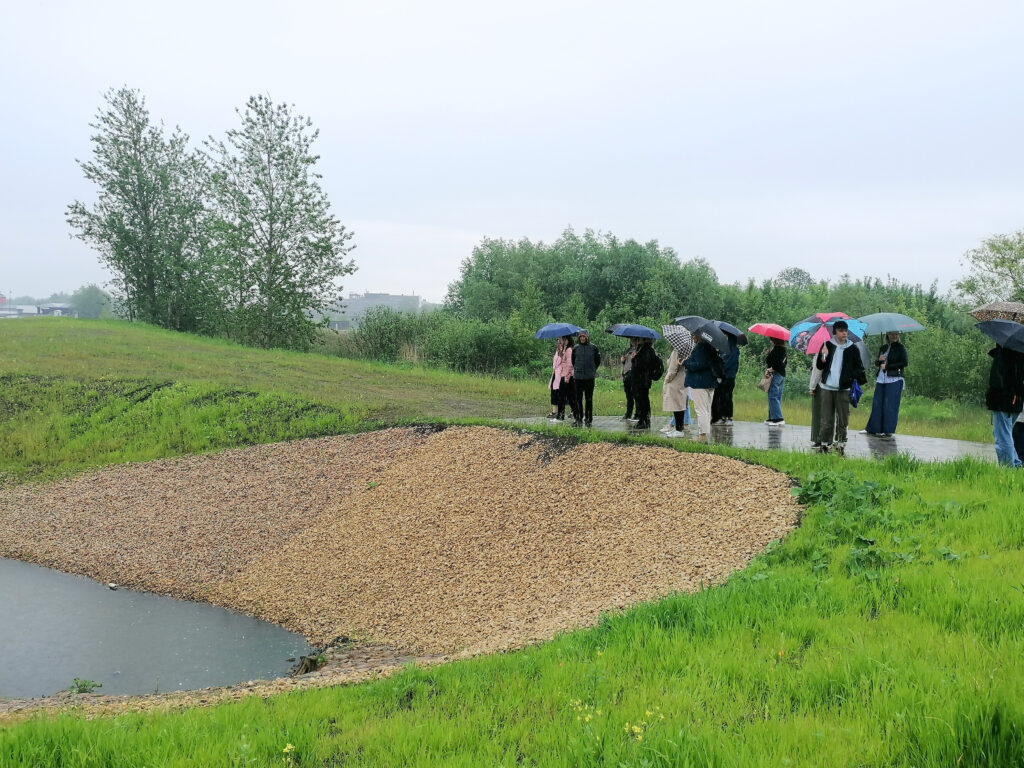
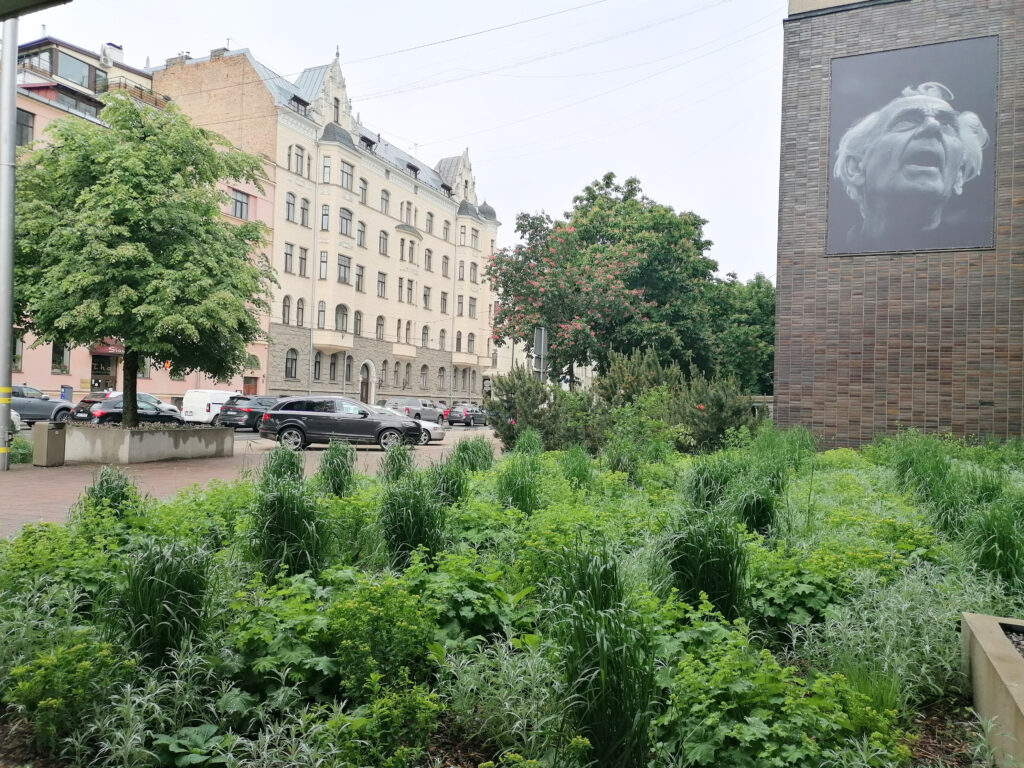
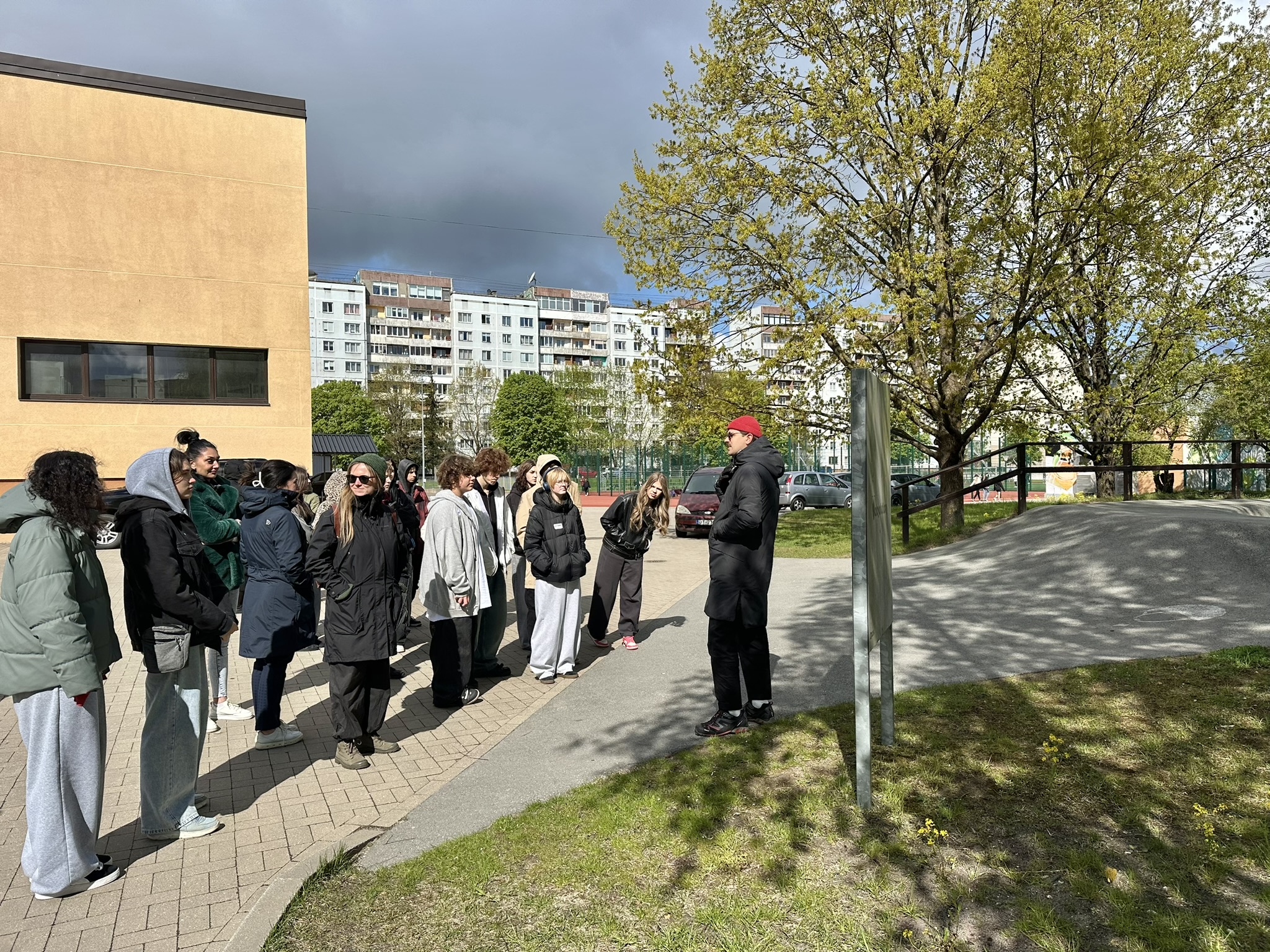
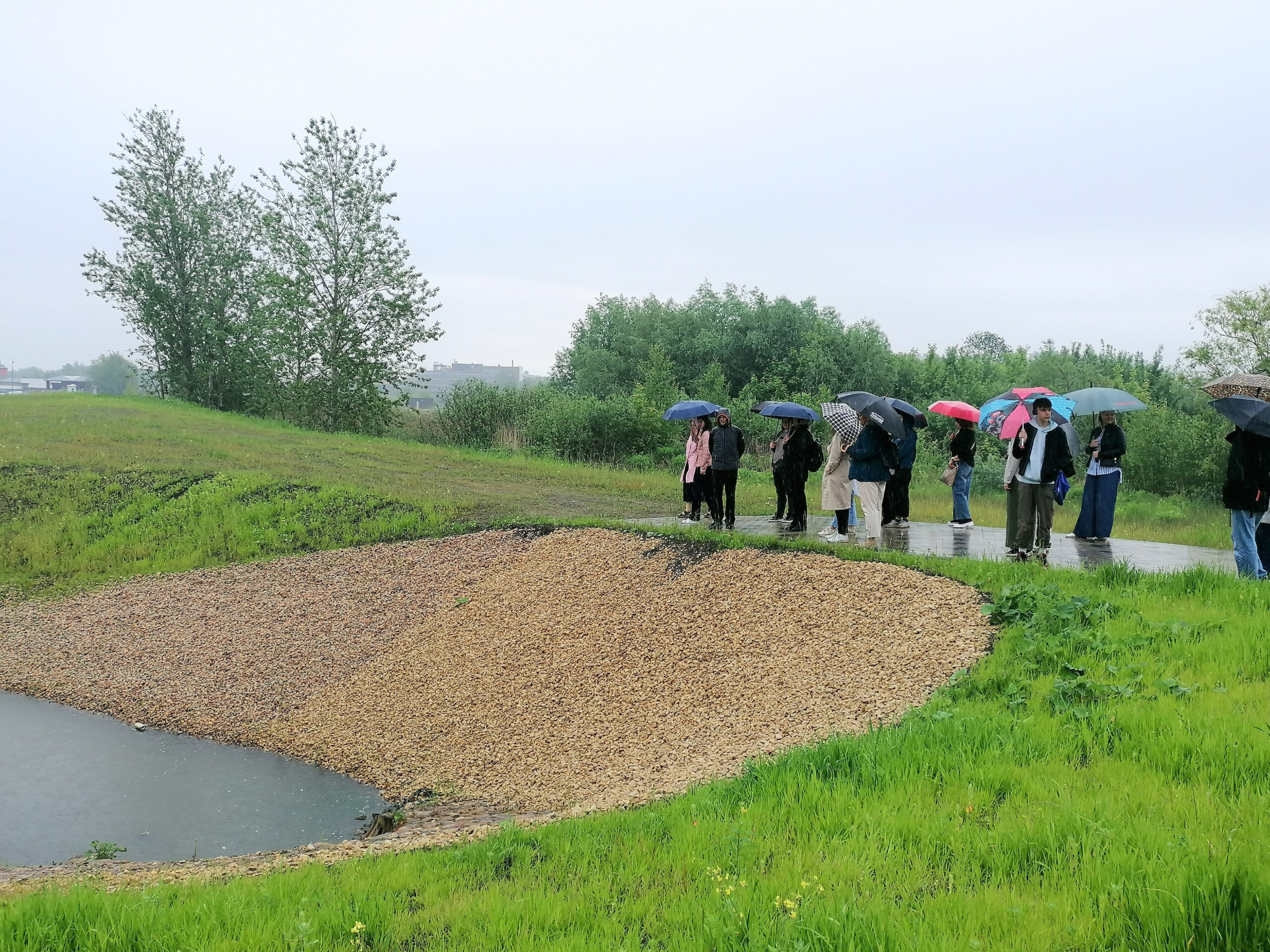
On the second day of the seminar, a joint study trip was organized, where we were delighted to see how many and how varied DBRs have already been implemented in Riga in both the private and public sectors, for example, as the best option in a city where, due to various circumstances, it is not possible to connect to the city’s rainwater drainage system. What we saw in several neighborhoods of Riga reinforced our conviction that nature-based solutions are not just “green thinking” — they are practical, sustainable, and forward-looking measures that help adapt to climate challenges while improving quality of life.
More information is available on the Baltic Environmental Forum website
The seminar was organized by the Baltic Environmental Forum in implementation of the following projects:
“Dynamic information management for climate change adaptation measures in a cross-sectoral context in European regions” (IMPETUS, NR 101037084), funded by the European Union’s Horizon 2020 research and innovation program, https://climate-impetus. eu/
“Development and demonstration of a portfolio of nature-based and smart solutions for improving urban climate resilience in Latvia and Estonia” (LIFE21-CCA-EE-LIFE LATESTadapt, NR 101074438), co-financed by the European Union’s LIFE programme, the Ministry of Smart Administration and Regional Development and the Estonian Ministry of Climate https://lifelatestadapt.viimsivald.ee/lv/sakuma-lapa/
The report of the seminar is available here