Posted on

Sustainable Rainwater Management and Green Solutions in Valmiera’s Urban Environment

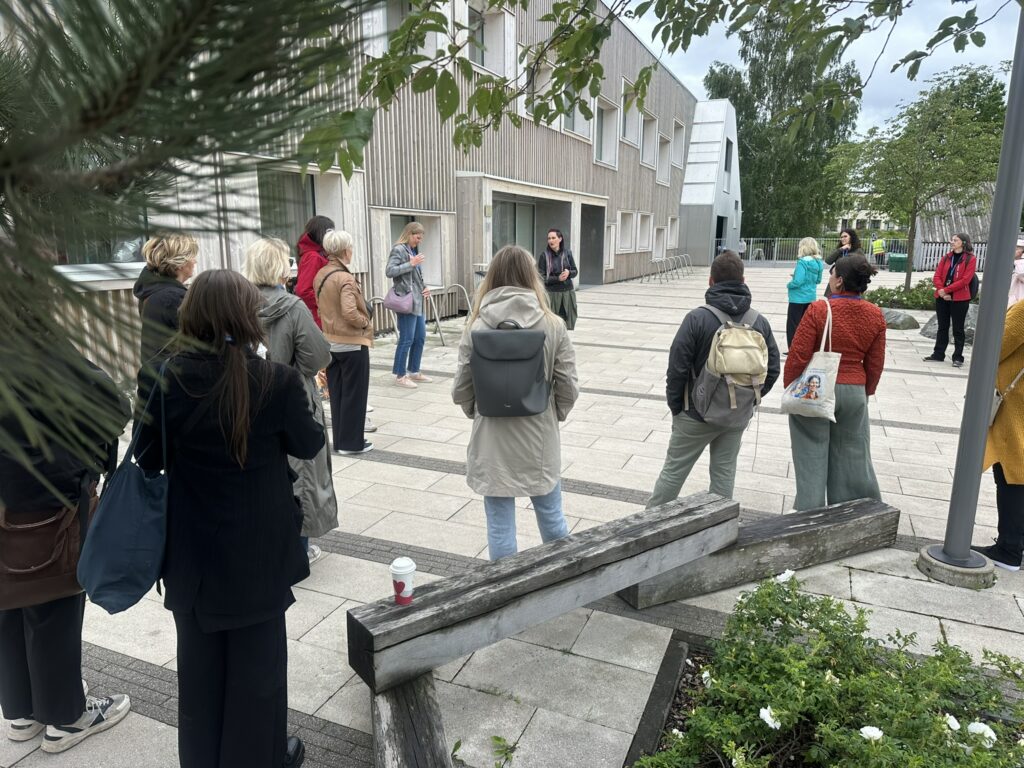
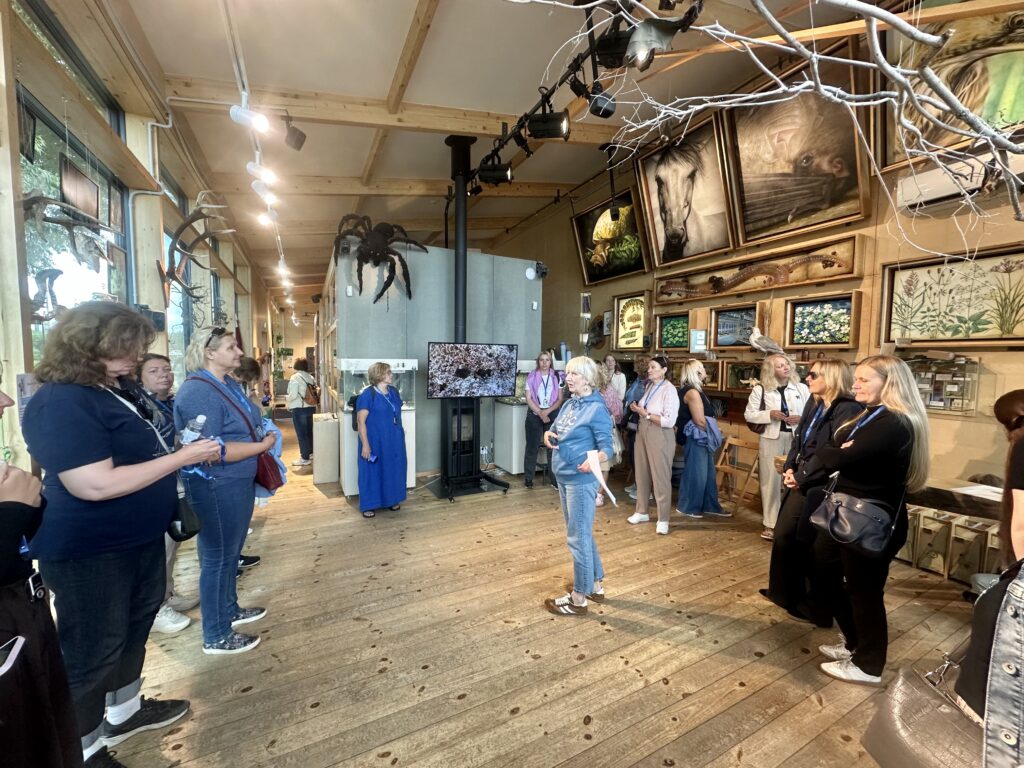
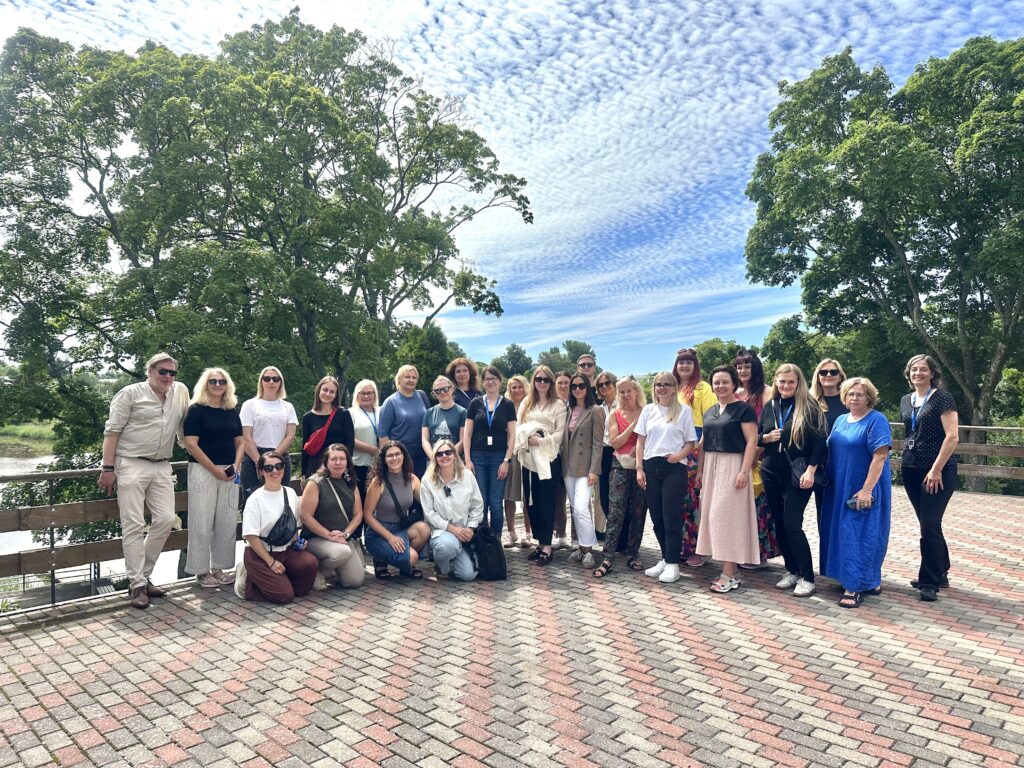
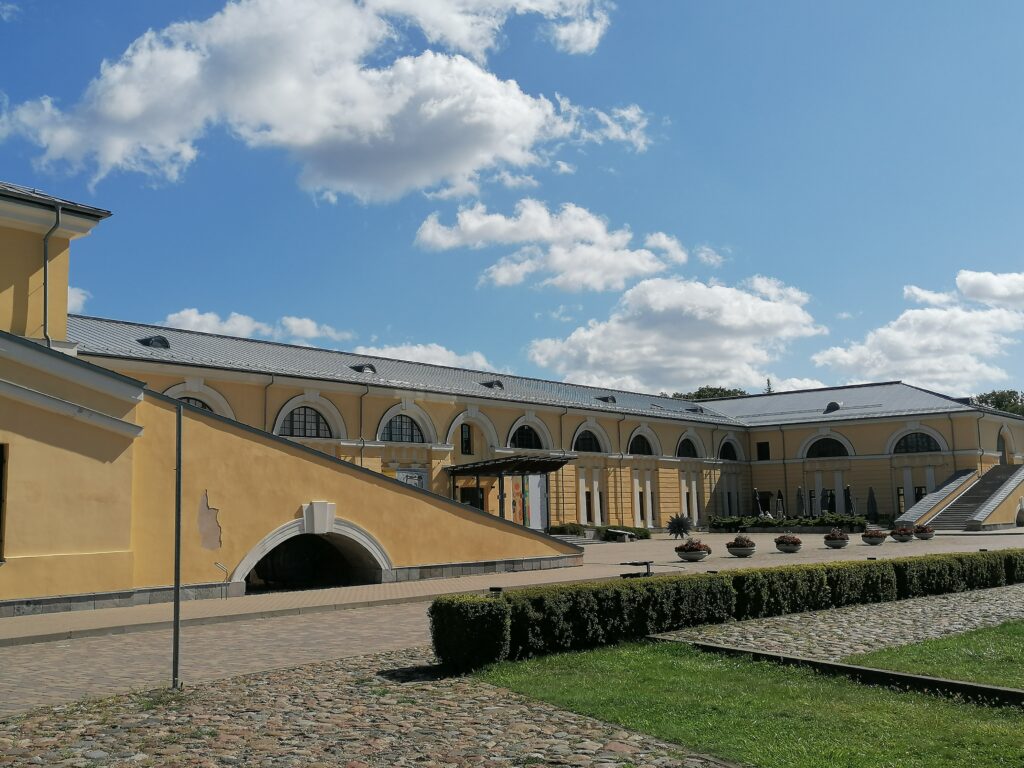
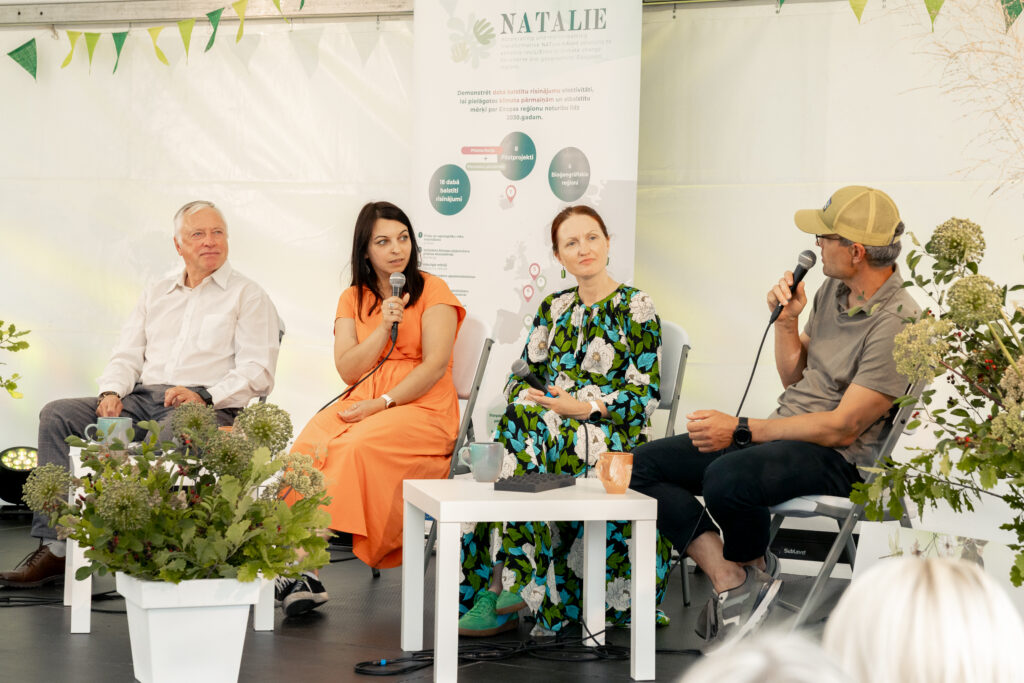
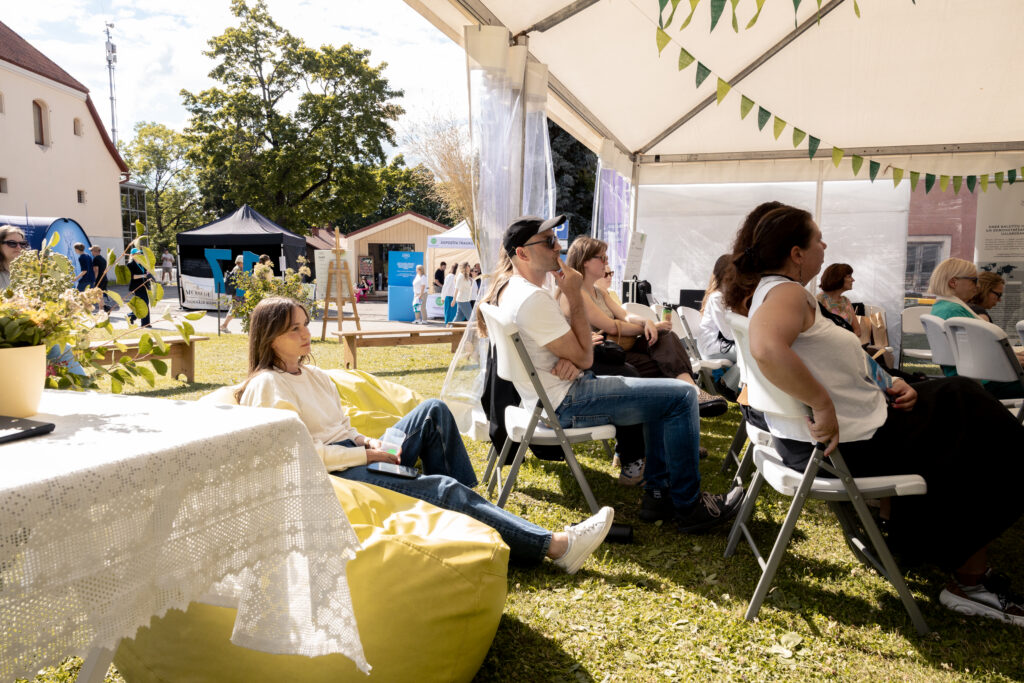
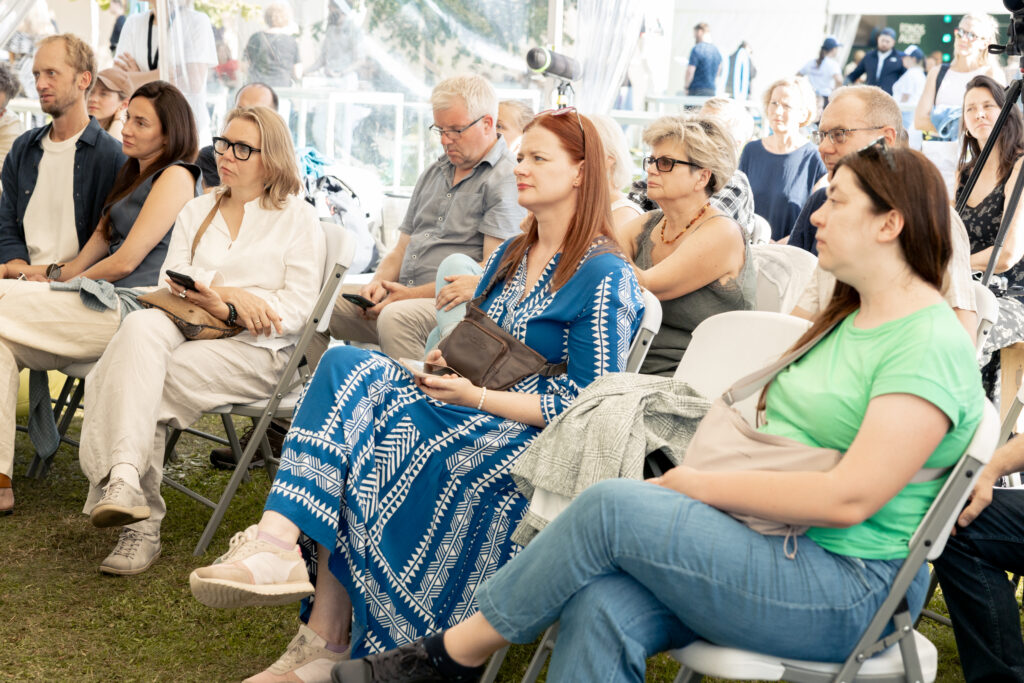
On June 9, the Valmiera Integrated Library hosted an insightful seminar titled “Sustainable Rainwater Management in the Urban Environment.” The event brought together industry experts, local residents, and stakeholders to discuss smart, sustainable, and nature-based solutions designed to help modern cities adapt to the increasingly intense rainfall and heatwaves brought on by climate change.

The seminar was organized as part of the international project “LIFE LATESTadapt,” which features participants and speakers from Latvia, Estonia, and Austria. The primary goal of the project is to develop and demonstrate a portfolio of Nature-based Solutions (NBS) to improve urban climate resilience in Latvia and Estonia.

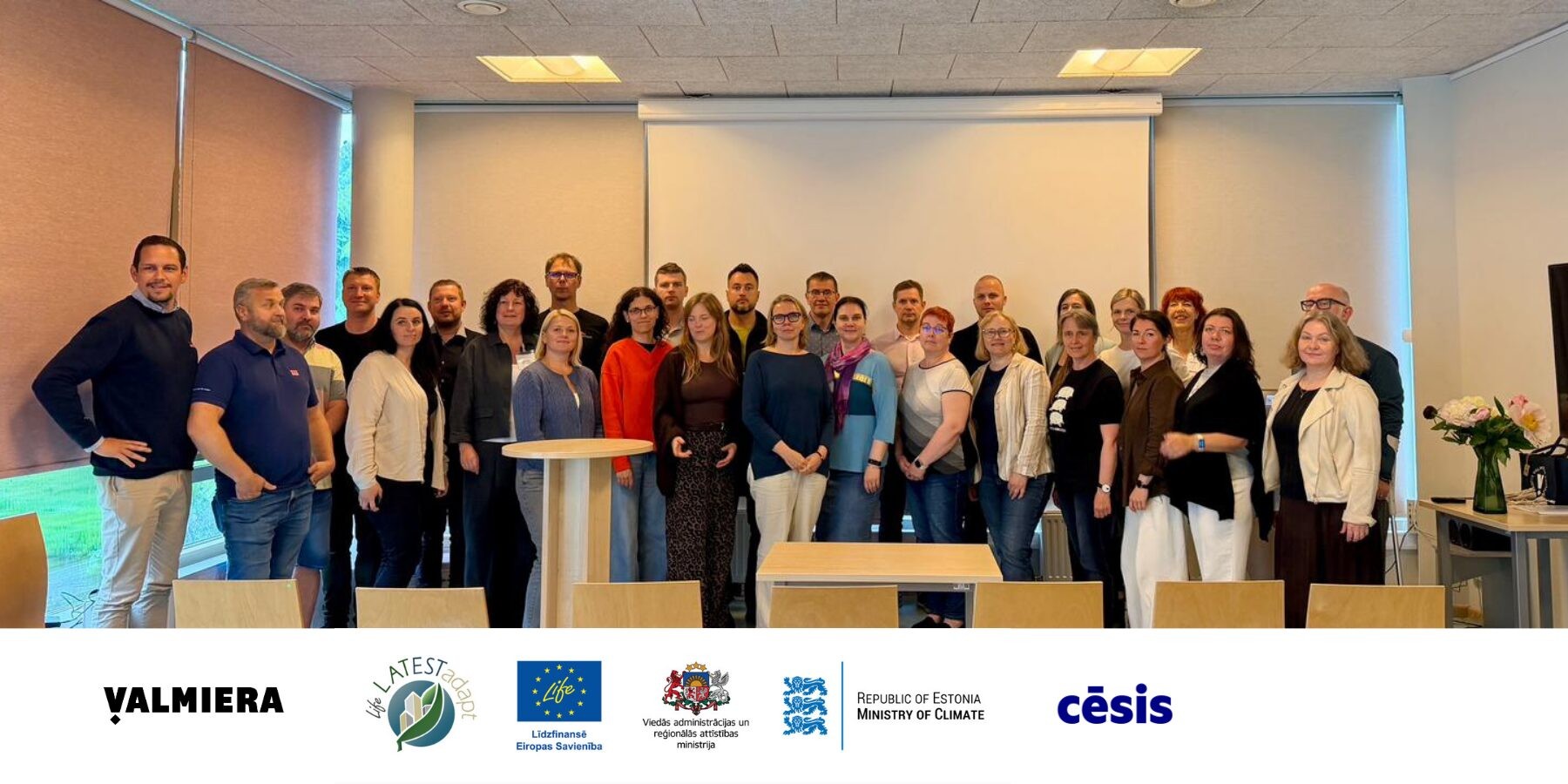
While project partners spent the morning in working session reviewing progress and planning next steps, the afternoon session at Cēsu iela 4 was fully open to the public, focusing on community awareness and practical experience exchange.

International experience and green infrastructure

During the afternoon’s theoretical session, guest expert Christopher Peiritsch from the “ACO Group” (Austria) shared his international expertise. Attendees were introduced to practical examples of how cities can effectively absorb and manage rainwater using green infrastructure.

The expert emphasized that these solutions offer a double benefit:

  • Infrastructure Relief: They significantly reduce the load on centralized urban sewage systems during heavy downpours.
  • Environmental Improvement: They enhance the local microclimate and actively promote urban biodiversity.

Practical insights at the Valmiera demonstration site

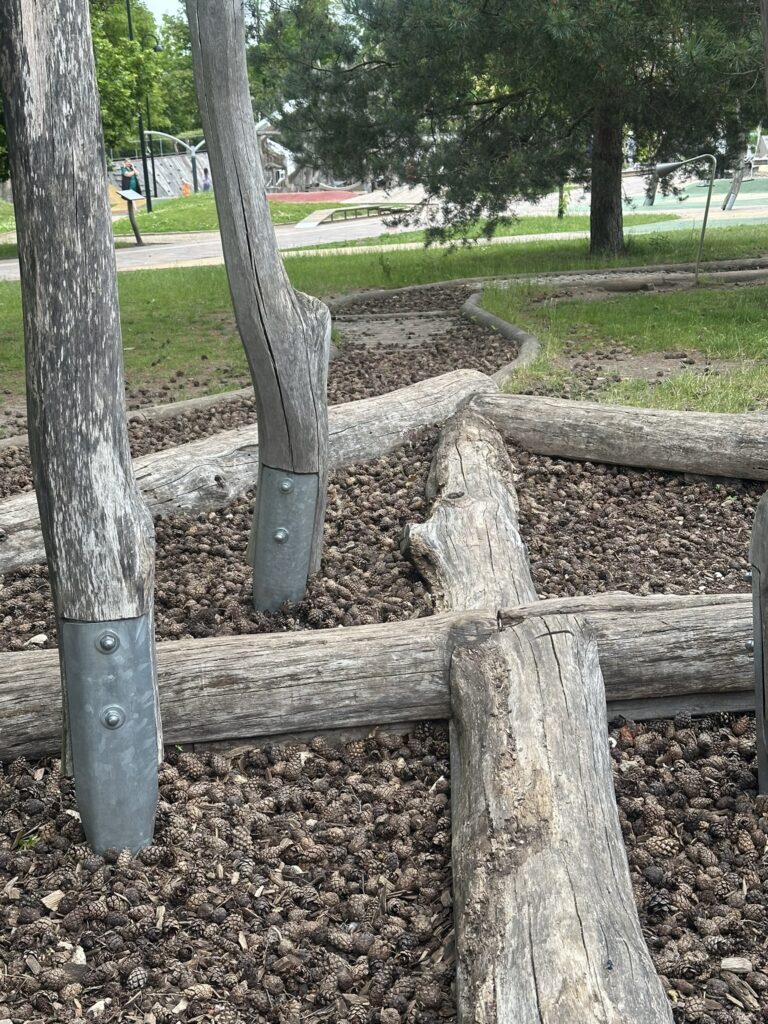
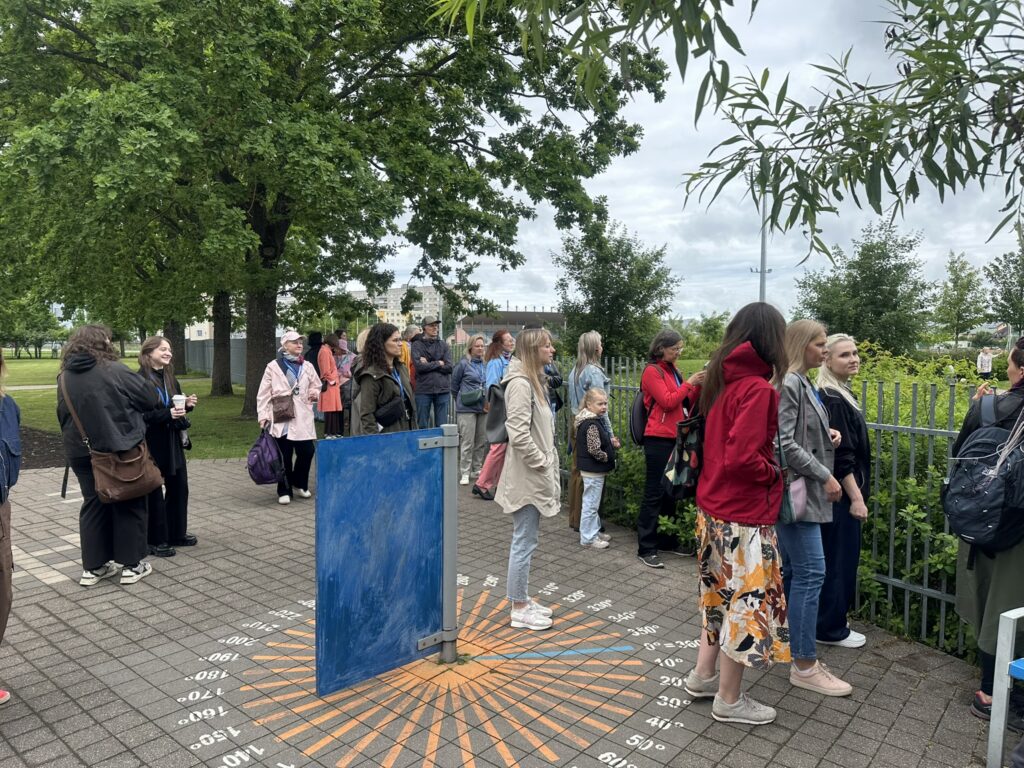
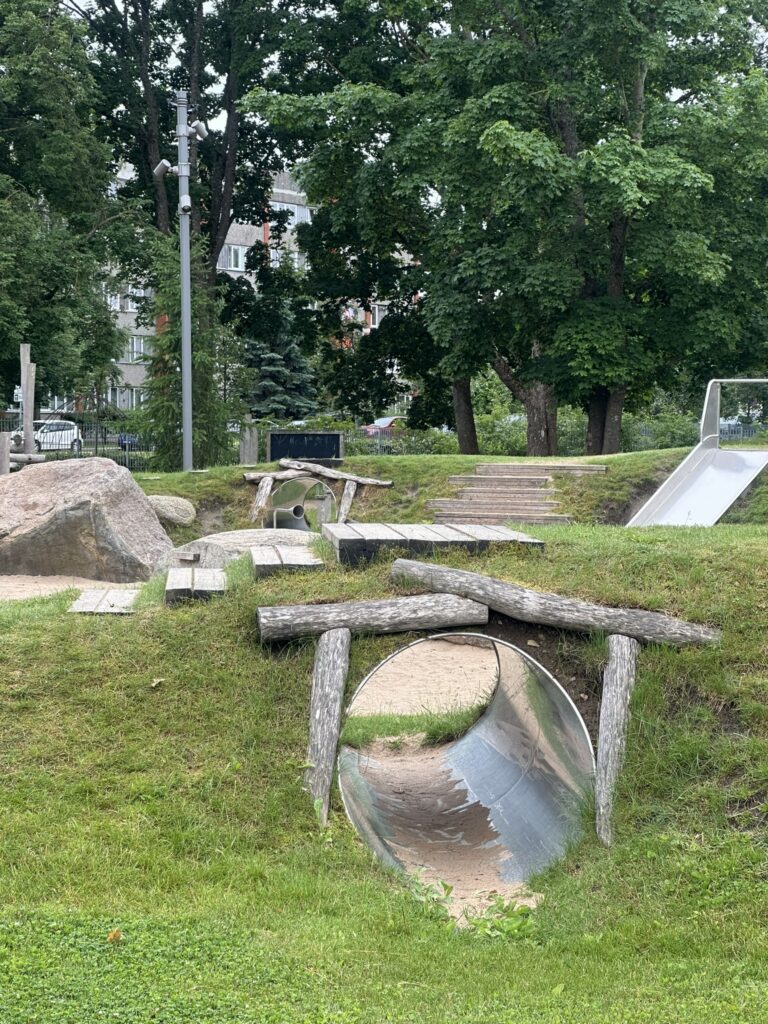
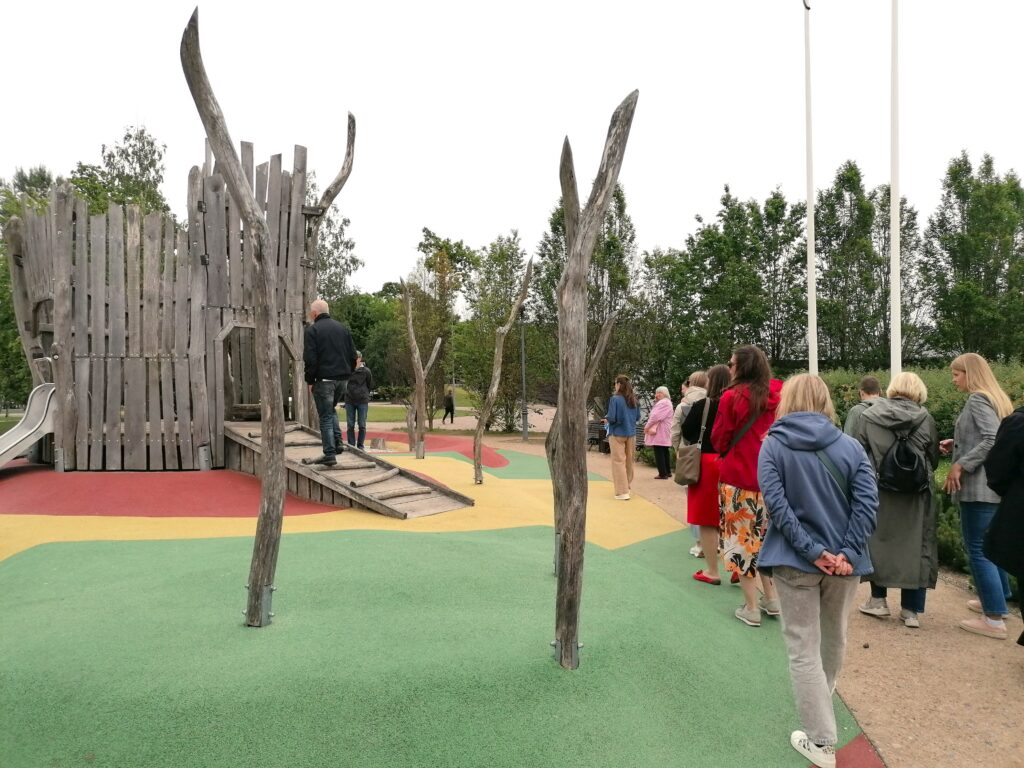
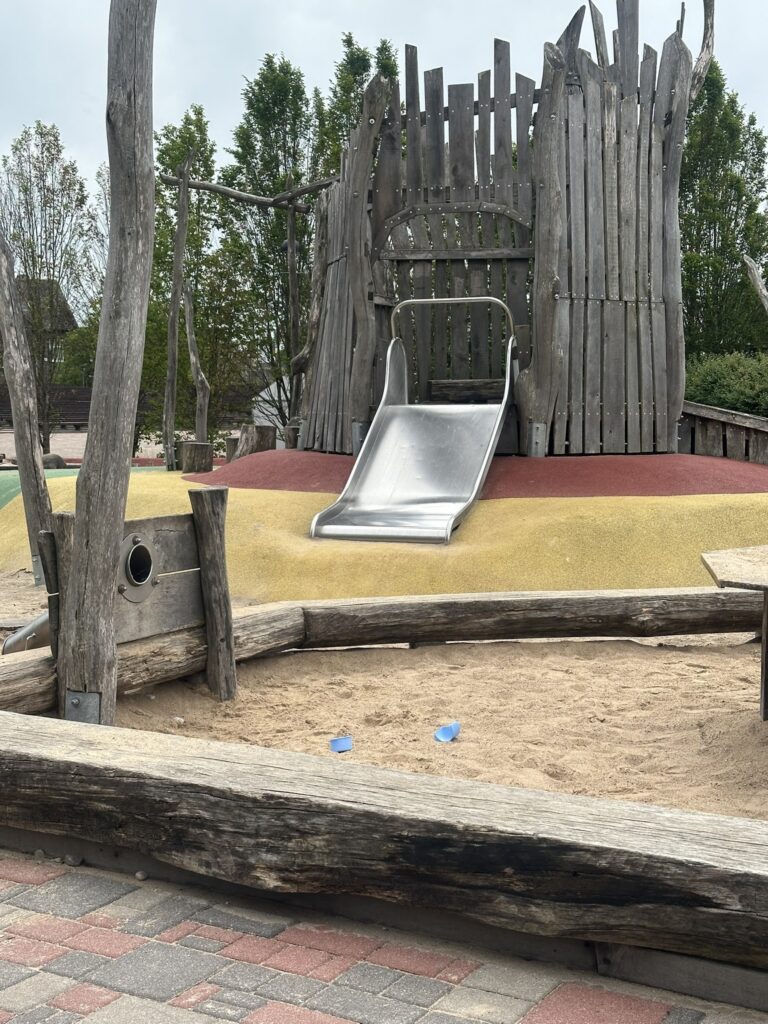
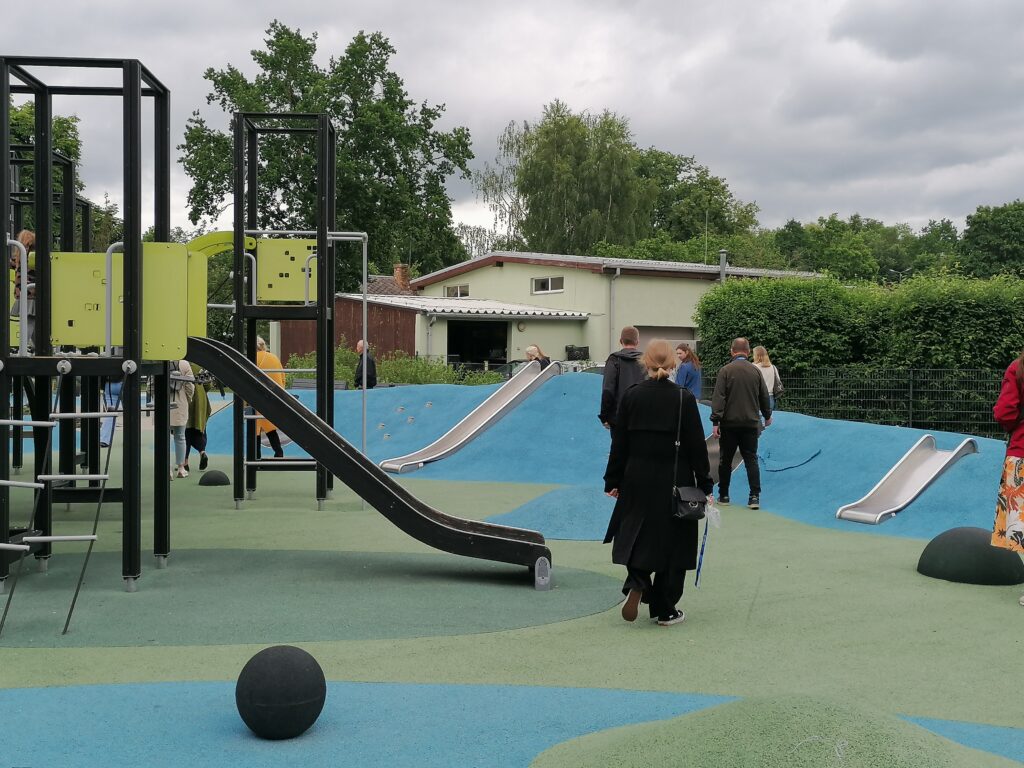
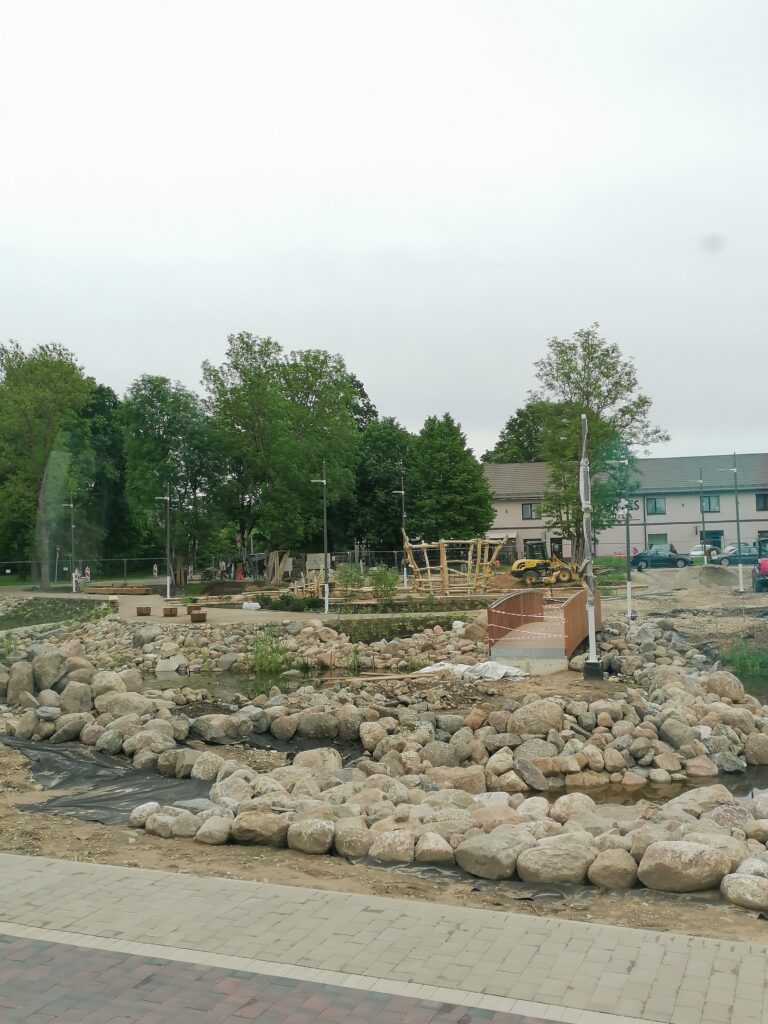
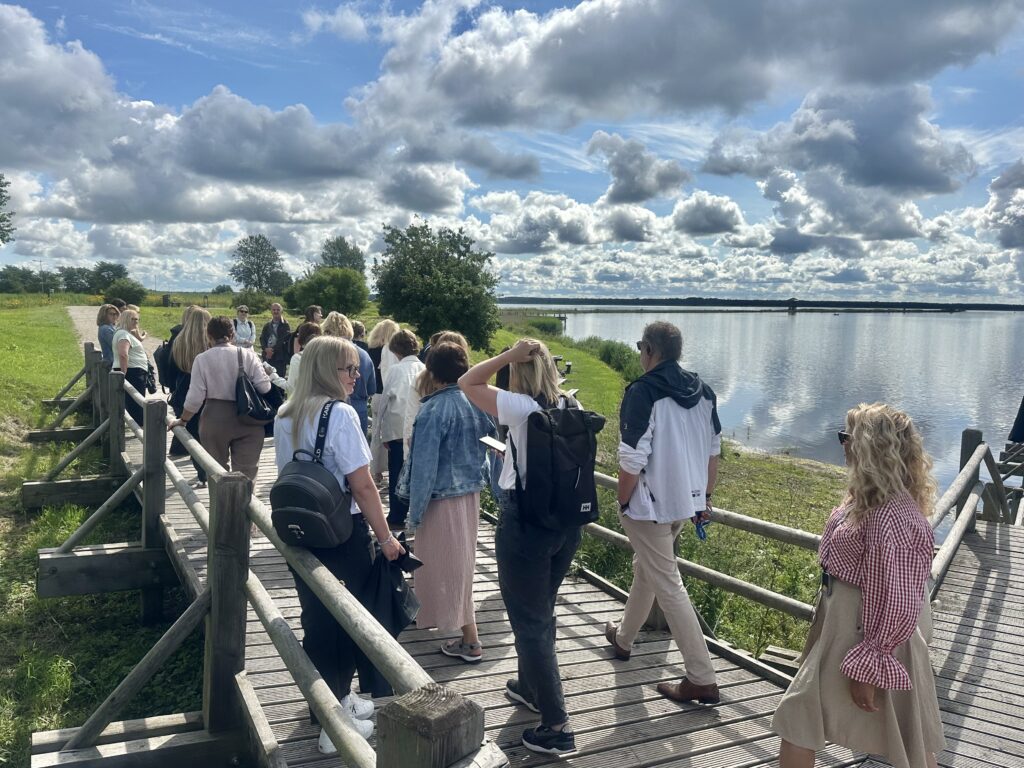
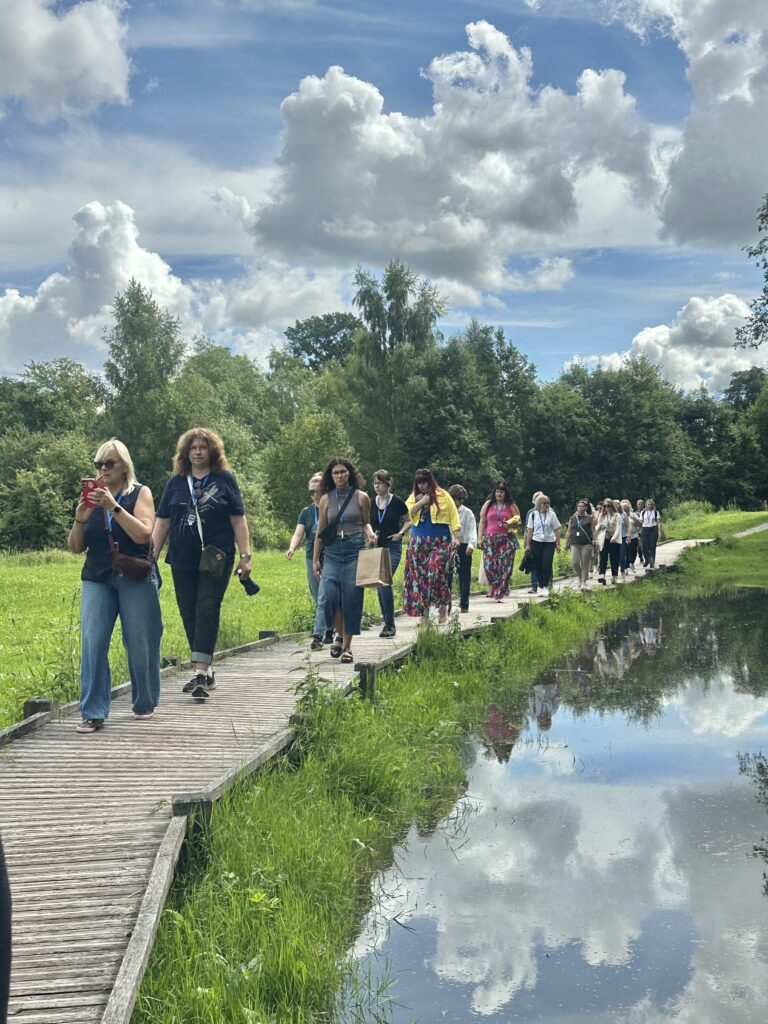
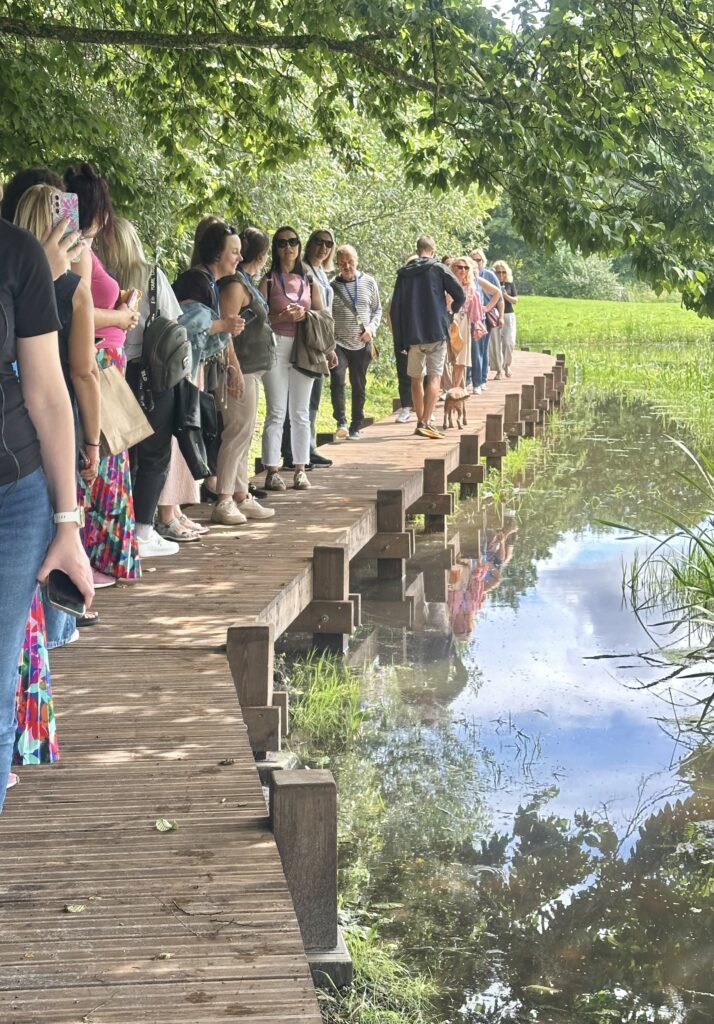
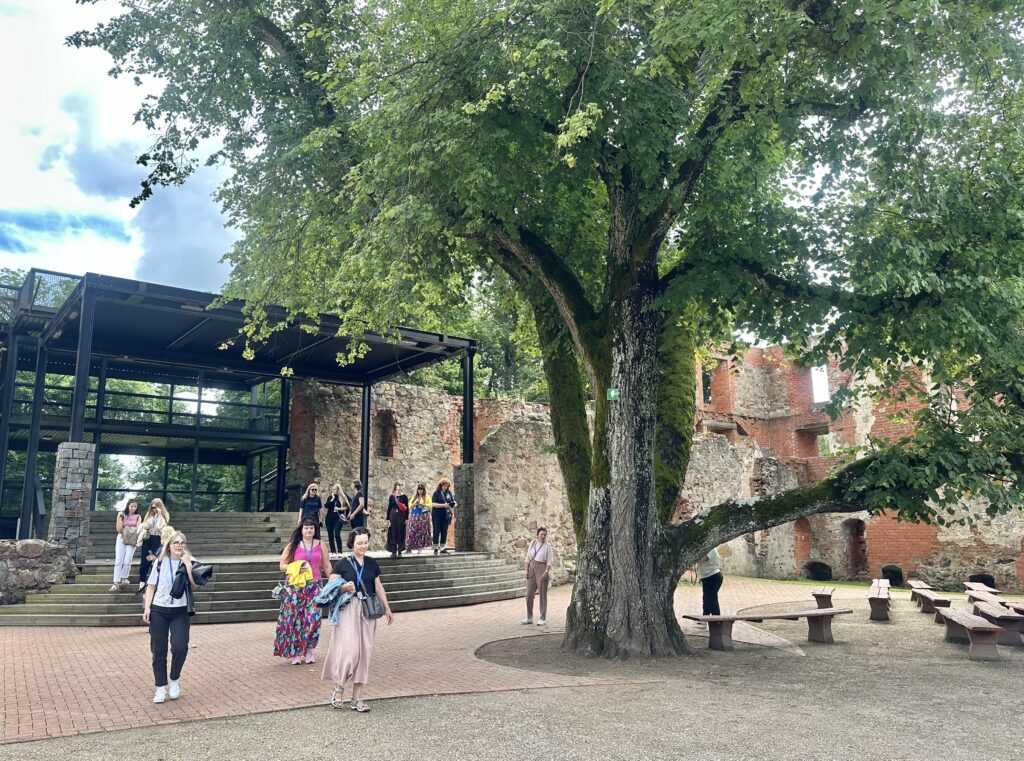
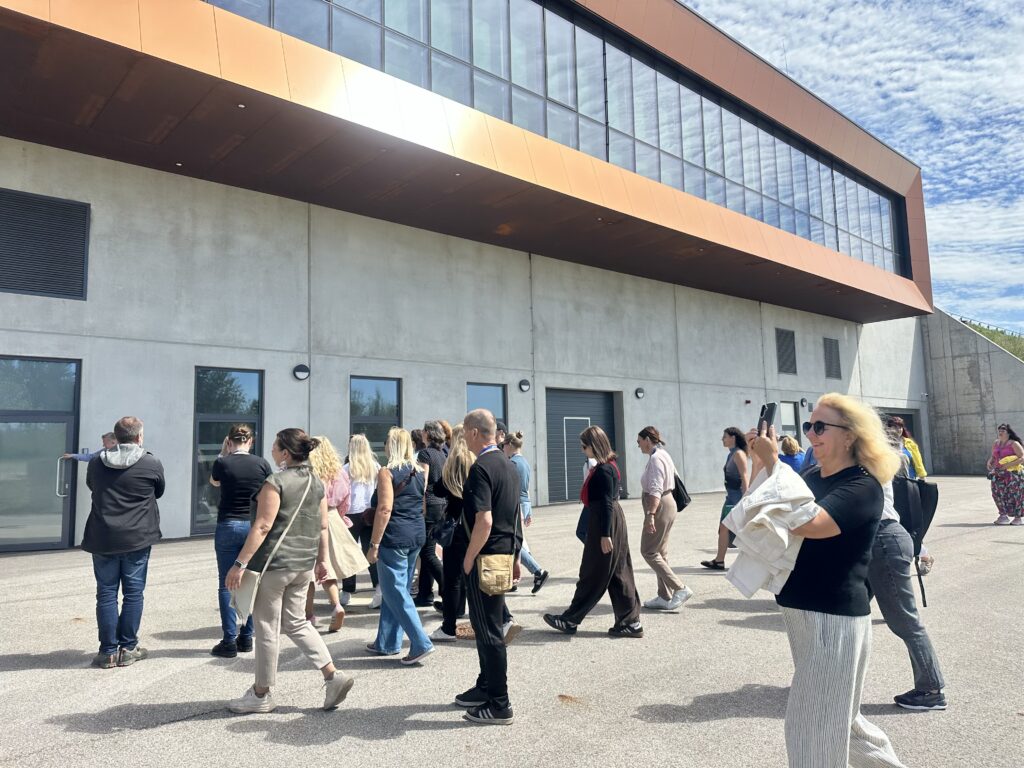
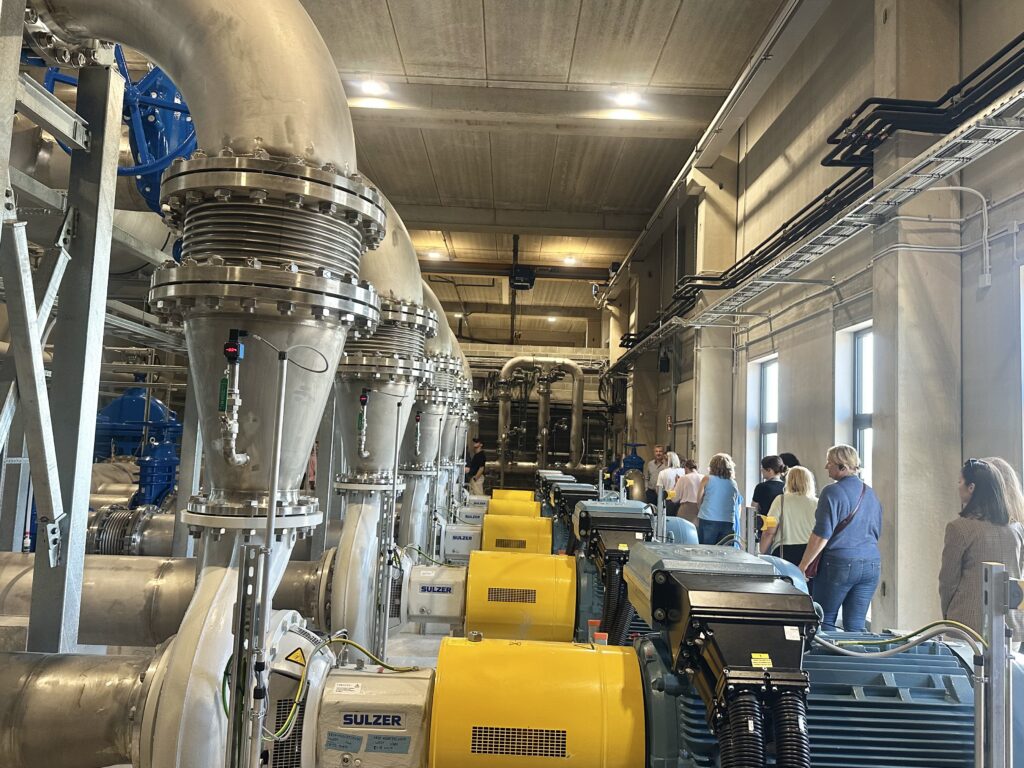
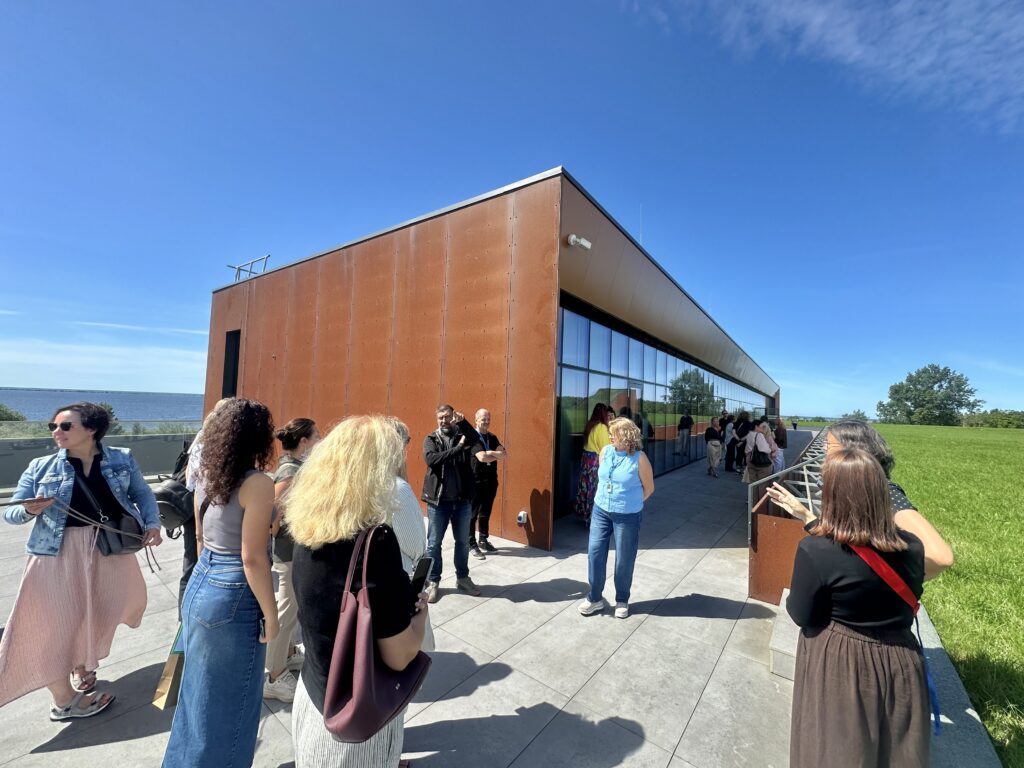
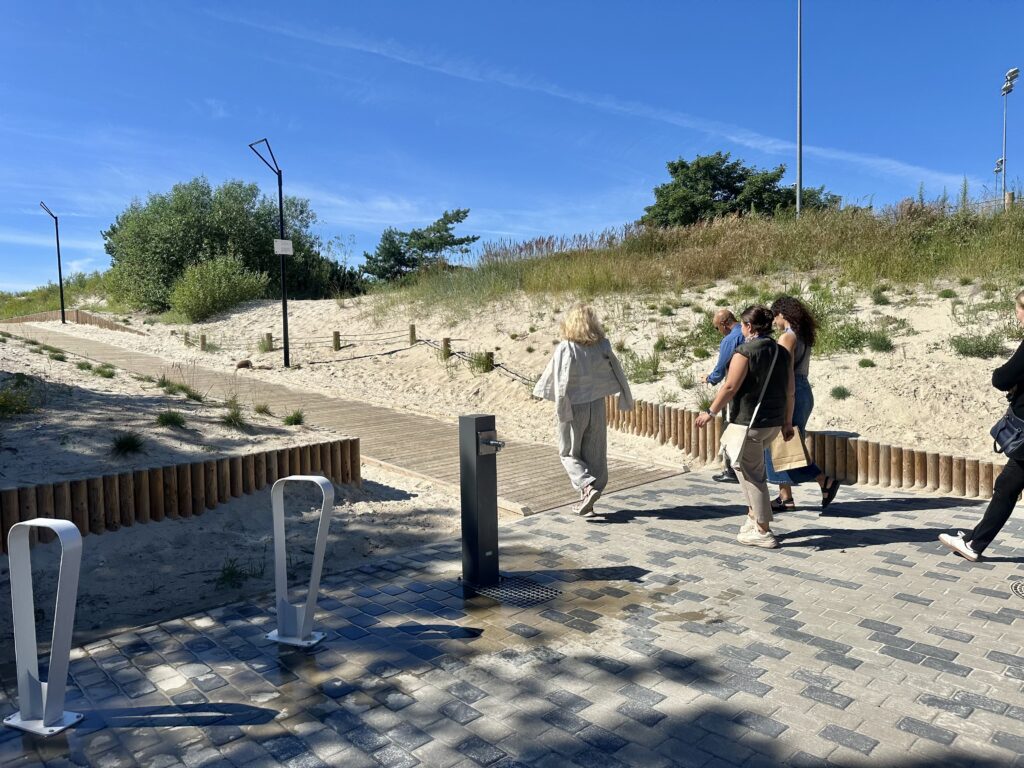
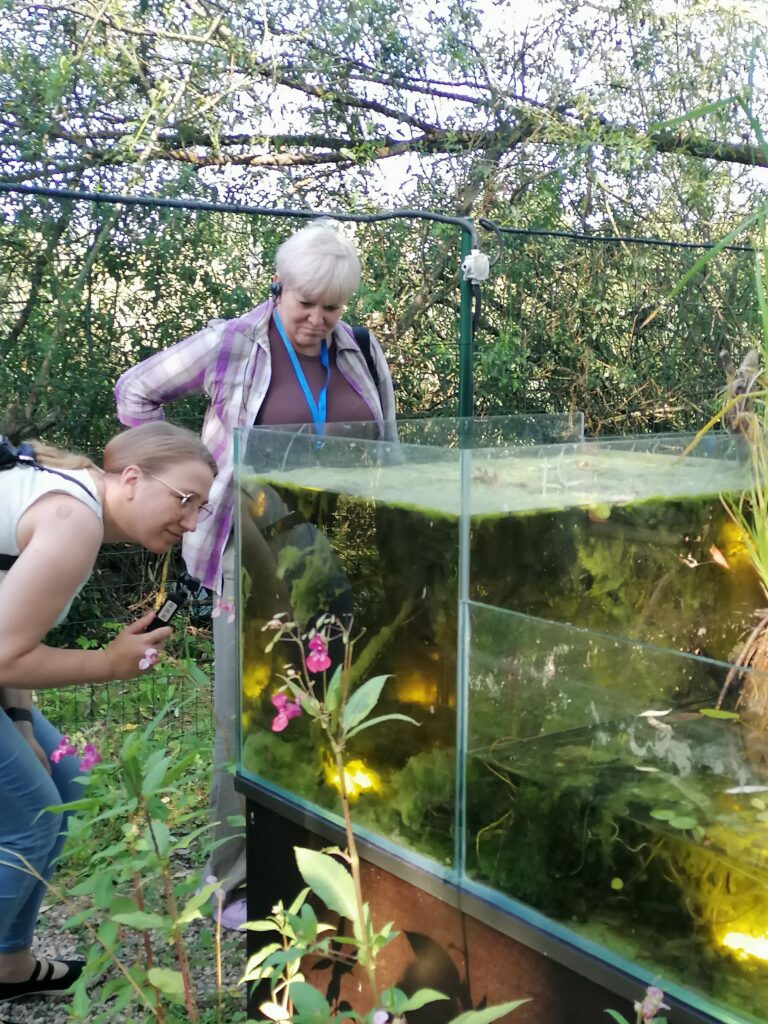
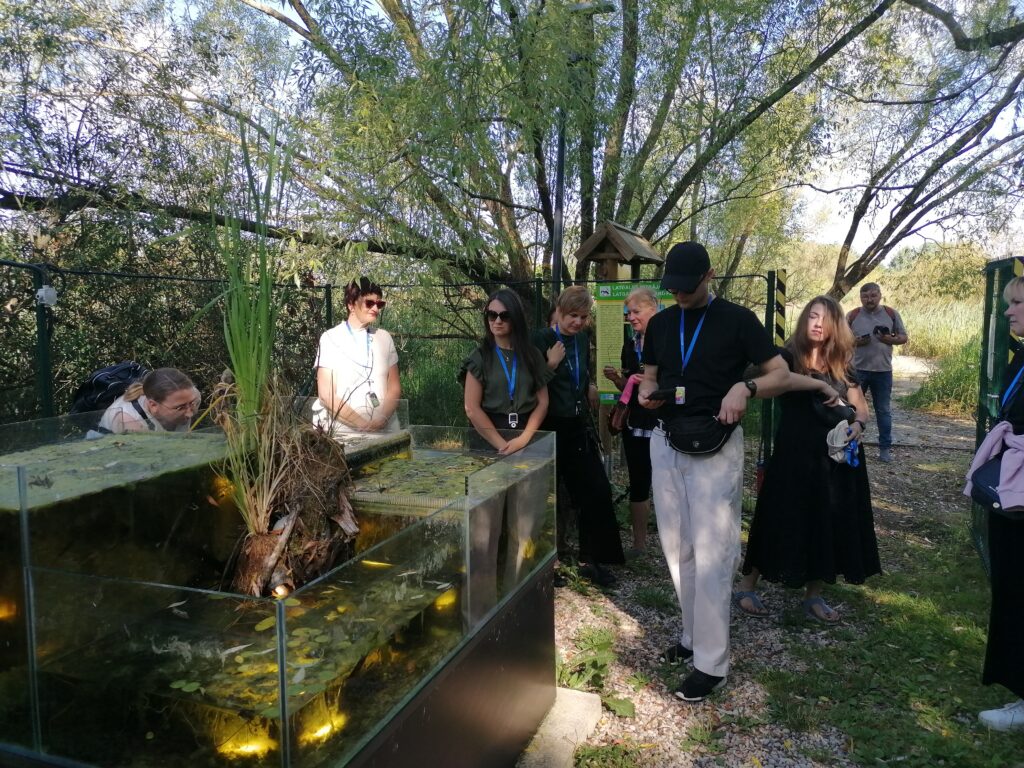
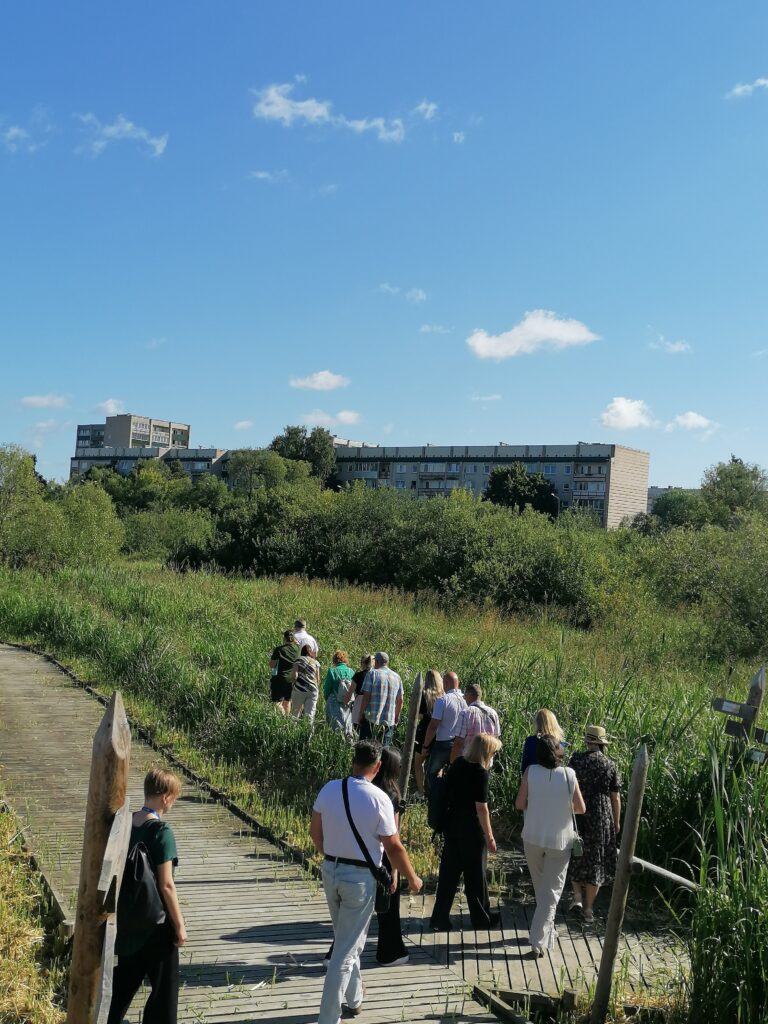
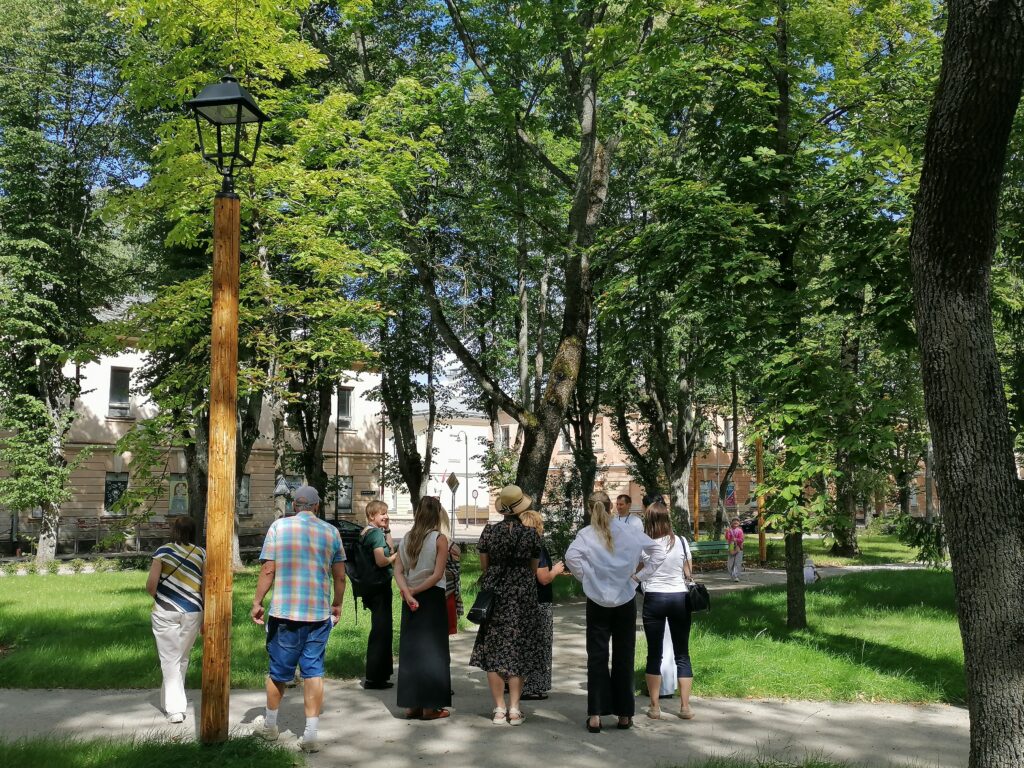
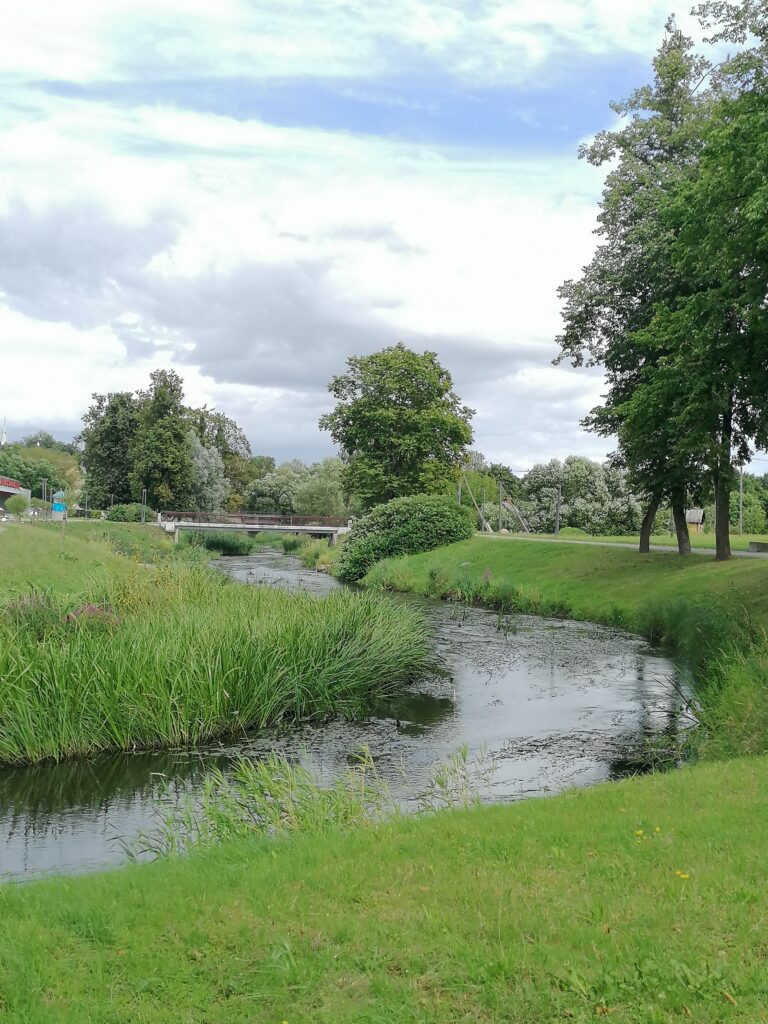
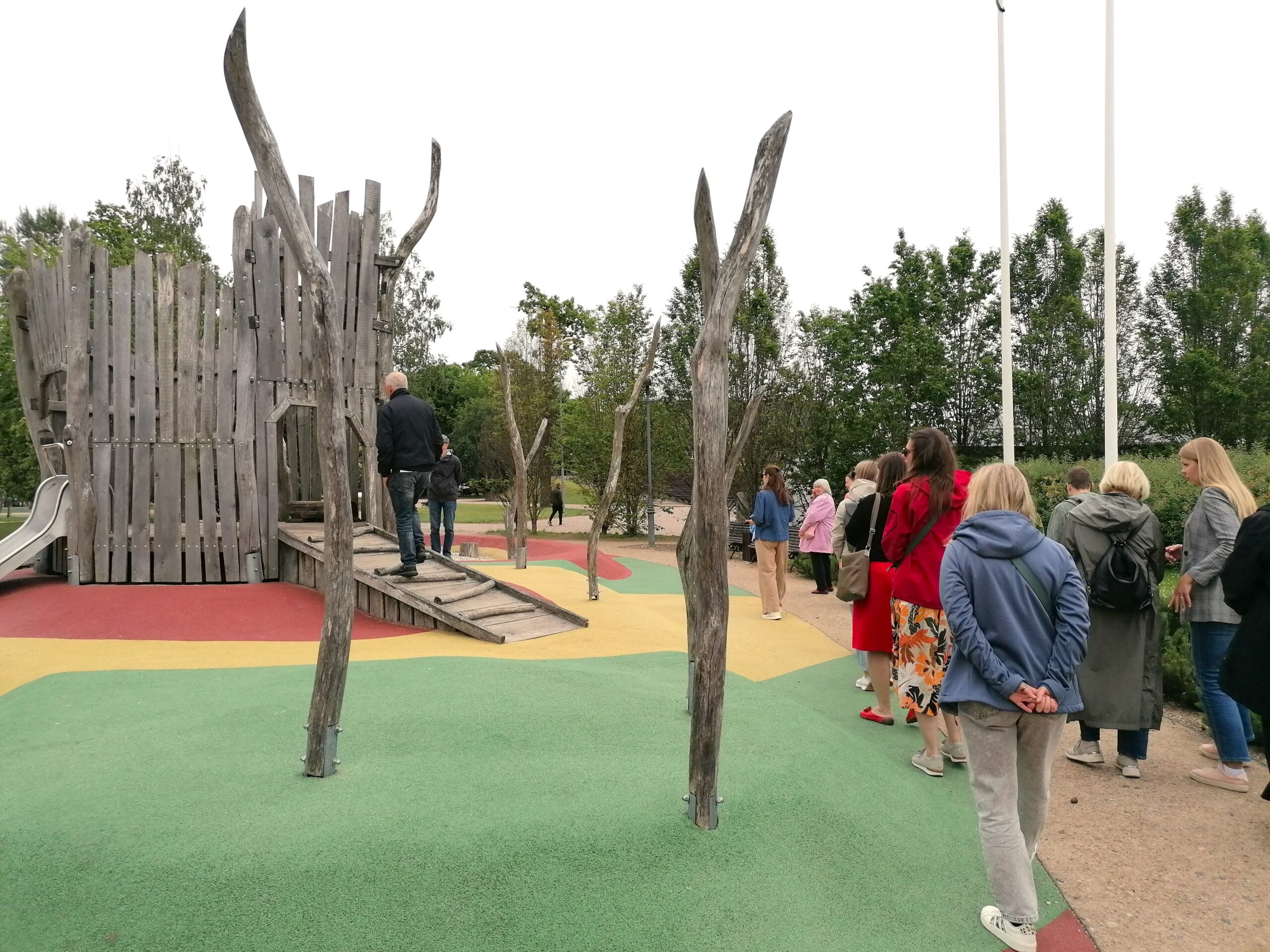
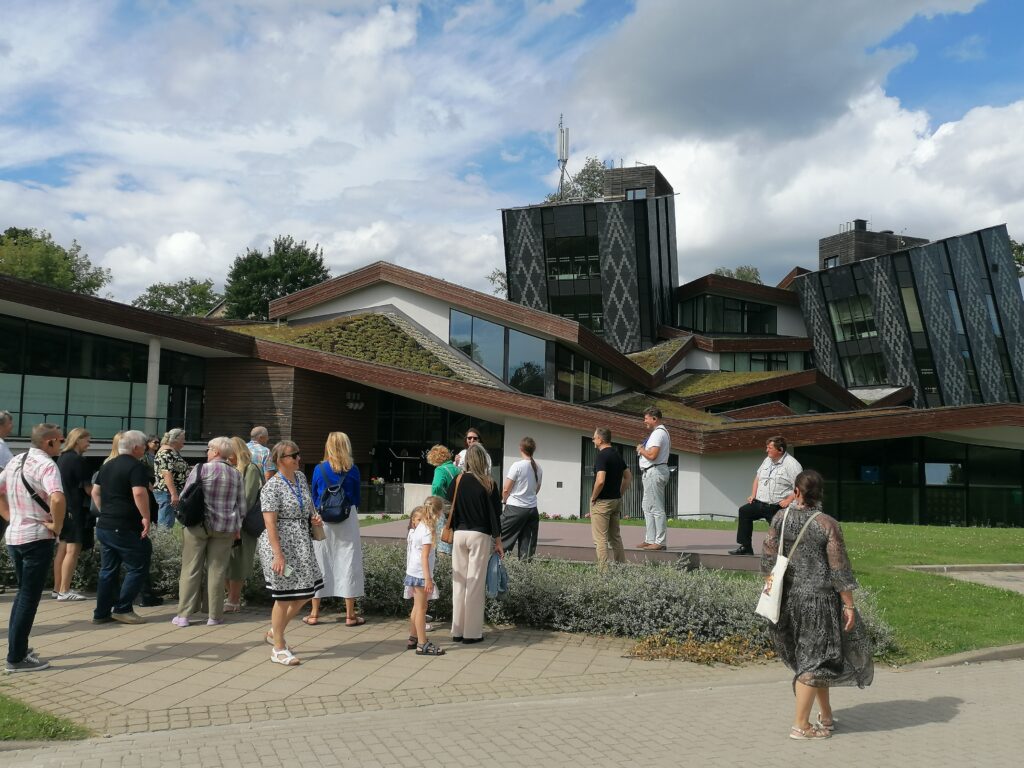
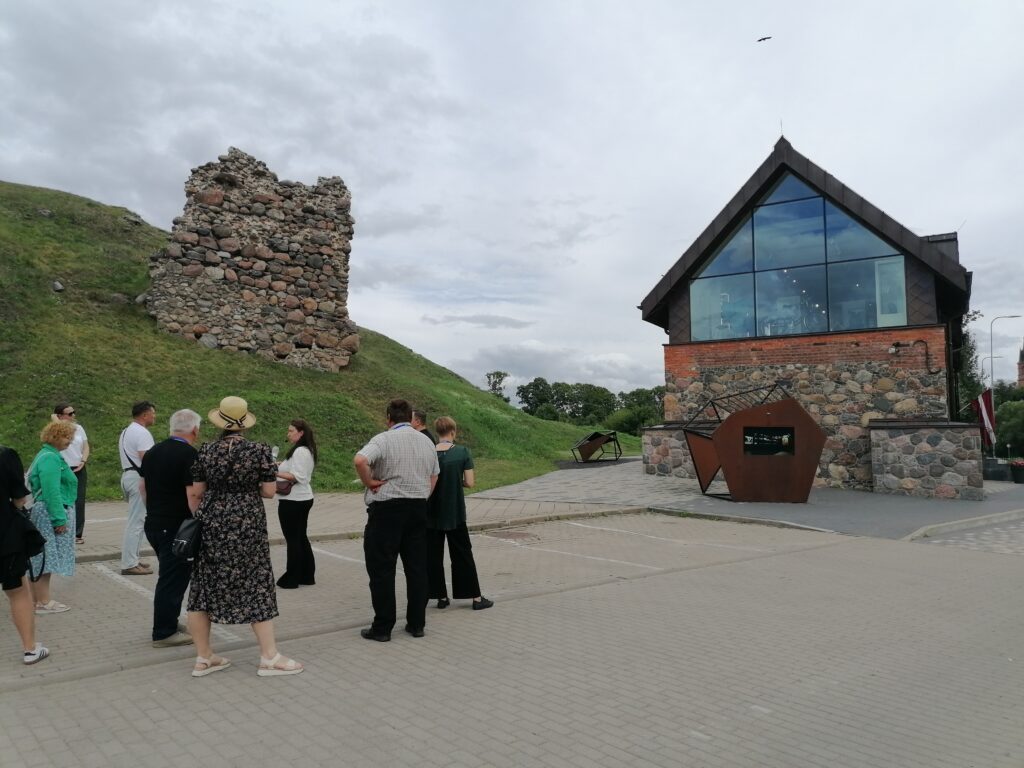
To bridge the gap between theory and practice, participants joined an educational walk through Valmiera following the lectures. During the tour, they visited the “LIFE LATESTadapt” project’s local demonstration site at Cēsu iela 4. This walk served as a real-world example of how nature-based solutions can be successfully integrated into existing urban infrastructure to improve the everyday quality of life for local residents.

About the Project: This event was implemented within the framework of the European Union’s LIFE program project “Development and Demonstration of a Nature-Based Solutions Portfolio for Improving Urban Climate Resilience in Latvia and Estonia” (LIFE LATESTadapt, call 2021-SAP-CLIMA-CCA).The project is co-funded by the European Union’s LIFE program and the Ministry of Smart Administration and Regional Development.

Source: https://www.valmierasnovads.lv/ilgtspejigas-lietus-udens-apsaimniekosanas-un-zalo-risinajumu-pilsetvide-seminars-valmiera/

Posted on

What should we never stop talking about? Cities in the age of climate change.

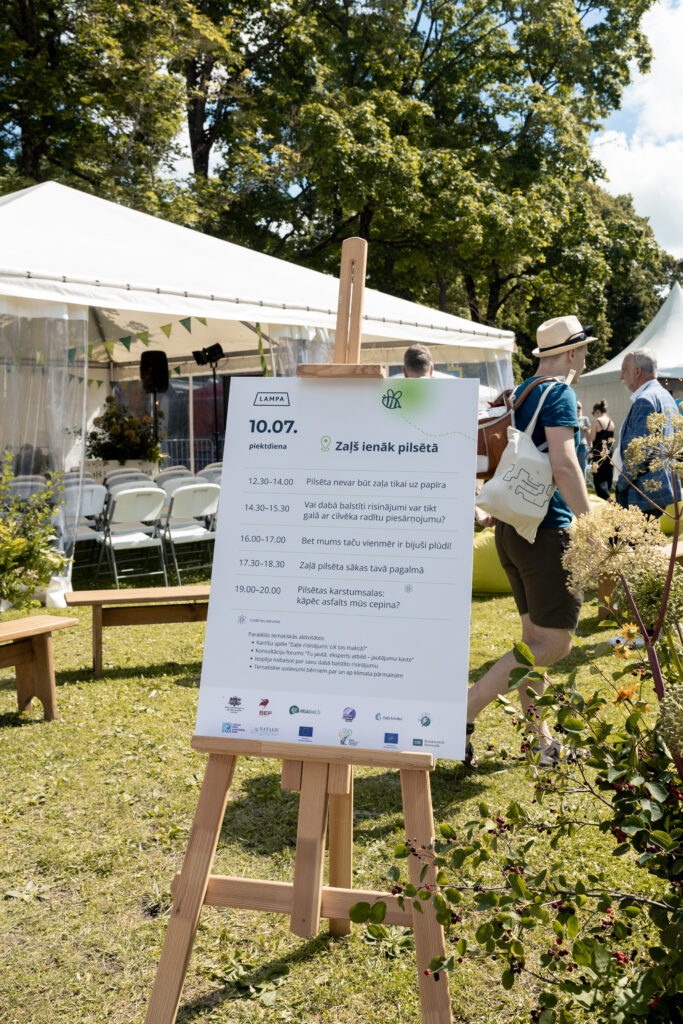
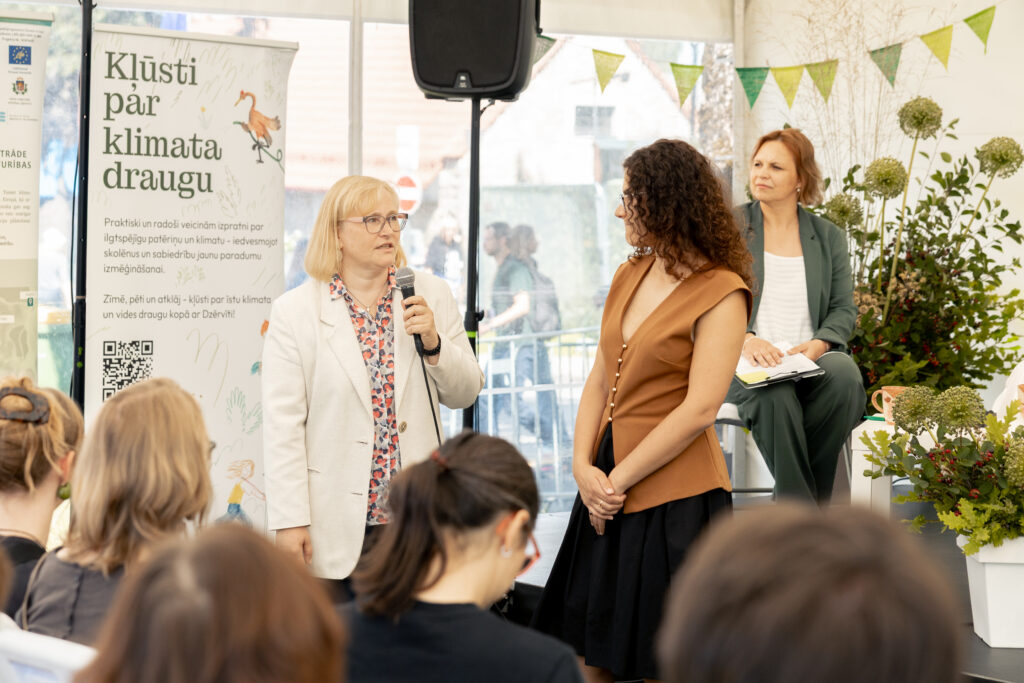
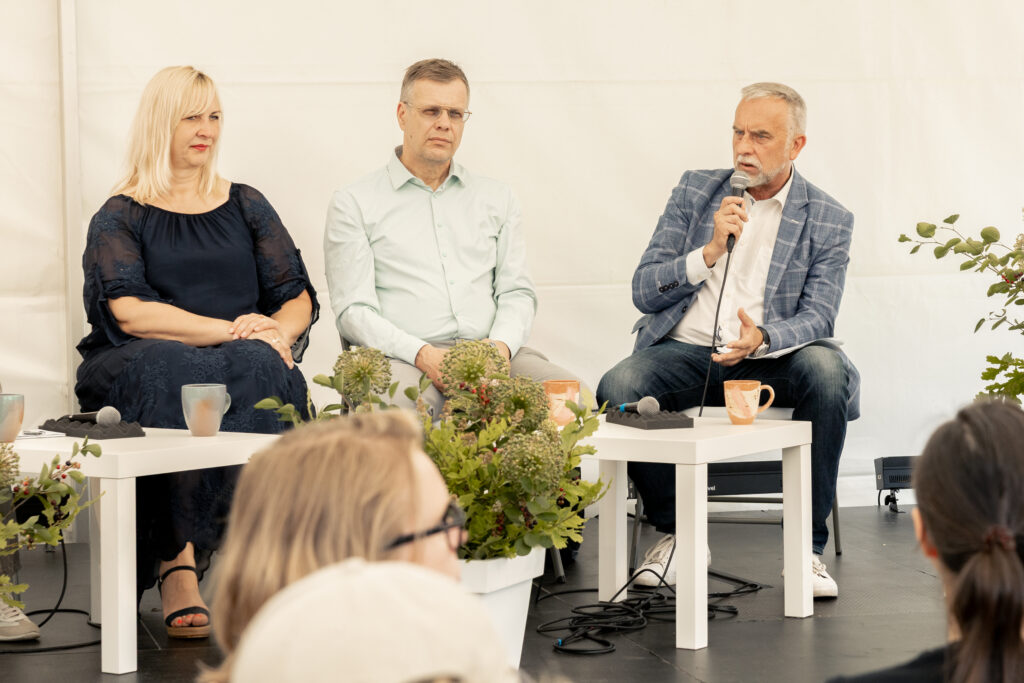
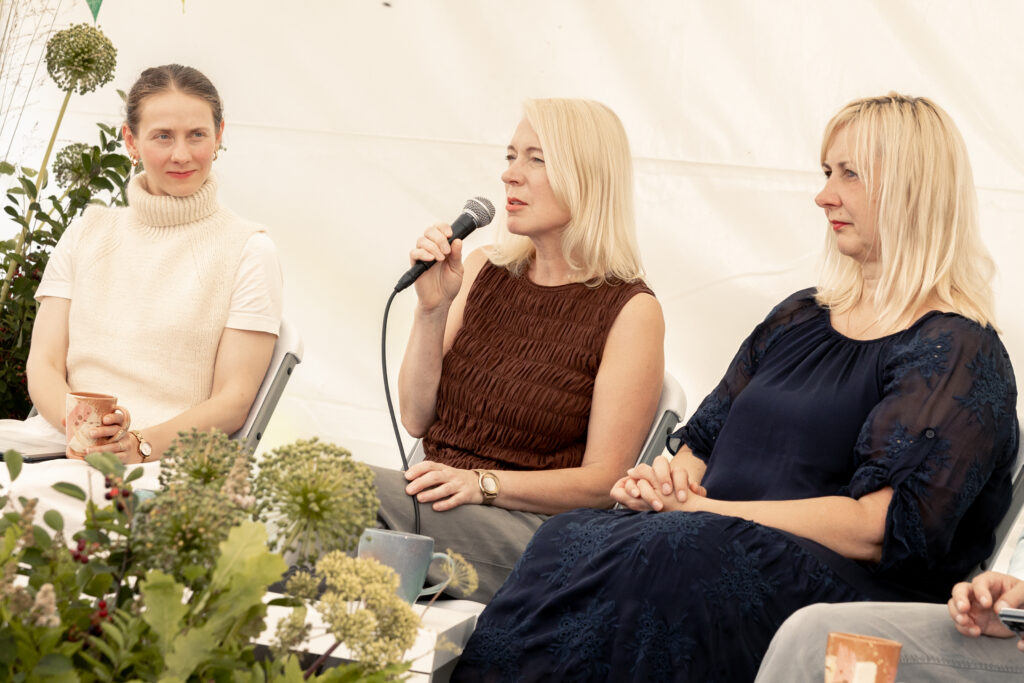
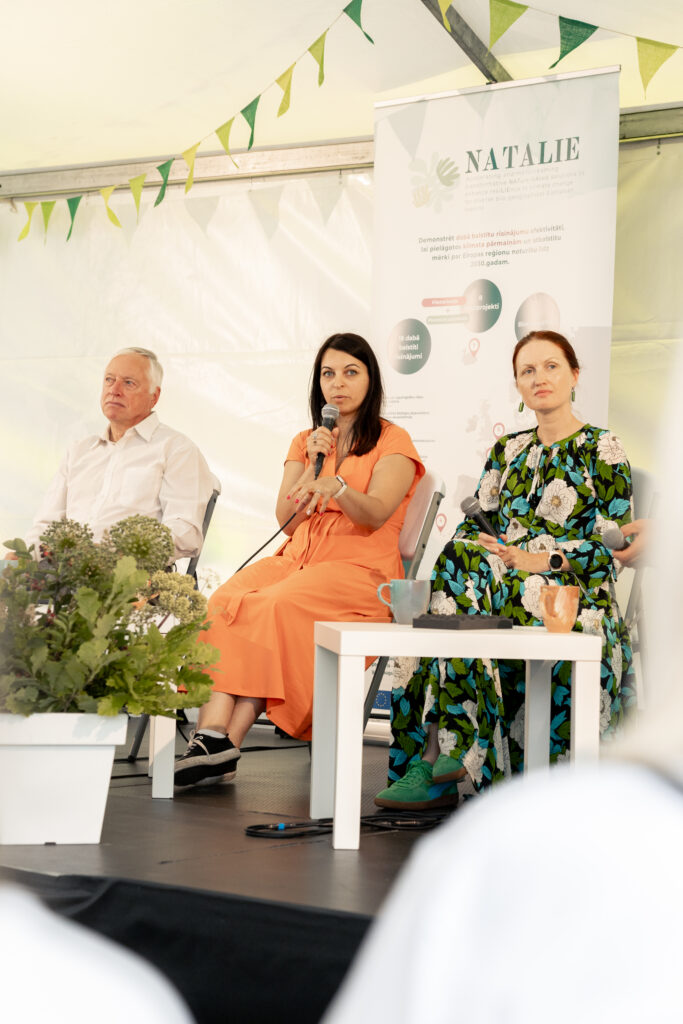
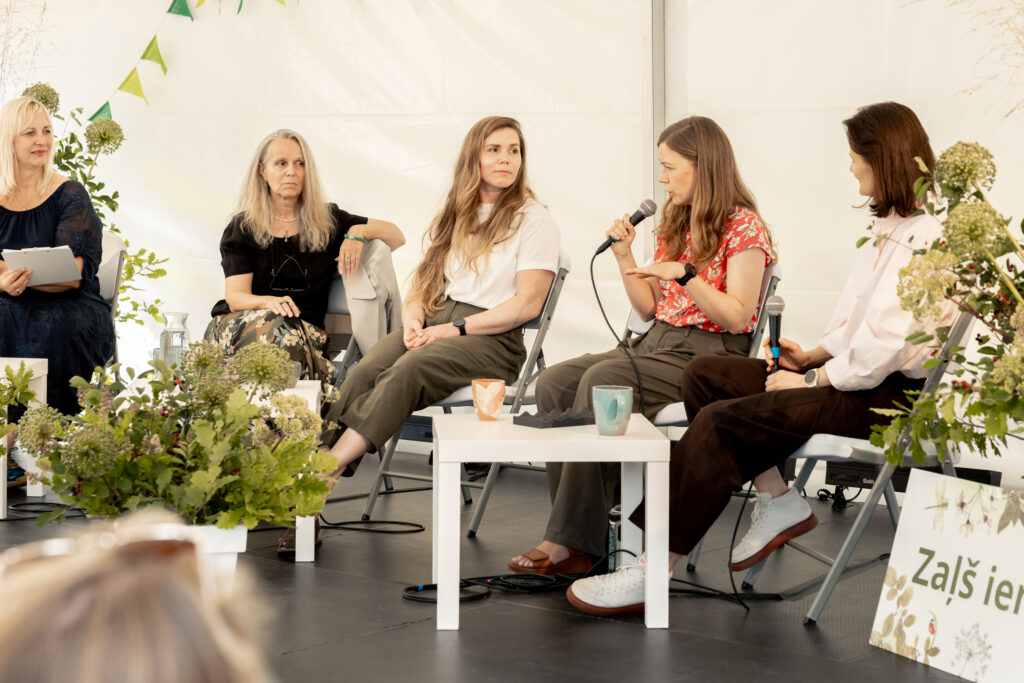
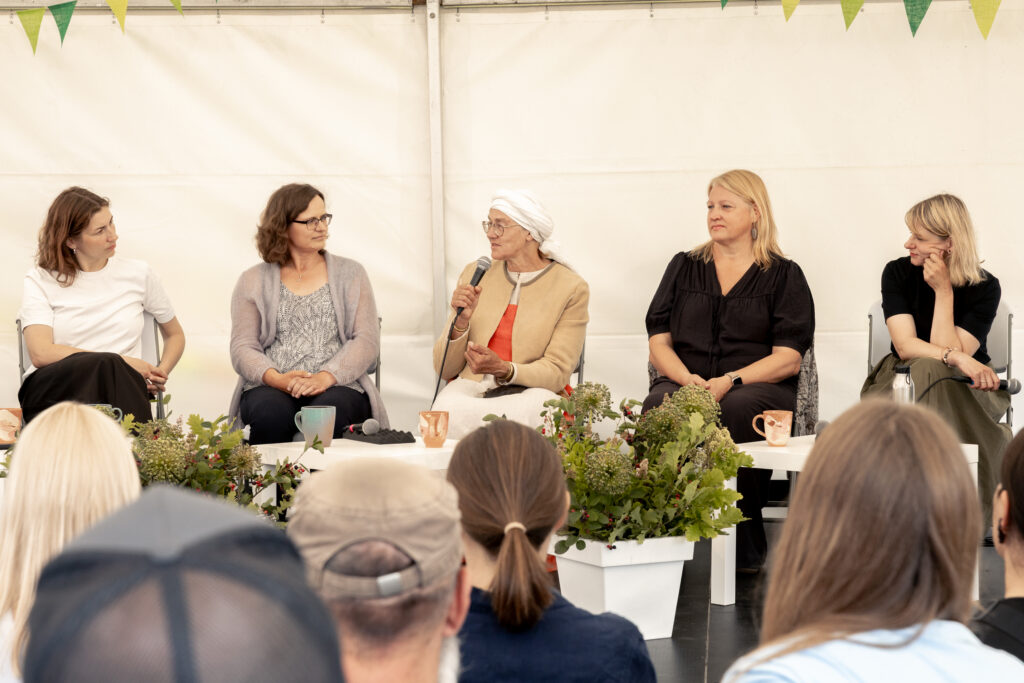
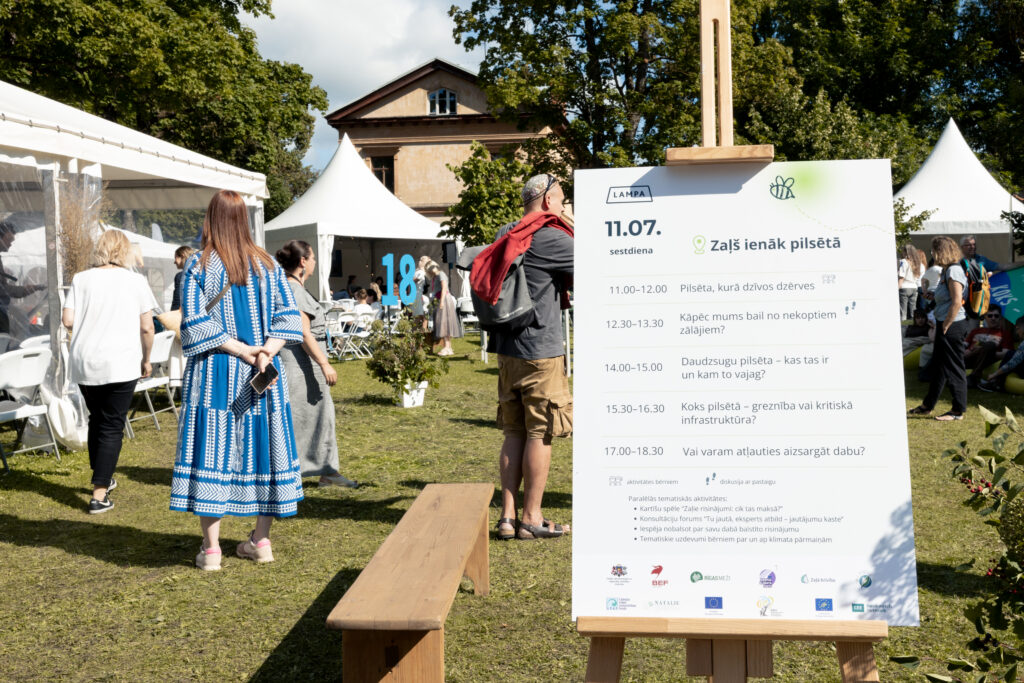
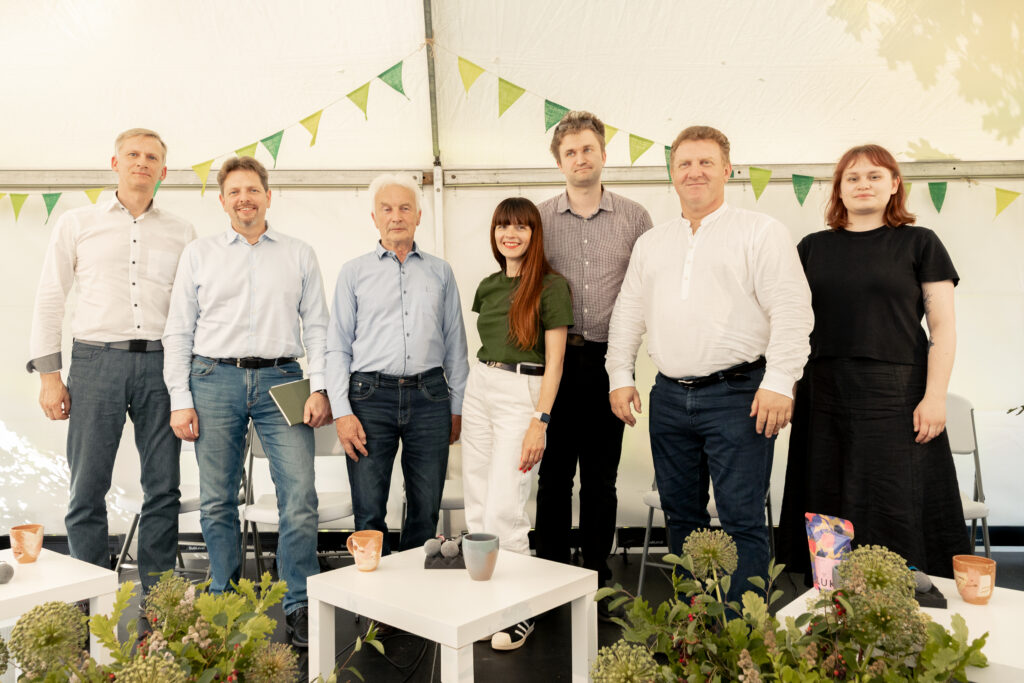
On 10–11 July, at the LAMPA Conversation Festival in Cēsis, Latvia, we invite you to visit the thematic stage “Green Comes into the City”, where discussions will focus on building healthier, more resilient and people-friendly cities in a changing climate.

💧 How can we reduce flood risks?

🌿 How can nature-based solutions help cities adapt to climate change?

🌳 Why are trees and green spaces essential for our health and well-being?

🏙️ How can we tackle urban overheating?

Over two days, experts, researchers, local government representatives and civil society organisations will explore practical solutions to some of the most pressing challenges facing our communities today. The programme will also include educational and creative activities for families and children.

The LIFE LATESTadapt team will be there to share insights on climate adaptation and discuss how nature-based solutions can help make cities and towns across the Baltic region more resilient to future climate impacts.

📍 LAMPA Conversation Festival, Cēsis, Latvia

📅 10–11 July

Find out more: https://festivalslampa.lv/lv/programma?place_ids=477

Join the conversation and help shape the cities of tomorrow! 🌱

Posted on

A series of seminars on nature-based solutions will be held

The Ministry of Smart Administration and Regional Development in collaboration with the Latvian Association of Architects invites local government specialists, architects, planners, environmental experts and other interested parties to participate in a three-part seminar series titled “Nature-based Solutions: From Knowledge to Experience in Nature.” The seminars are organized as part of the LIFE LATESTadapt project, in which VARAM participates as a project partner. 

The aim of the seminars is to educate local government and private sector specialists, including planners, architects, landscape architects, and engineers, regarding the implementation of nature-based solutions in urban environments, as well as adherence to the principles of the New European Bauhaus.  

The seminars will take place in June, July, and August, with each seminar focusing on a specific topic related to nature-based solutions and a more sustainable urban environment, taking into account the risks of climate change. The first day of the seminar will take place online, featuring research, best practices and case studies from various experts, while the second day will take place in person as a field visit to examples of thematic projects in a specific region.  

Upcoming seminars:  

June 11–12 “Child-Friendly Environments and Nature-Based Solutions: Theory and Practice”;

July 23–24 “Nature-based solutions for the protection of the sea and water bodies: theory and practice”;

August 6–7 “Nature-based solutions for stormwater management: theory and practice”.

Registration is now open for the June 11–12 seminar “Child-Friendly Environments and Nature-Based Solutions: Theory and Practice” (registration open until June 7).

Registration for the first day of the seminar (June 11): 

Registration for the second day of the seminar (June 12):

Participation in the seminars is free of charge, but space for the site visits is limited, so we encourage you to register early.

Registration for the remaining seminars will open shortly.

Certified architects will be able to earn professional development credits for participating in the seminar under the “professional development credits for mandatory formal activities (sustainability)” category: Day 1 – 2.2 credits; Day 2 – 1.8 credits.

If you have any questions, please contact Luīze Eglīte, Senior Expert at the Ministry’s Department of Spatial Planning and Land Management: email luize.eglite@varam.gov.lv; phone 67026553. 

Posted on

The third newsletter is out! 

The third LIFE LATESTadapt project newsletter has been published, summarizing the latest activities, achievements and upcoming actions related to the implementation of climate change adaptation solutions in Latvia and Estonia.

In this third edition read about:

  • 🎧 A new podcast series “Adapt to Thrive” focusing on climate change adaptation and nature-based solutions
  • 🌧️ Rain garden solutions and their role in urban stormwater management
  • 📅 Upcoming seminars and training events for municipalities and professionals
  • 💬 Project participation in the LAMPA Conversation Festival in Cēsis and Arvamusfestival in Estonia
  • 📚 New research materials on rain gardens and flood risk assessment
  • 🗺️ Heat and flood risk mapping and green infrastructure development
  • 🌿 A catalogue of nature-based solutions for pilot territories – Riga, Cēsis, and Valmiera
  • 📘 Upcoming guidelines for planning and implementing nature-based solutions

We invite you to read the third newsletter here:

Follow the project updates to stay informed about the latest activities, practical solutions and opportunities to strengthen municipal resilience to climate change.

If you would like to receive future newsletters directly in your email, subscribe here:
https://mailchi.mp/4dd216202da0/life-latestadapt

Posted on

Informational material on nature-based solutions for reducing heat and stormwater problems has been developed

Does water tend to pool on your property after heavy downpours, or does your yard become unbearably hot in the summer heat and the lawn start to turn yellow? BEF EE has prepared an informational brochure  “Nature-based solutions to alleviate heat and stormwater problems”.

The leaflet provides simple advice on how to naturally manage rainwater on your property, how to prevent heat islands with trees and diverse vegetation, and which native plant species are suitable for a rain garden. The leaflet also includes links to additional materials on nature-based solutions. The leaflet is available in Estonian, Latvian and Russian.

Informational material in Estonian

Informational material in Latvian

Informational material in Russian

Posted on

Online Workshop on Urban Green Space and Heat Island Monitoring on April 17

Register Now: Online Workshop on Urban Green Space and Heat Island Monitoring with Copernicus Data 17 April 2025 | 09:00–16:00 EET | Online

Urban green spaces play a vital role in mitigating the urban heat island effect and improving climate resilience in cities. But how can satellite data help us monitor and plan them more effectively?

Join us for a full-day international online workshop bringing together researchers, spatial planners, and Earth observation experts to explore the latest advances in urban green space and heat island mapping using freely available Copernicus satellite data.

The workshop is structured in two parts:

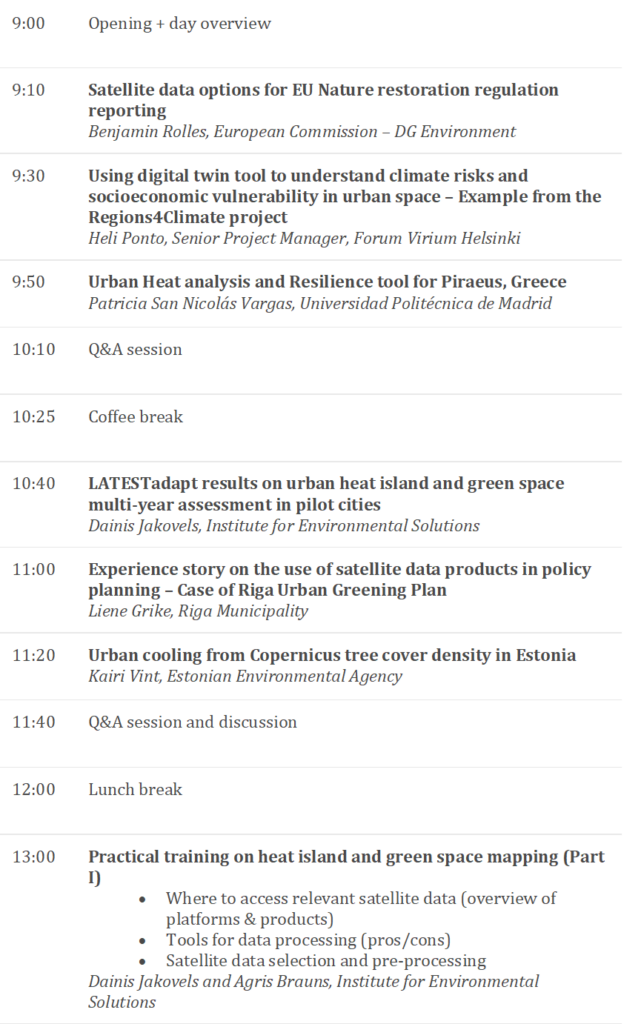
  • Morning session (09:00–12:00 EET) — Presentations by international experts on satellite-based urban green space and heat island monitoring, Copernicus data applications, and experiences from projects across Europe
  • Afternoon session (13:00–16:00 EET) — Hands-on training in heat island and green space mapping using freely available Earth observation data

PROGRAM

Who should attend? Spatial planners, researchers, municipal professionals, and anyone interested in using satellite data for urban climate adaptation and green infrastructure planning.

The workshop is organised by the Institute for Environmental Solutions (IES, Latvia) as part of the LIFE LATESTadapt project.

Participation is free of charge. Places are limited.

👉 https://docs.google.com/forms/d/e/1FAIpQLSeMa_w5M_L1Spc7wqoz-Zg_9-mdn502dylIcpfQ-w4sEEPi6w/viewform?usp=header

Posted on

A rain garden is more than just a stormwater solution

Where does rainwater go?

Mart Meriste, OÜ Nordic Botanical

In Estonia and Latvia, precipitation is known to be more than evaporation, which means that rainwater must leave the ground in other ways. The most visible natural rainwater solution is streams and rivers, which collect water from the landscape and eventually carry it to the sea. However, this does not happen quickly and all at once, because it takes time for water to accumulate in watercourses. In addition, there are also large water reservoirs in nature that retain water for a long time, such as lakes, swamps and bogs. Sometimes temporary water bodies form in the landscape, such as puddles on roads, fields and forests, as well as floodplains. Some of the water that falls on the ground seeps through the soil and forms groundwater. Thanks to this, rainwater that falls with heavy rains is stored in the landscape for a while and flows away gradually.

One of the biggest problems in densely populated areas is the abundance of surfaces that do not absorb water. Water needs to be drained quickly from roofs, roads and streets, pedestrian paths and parking lots. But where? Usually into the stormwater sewer system and, through it, into a natural body of water. The problem with this solution, however, is that the ability of the pipes to absorb water is limited. It is almost always possible to increase sewer reception capacity, but this tends to be very expensive and complicated, and even in the best case scenario, it can still happen that in the conditions of a changing climate, a few rains will surprise even experienced engineers with their abundance of water. Then cars will drown in the streets again, basements will fill up, water flows will ruin green areas and leaks from flat roofs will cause trouble indoors. However, in countries more mountainous than Estonia or Latvia, it is also possible to see streets that turn into rivers in a short time, and unfortunately, human casualties can also be counted all too often.

This makes us think that perhaps we still have something important to learn from nature.

What is rain garden?

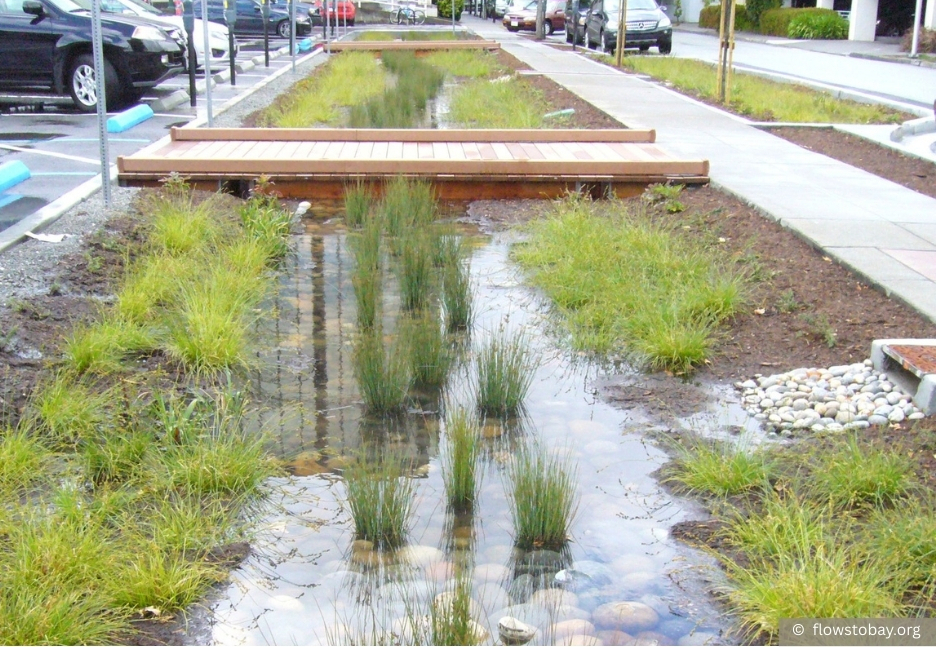
The nature of a rain garden is already indicated by its name. It is usually an artificially created green area, the purpose of which is to temporarily collect rainwater in order to reduce and disperse the load on the rainwater sewer system.

Rain gardens can have very different designs. In most cases, however, they are vegetated depressions on the ground where rainwater is directed. Often, a rain garden also has an outlet and overflow to drain excess water. The surface area of ​​a rain garden consists of soil with good water permeability, under which there is a drainage layer including a drainage pipe. Since the outflow from the rain garden is limited, the water temporarily accumulates in it and later flows into the pipes gradually. In the case of smaller rainfalls, it may happen that all the water seeps into the soil and not a single drop reaches the pipes.

Just like in a proper garden, plants grow also in a rain garden. However, the role of plants in a rain garden is not only to give the technical facility an aesthetic appearance. Plants slow down the flow of water, reduce the amount of runoff, and help purify the water both mechanically, acting as a kind of filter, and chemically, absorbing and storing plant nutrients and other substances contained in rainwater.

Rain garden challenges

Although the area that functions as a rain garden can also be natural, it is usually understood as a man-made structure. To create a rain garden, a large hole must be dug and filled with drainage materials and a substrate that is water-permeable and allows plants to grow. The drainage layer usually consists of crushed stone and perforated drainage pipes inside it that drain the water. A substrate that consists of 50% sand, 25% compost and 25% natural soil can be used as a growing medium. The high sand content allows water to seep in quickly, the compost provides the necessary fertility for plant growth, and the natural soil contains soil biota.

Of course, when building a rain garden, you also need to figure out how the water will get into the garden and from there into the stormwater pipe, ditch, or elsewhere. Once all of that is done, you need to choose the plants. Since this is not an ordinary flower bed, choosing plants requires a little more knowledge. Namely, the conditions in a rain garden are quite challenging for vegetation.

During very rainy periods, the rain garden may be flooded for a long time. If the soil is already saturated with water, the ground will no longer absorb water and it may happen that the winter frosts freeze the entire rain garden and it becomes a small ice rink. Most common bedding flowers cannot tolerate such conditions.

In summer, a heat wave can occur when temperatures rise above 30 degrees and there is no rain for several weeks or even several months. Soil consisting of half sand, with drainage underneath, does not retain water very well and therefore the rain garden is also very drought-sensitive. However, most common bedding flowers cannot tolerate drought.

In addition, some rain gardens receive their water mainly from roads and parking lots, which means that the water is periodically more saline. In the city, in addition to salt, other pollutants from streets and roofs, such as asphalt dust from studded tires, soot from roaring chimneys and exhaust pipes, and accidental leaks from vehicles as well as two- and four-legged city dwellers, reach the rain garden with rain.

So the plant species in the rain garden must be real superheroes.

Native plant species in rain garden

There are about 1,500 native vascular plant species growing naturally in Estonia[MK1] . They are distributed across a wide range of habitats, from limestone crevices in the plateaus to bogs. Different species have different preferences for moisture, light and soil. However, the local weather and climate in general is fairly uniform for all plants, regardless of where they grow. All native plant species can withstand the local climate! Most of them have proven over millennia that they can survive both dry and rainy summers, and both muddy and harsh winters. The species growing here today have so far managed to survive the reduction in habitats, landscape changes, pollution and signs of major climate change that have accompanied the intensification of human activity.

The conditions of the rain garden are somewhat reminiscent of the conditions of several natural communities in Estonia that are flooded from time to time. The best known of these are floodplain and coastal meadows, but also thin-soiled calcareous meadows that become very dry in summer are often under a thin layer of water for a long time in winter. In rainy summers, even normally drier plant communities become waterlogged. Farmers’ crops tend to fail in such years, but natural plant communities are still species-rich and lush under the same conditions. Natural plants have to survive all the vagaries of the Estonian climate without anyone covering them for the winter, spraying them against aphids, or replanting them in case of accidental death. Therefore, the best place to look for plants for challenging conditions has to be the local nature.

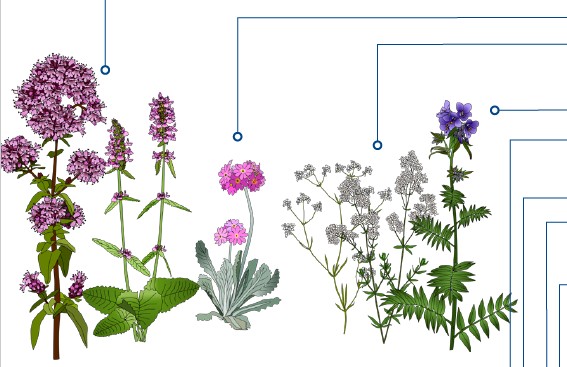
In 2023, a test rain garden was established in Tartu County, Estonia as part of the LIFE LATESTadapt project (lifelatestadapt.viimsivald.ee/et) to test the resilience of native plants. A total of 62 species of native plants were planted in the garden: Dianthus arenarius, Dianthus deltoides, Lychnis viscaria, Silene dioica, Aquilegia vulgaris, Ranunculus acris, Ranunculus auricomus, Ranunculus polyanthemos, Trollius europaeus, Alchemilla sp., Filipendula ulmaria, Geum rivale, Potentilla argentea, Potentilla erecta, Anthyllis vulneraria, Lotus corniculatus, Ononis arvensis, Trifolium fragiferum, Trifolium montanum, Hypericum perforatum, Lythrum salicaria, Angelica sylvestris, Pimpinella saxifraga, Primula farinosa, Asperula tinctoria, Galium album, Galium boreale, Galium verum, Polemonium caeruleum, Myosotis sylvatica, Clinopodium vulgare, Origanum vulgare, Prunella vulgaris, Stachys officinalis, Thymus pulegioides, Thymus serpyllum, Linaria vulgaris, Plantago lanceolata, Plantago media, Veronica chamaedrys, Veronica longifolia, Veronica spicata, Veronica teucrium, Succisa pratensis, Campanula rapunculoides, Campanula rotundifolia, Centaurea jacea, Centaurea scabiosa, Eupatorium cannabinum, Knautia arvensis, Leontodon autumnalis, Pilosella officinarum, Senecio jacobaea, Serratula tinctoria, Solidago virgaurea, Tanacetum vulgare, Agrostis capillaris, Anthoxanthum odoratum, Cynosurus cristatus, Deschampsia cespitosa, Molinia caerulea, Sesleria caerulea.

In addition to these species that grow in similar conditions in nature, plants that were assumed not to be able to survive there in the long term were also planted in the test bed for control purposes. The results so far after two very different summers and winters are somewhat surprising. Namely – all the planted plant species are alive! It is not very strange to see Polemonium caeruleum, Filipendula ulmaria, Lythrum salicaria or Eupatorium cannabinum in flooded areas. However, it is a little surprising to see violet flowers of Dianthus deltoides, colorful Anthyllis vulneraria or a carpet of Thymus serpyllum growing under a 15 cm layer of water.

How can this be? Let’s try to answer this question. First, the plants in the test garden are planted there, not spread and grown from seed. However, spreading and growing from seed to large plant is the most difficult stage in the life of a plant. Second, good gardeners keep the test plants away from each other and do not let them compete with each other. Third, we do not let plant species that we have not planted – so-called weeds, which could eventually crowd out the planted plants – grow in the test garden.

From the experiment, we can conclude that if we want to create a truly durable landscaping solution, there is nothing better than native plant species! And also that we have different choices, depending on what we want to do and how much we can invest in maintenance. If we can weed and plant additions, it is possible to grow a wide variety of native plant species in a rain garden. If we cannot afford so much maintenance, the choice of species will probably be smaller and it is possible that natural selection will cull some plants and add species that were not originally planted there. If the goal is to plant a rain bed and ensure its durability and functionality, both options are good.

Contribution of a rain garden to biodiversity

In an era of rapid biodiversity loss, it is important to protect and promote it wherever possible. Cultivated plants are undoubtedly beautiful and a bee can eat a mouthful of them, but our domestic biodiversity is actually based on domestic plant species. Each domestic plant species is associated with dozens or even hundreds of other species. The biota of our soils – fungi, roundworms, potworms, soil mites, springtails and thousands of others – mainly use the surface layer of the soil as their habitat, where their habitat is formed by the roots of plants and the decay that occurs when the above-ground parts die. The majority of our beautiful domestic butterfly species spend their caterpillar stage eating the leaves of our domestic plants, and in addition to the domesticated honeybee, we have over 200 species of wild bees, dozens of species of bumblebees and countless other insects that feed on flower nectar and pollinate plants. Plants are also eaten by a large number of our wild mammals and birds. These and the insects that feed on plants, in turn, become food for our predatory animals. This is how natural ecosystems work.

Any landscaping solution should consider its impact on biodiversity. However, if it can be combined with an environmentally friendly rainwater solution, an exceptionally durable landscaping solution, and the modest beauty of Nordic flowers, then there are no losers.


Posted on

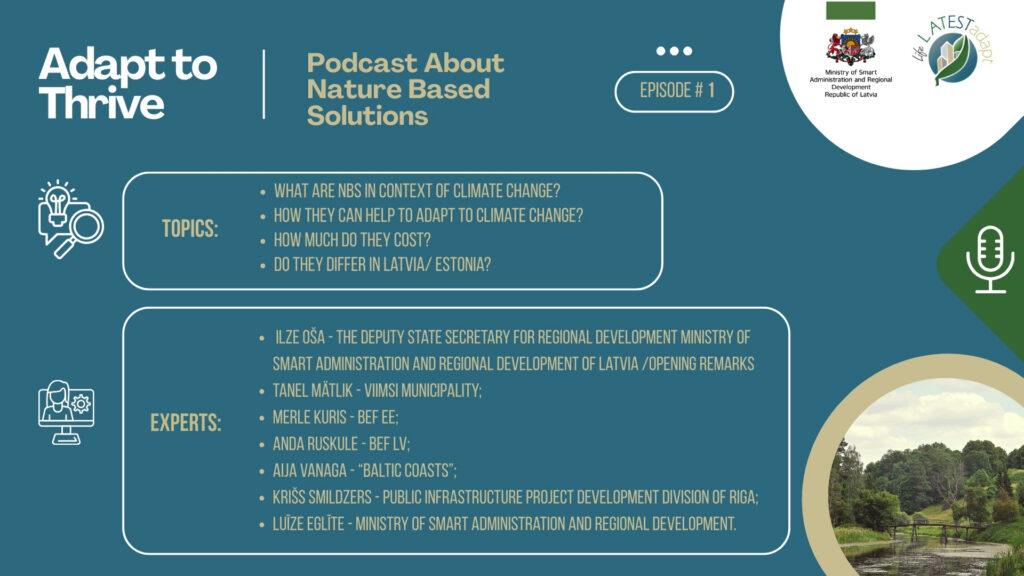
New Podcast “Adapt to Thrive” Brings Nature-Based Solutions to the Spotlight

The first episode explores what nature-based solutions are in the context of climate change, how they help us adapt, what they cost, and whether approaches differ between Latvia and Estonia.

Topics covered in the episode:

  • Defining the “why” and “what”
  • Project management and practical realities
  • Science and “smart” validation
  • Policy, barriers, and integration
  • Economic considerations
  • Community and future perspectives

Listen to the first episode here:
#1 Nature-Based Solutions – Our Shield Against Climate Change:
https://youtu.be/jO7xtjWVJNk?si=2BN6QfvqjiWeYANI

The podcast series is opened by Ilze Oša, Deputy State Secretary of the Ministry of Smart Administration and Regional Development. The first episode features experts Tanel Mätlik from Viimsi Municipality (Estonia), Merle Kuris from the Baltic Environmental Forum Estonia, Anda Ruskule from the Baltic Environmental Forum Latvia, Aija Vanaga from “Baltic Coasts”, and Krišs Smildzers from the Public Infrastructure Project Development Division of Riga City Municipality. The discussion is moderated by Luīze Eglīte from the Ministry of Smart Administration and Regional Development.

In total, seven podcast episodes are planned, covering the following topics:

  • practical implementation of rain gardens and other nature-based solutions in urban environments,
  • involvement of residents and municipalities in climate adaptation processes,
  • examples from pilot sites in Latvia and Estonia,
  • urban greening planning and its role in future development,
  • the role of sensors and data in evaluating the effectiveness of nature-based solutions,
  • raising public awareness about climate resilience and the environment.
Posted on

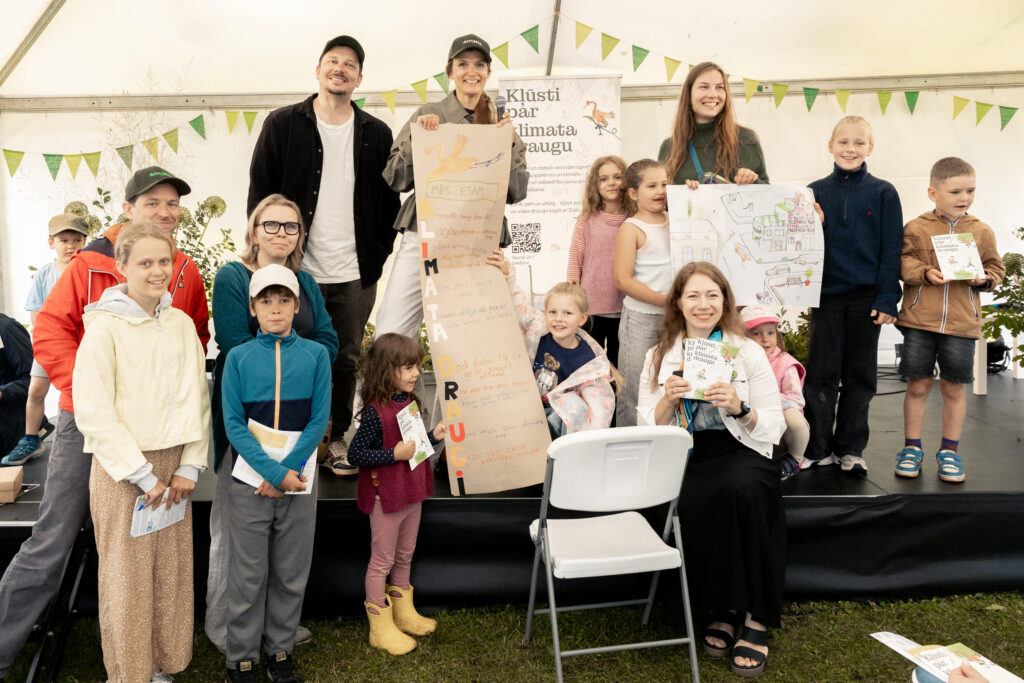
Practical Workshop Introduces Cēsis Residents to Green Infrastructure Opportunities in the City

On February 24, a practical workshop titled “Green Cēsis. The Next Level in Urban Wellbeing” took place in Cēsis, where professionals and residents jointly discussed the development of the city’s green infrastructure.
Currently, a city greening plan is being developed in Cēsis, and the workshop focused on urban greening as the next step in sustainable development. Green infrastructure is increasingly becoming a strategic tool that promotes public health, mitigates the impacts of climate change, and improves residents’ wellbeing. During the workshop, participants also discussed the development of LIFE LATESTadapt project demonstration sites in Cēsis and Valmiera, as well as related challenges.

A representative of the Ministry of Smart Administration and Regional Development (VARAM) introduced attendees to the “Consultation Forum” tool developed within the LIFE LATESTadapt project: https://lifelatestadapt.viimsivald.ee/lv/forums/. During the event, everyone had the opportunity to ask questions of interest. Participants showed great interest in this tool. Attendees could also take part in an interactive game related to the costs of nature-based solutions, using the cost-efficiency tool developed by Baltijas Krasti: https://baltijaskrasti.lv/blog/projekti/life-latestadapt/nature-based-solutions-cost-efficiency-tool/

Architect Mārīte Sprudzāne from SIA “ALPS Landscape Workshop” shared examples of nature-based solutions, while representatives of Valmiera Municipality presented their experience in developing a green infrastructure plan.

In the practical session, participants worked in several groups, analysing real examples and maps of the urban environment in Cēsis. New ideas were generated for the development of the city’s green infrastructure – to reduce the urban heat island effect, improve residents’ wellbeing, and promote biodiversity.

The workshop confirmed that green infrastructure is not merely an aesthetic element of the urban environment – it is a significant investment in sustainable urban development and the quality of life of residents.

The event took place within the framework of Vidzeme Innovation Week and was organised by Cēsis Municipality in cooperation with VARAM.

Source: cesis.lv

Posted on

Mapping and assessing green infrastructure and ecosystem services in climate adaptation context

Climate change is no longer a future challenge for cities – it is already shaping urban life today. Heatwaves, heavy rainfall, flooding, and drought are becoming more frequent, putting pressure on urban infrastructure and affecting people’s health and wellbeing. One of the most effective ways cities can adapt is by strengthening urban green infrastructure and ecosystem services it provides.

Green infrastructure (GI) refers to strategically planned network of natural and semi-natural areas that includes green and blue spaces of all types and sizes. GI elements are not just “nice to have” – they perform ecological, as well as social functions essential for well-being of citizens.

Functions that green infrastructure provides, often referred as “ecosystem services” (ES) include:

  • cooling the city during summer heat,
  • absorbing and slowing down stormwater to reduce flooding,
  • improving air quality,
  • supporting biodiversity,
  • providing spaces for recreation and benefits for the mental wellbeing of people.

What does it mean to map and assess GI and ES?

Mapping GI means identifying where green elements are located across the city and how they are connected. This can include everything from large urban forests and parks to small but important features like roadside trees, green yards or pocket parks. Mapping of the ES mean identifying what services are supplied by which elements and where.

Why is this important for planning of climate change resilient cities?

Mapping of GI and ES provides crucial information for cities in climate adaptation context. First, mapping of GI and ES enables assessing the current situation. By understanding where GI exists already and where it is most needed, city can make several key decisions, including ones that:

  • help to protect important GI areas from other development interests by adjusting zoning,
  • prioritize greening actions where climate risks are the highest,
  • design nature-based solutions and other interventions that help to address real local problems based on data and scientific evidence,
  • use limited space and resources more strategically.

In short, assessing green infrastructure and ecosystem services helps cities move from general ambitions to smart, climate-responsive greening. It ensures that Greening Plans are not only about adding more green, but about placing the right green in the right places to support climate adaptation and improve quality of life for everyone.

Mapping of green infrastructure and ecosystem services in LIFE LATESTadapt

Within LIFE LATESTadapt project three Latvian cities – Riga, Cēsis and Valmiera – are developing Greening plans with aim to increase their climate resilience. Mapping of GI and ES was performed for all three municipalities by Baltic Environmental Forum – Latvia team in order to provide crucial background information that will help to guide further development of the Greening plans in an evidence-based way. The assessments helped to identify the contribution of existing GI to climate adaptation through the supply of key ES – such as microclimate regulation and regulation of water flows. Assessment of ES also included participatory mapping as urban GI provides a wide range of non-material benefits for the well-being of people or so called “culture ecosystem services”. Furthermore, a prioritization of areas with high risk of flooding and heat island effects were carried out, highlight locations where additional greening measures and nature-based solutions are most needed.

Currently all three cities are doing extensive work to draft their Greening plans that are expected to be finalised by August 2026. Strategic goals and measurable targets, as well as a list of actions and priorities for urban greening, are developed by municipalities based on the results of GI mapping and assessment, as well as proposals form series of expert meetings, stakeholder engagement events, and scenario-building workshops organised by the LIFE LATESTadapt project.

Results on the mapping of ecosystem services and green infrastructure is available in geoportal (in Latvian): https://experience.arcgis.com/experience/5b1e464b657846078fd03eb237d1fc3c/page/Galven%C4%81_lapa?draft=true