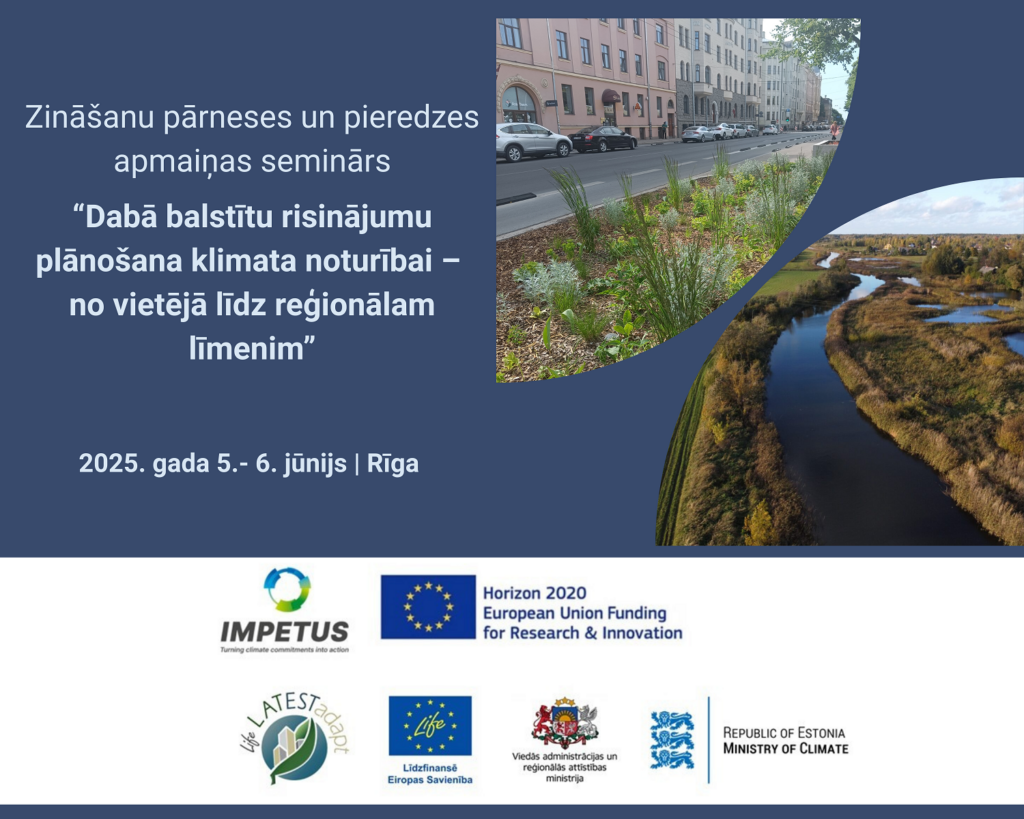
In total, seven podcast episodes are planned, covering the following topics:
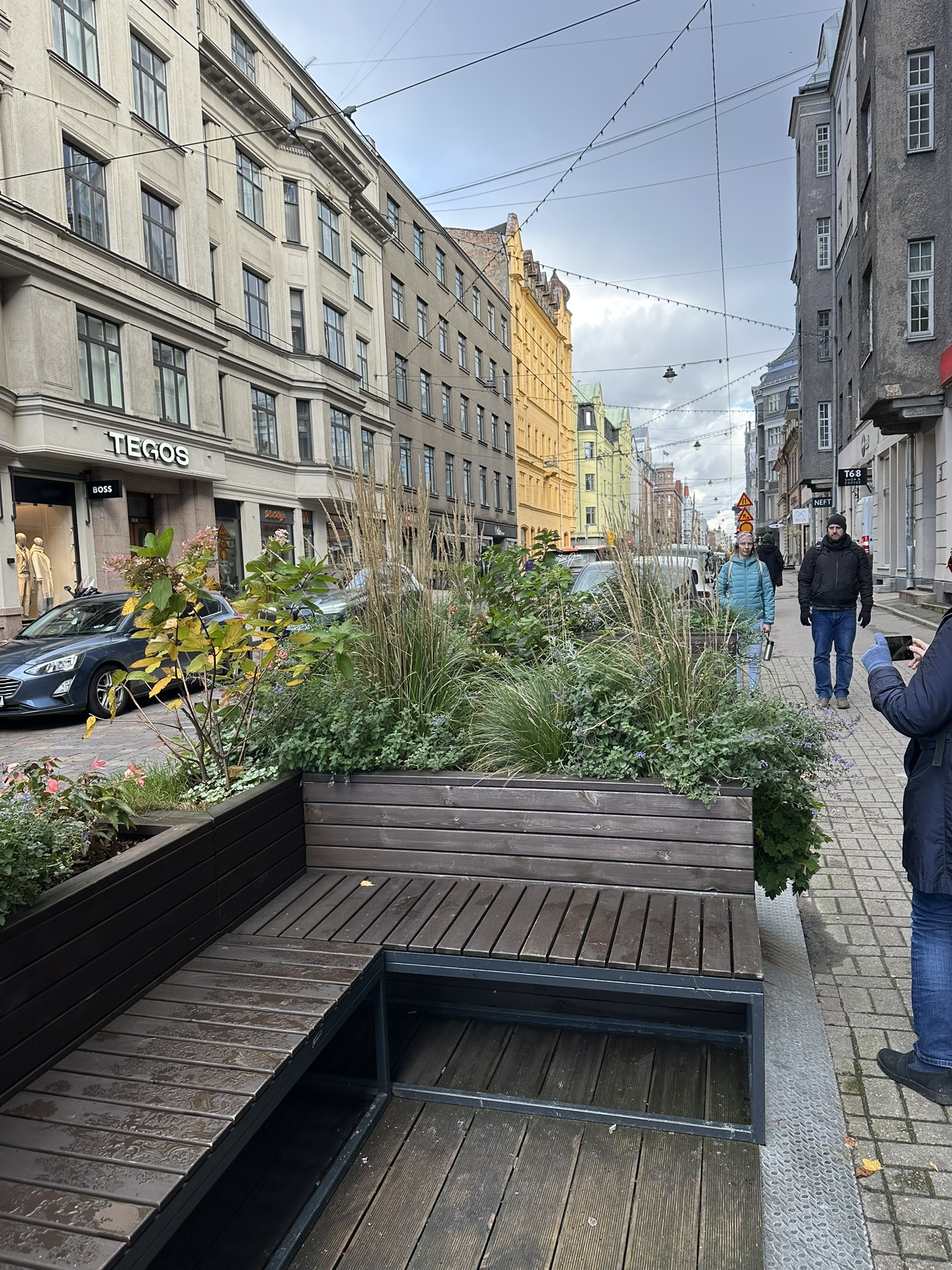
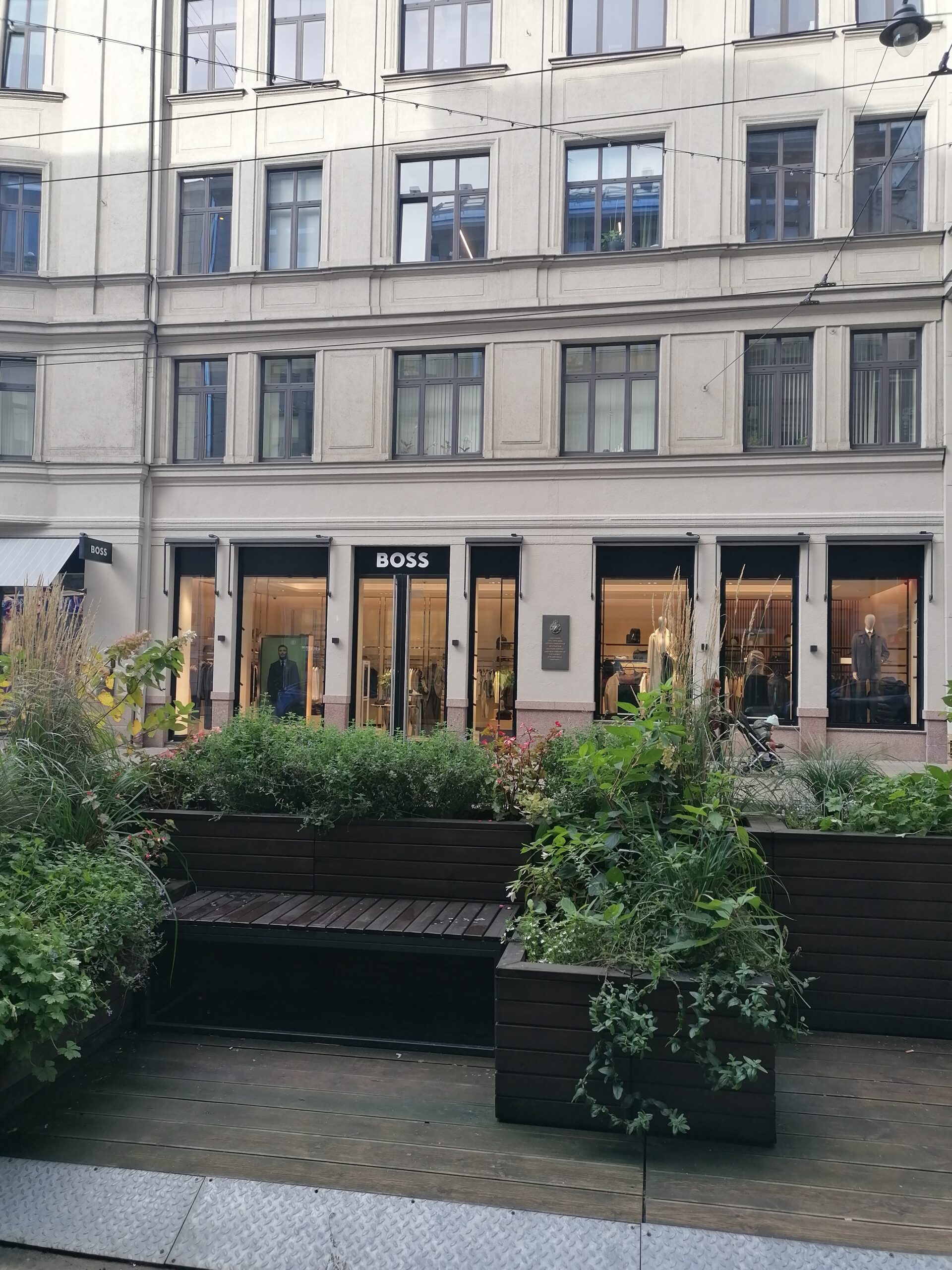
practical implementation of rain gardens and other nature-based solutions in urban environments,
involvement of residents and municipalities in climate adaptation processes,
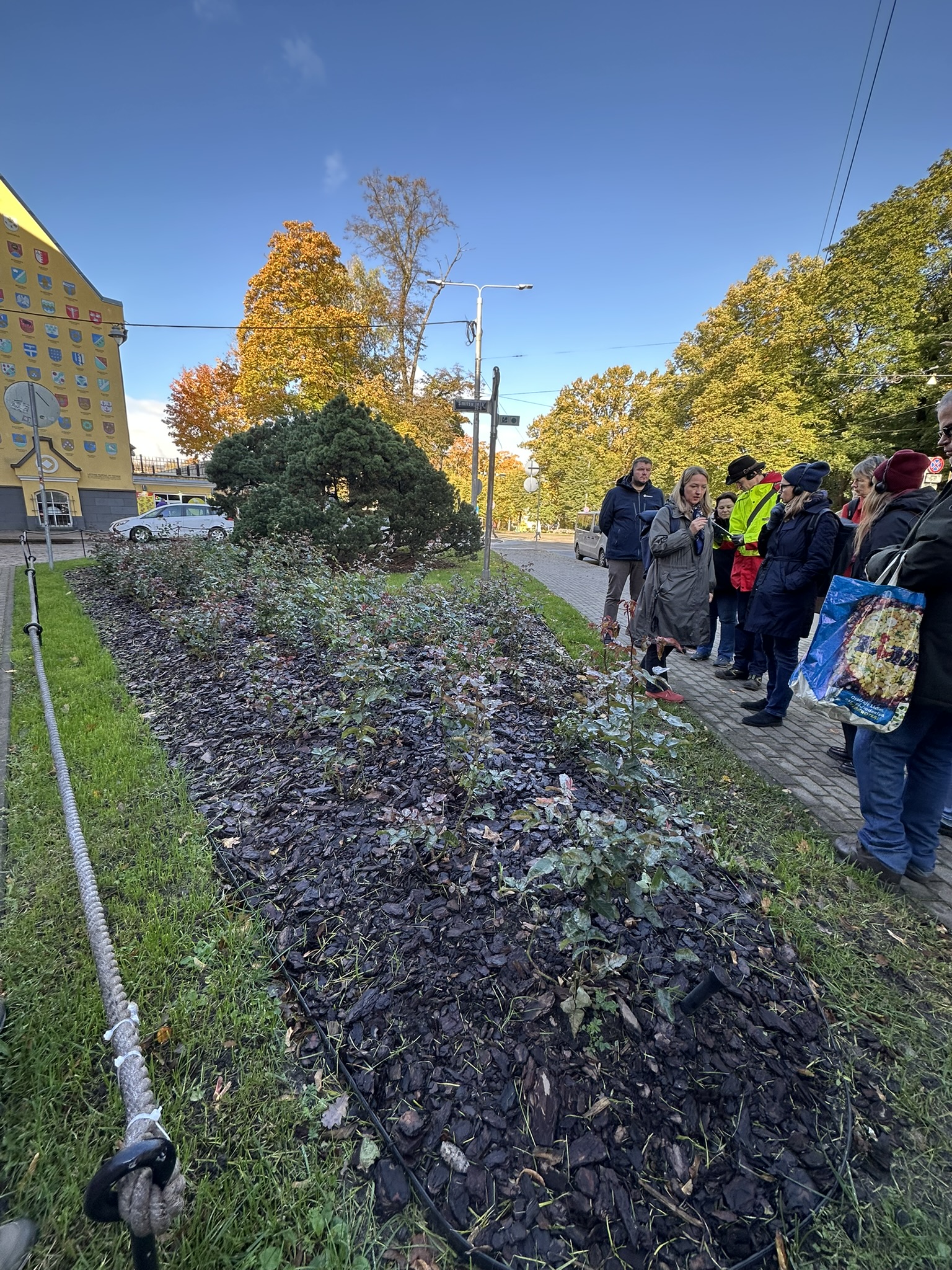
examples from pilot sites in Latvia and Estonia,
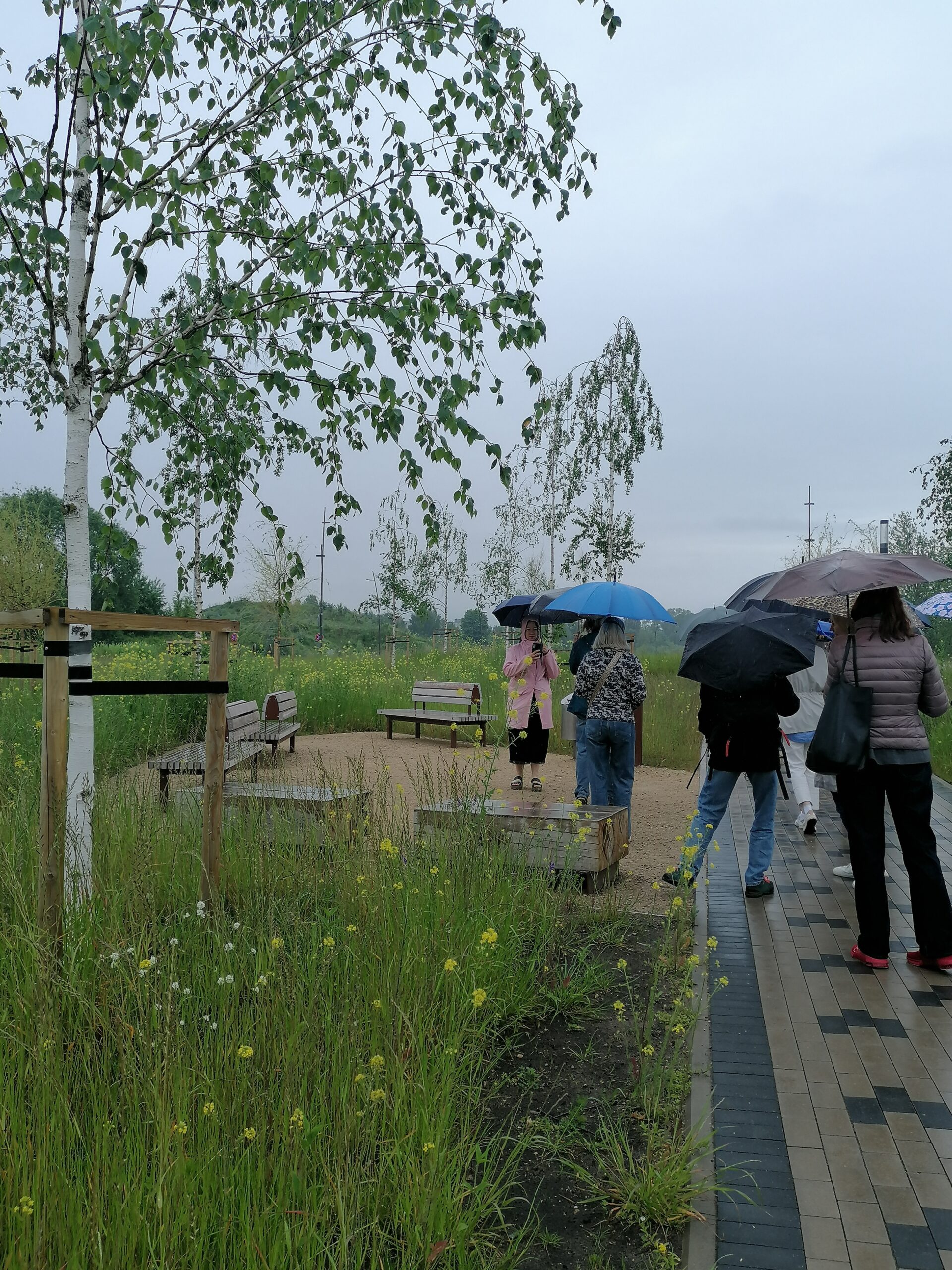
urban greening planning and its role in future development,
the role of sensors and data in evaluating the effectiveness of nature-based solutions,
raising public awareness about climate resilience and the environment.
#1 Nature-Based Solutions – Our Shield Against Climate Change
In the first episode, a conversation about what nature-based solutions is in the context of climate change, how they can help adapt to climate change, how much they cost, and whether they differ in Latvia and Estonia.
Defining “Why” and “who”
Project management and practical reality
Science and “smart” validation
Policies, barriers and integration
Economic considerations
Community and future perspectives
#2 Rain Gardens – From Science to Your Backyard
The second episode focuses on one of the most practical solutions in urban environments – rain gardens. The episode explores:
what a rain garden is,
how it works and how it differs from other stormwater management solutions,
how rain gardens help manage stormwater in cities and reduce the load on drainage systems,
how rain gardens can help reduce flood risks during heavy rainfall events.
#3 Can Anyone Create NBS? The Power of Engaged Communities
The third episode within the LIFE LATESTadapt project focuses on public engagement in implementing nature-based solutions in urban environments:
how well residents understand nature-based solutions and the most common perceptions about them,
how to improve communication and explain climate adaptation solutions to different target audiences,
how municipalities integrate green infrastructure into urban planning and development,
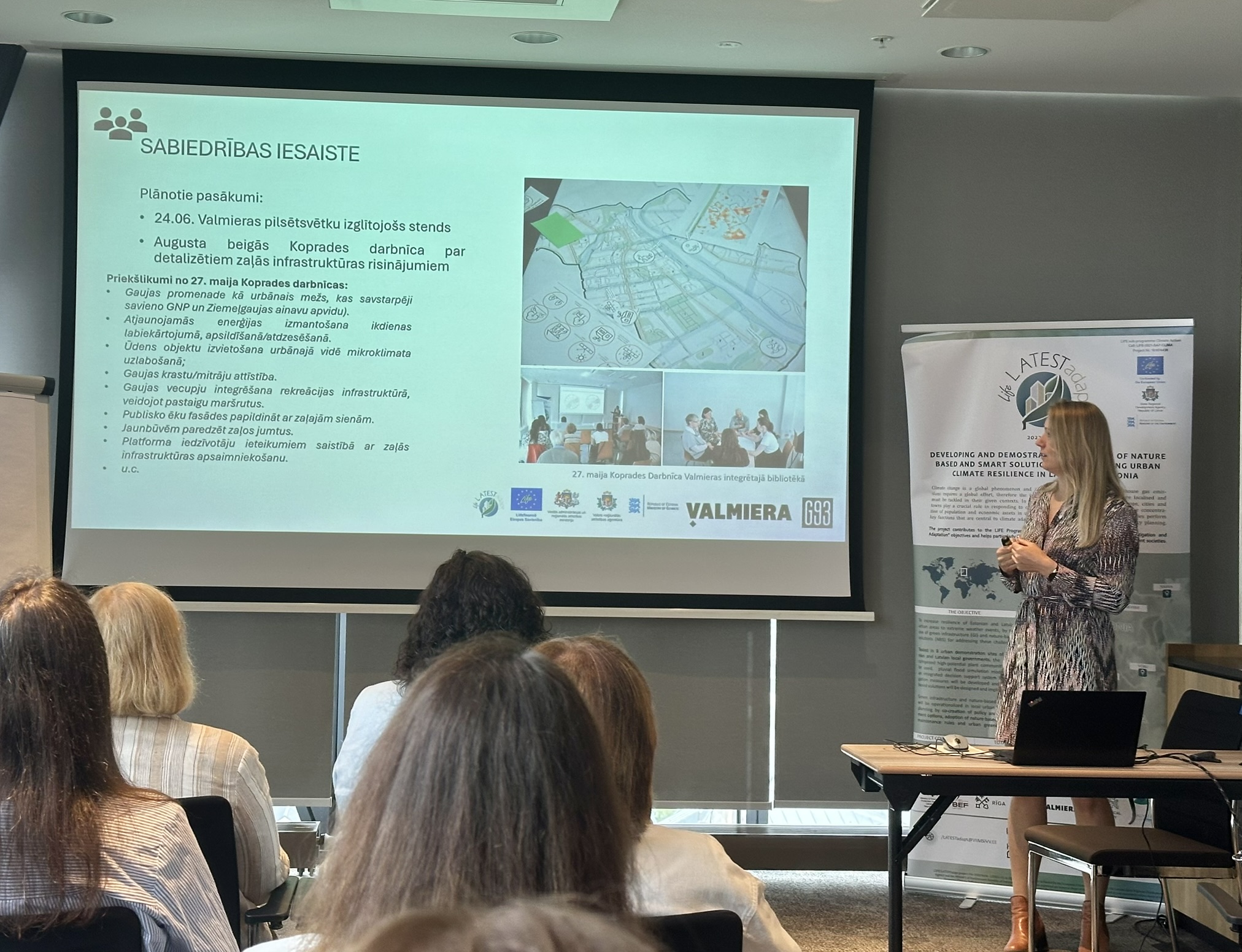
how residents, communities, and city activists can participate in shaping urban environments,
how to resolve conflicts between different urban needs, such as parking spaces and green areas.
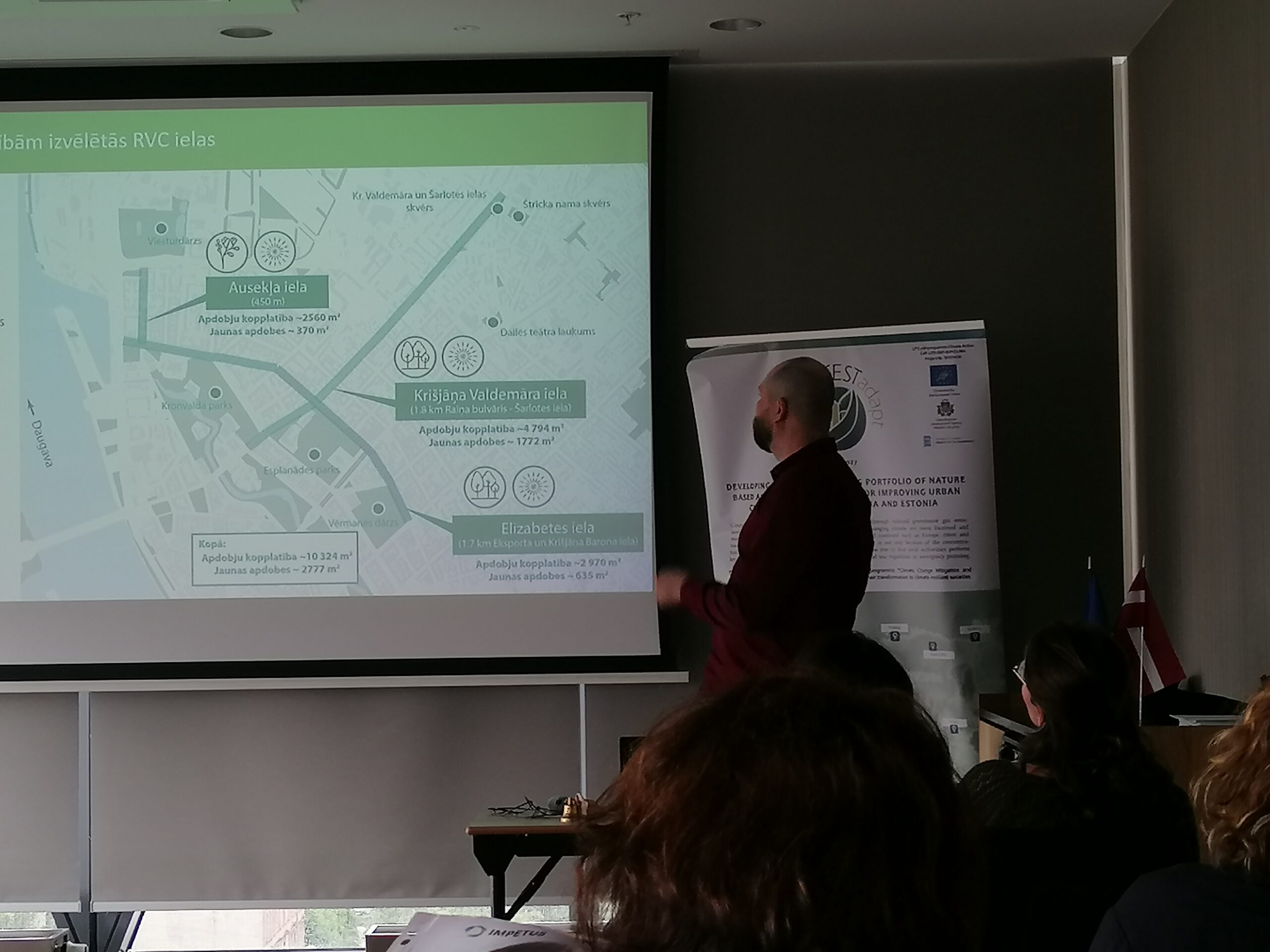
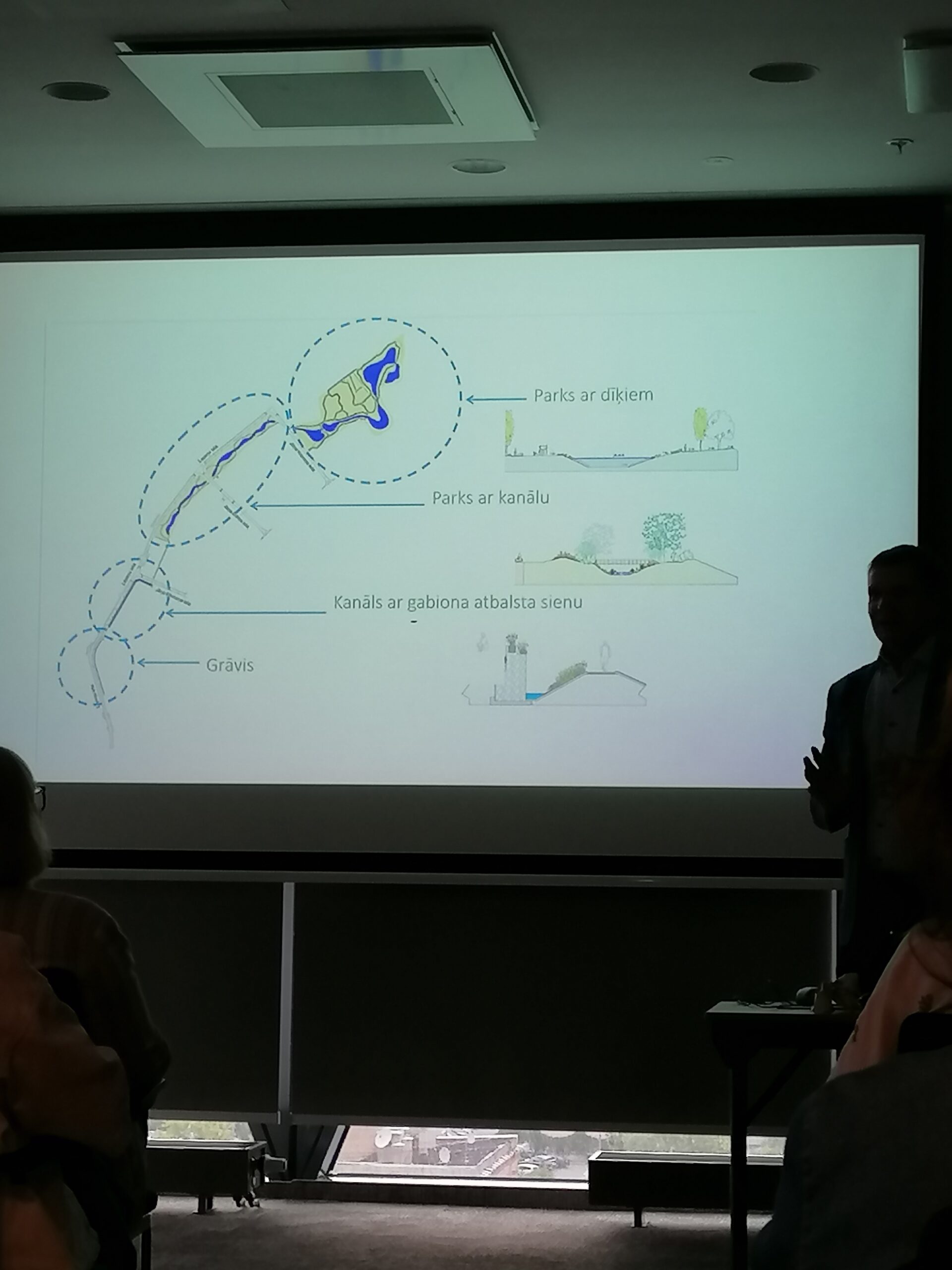
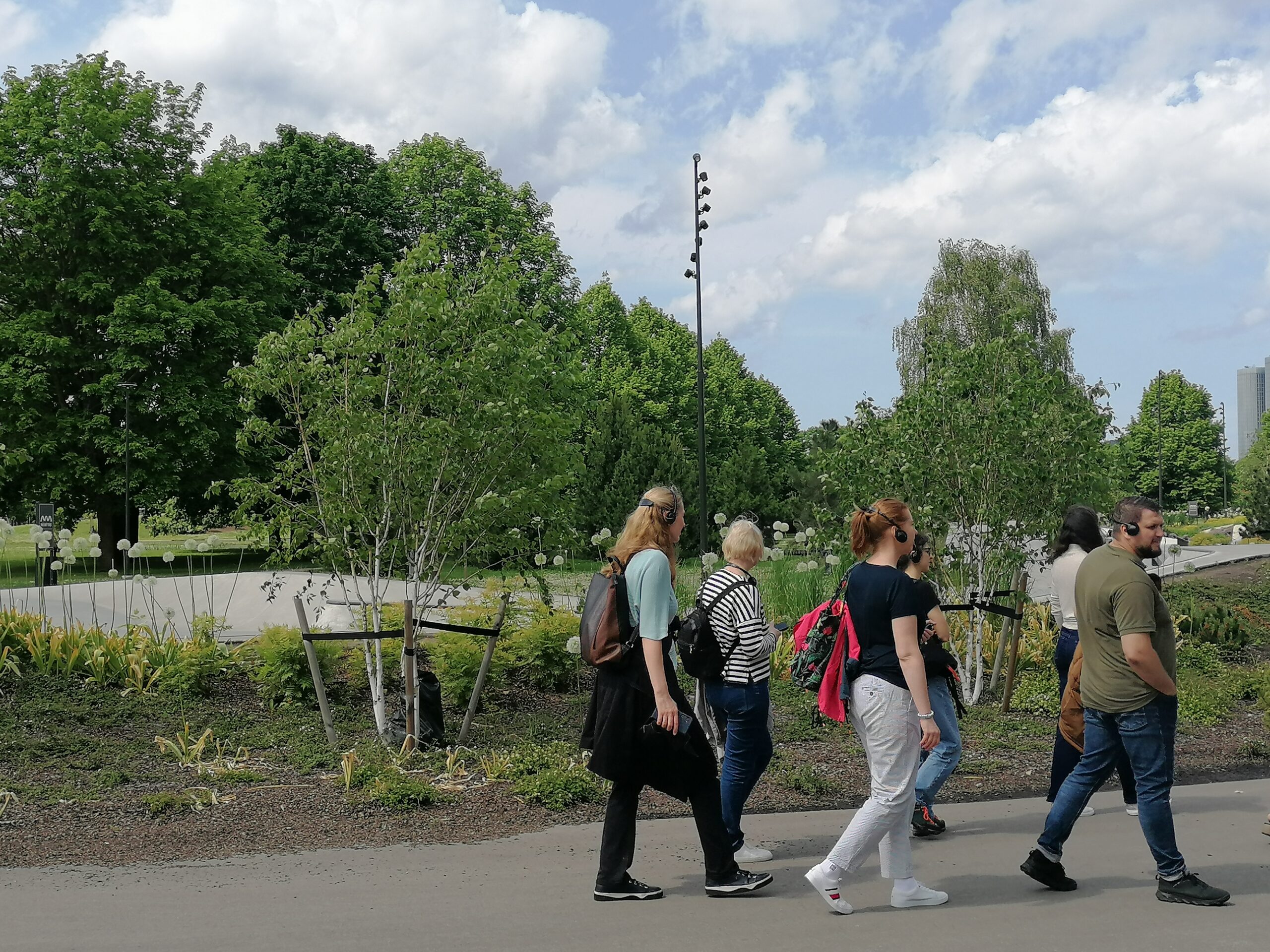
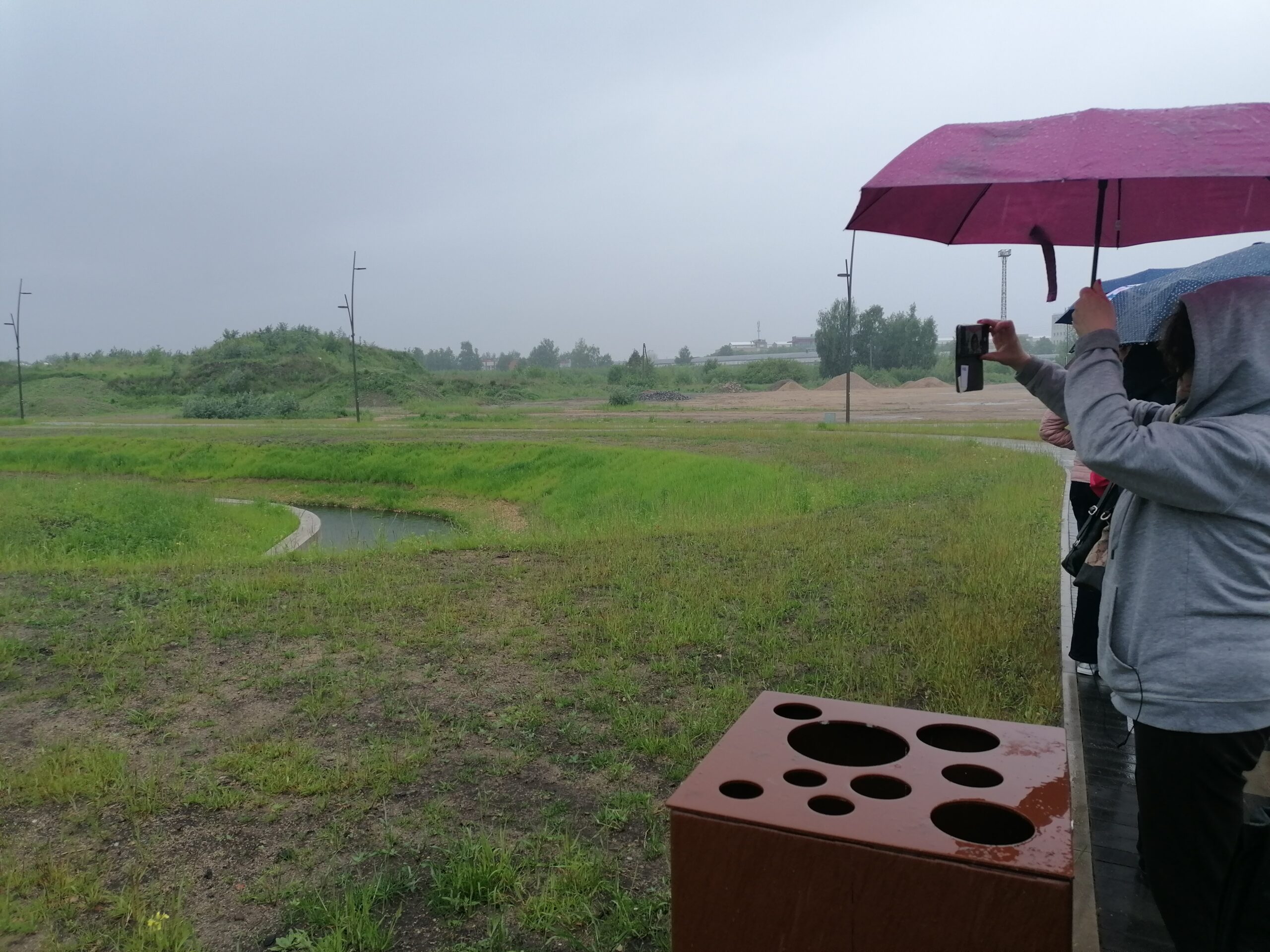
#4 From Blueprint to Soil – Touring the 8 Baltic Demo Sites
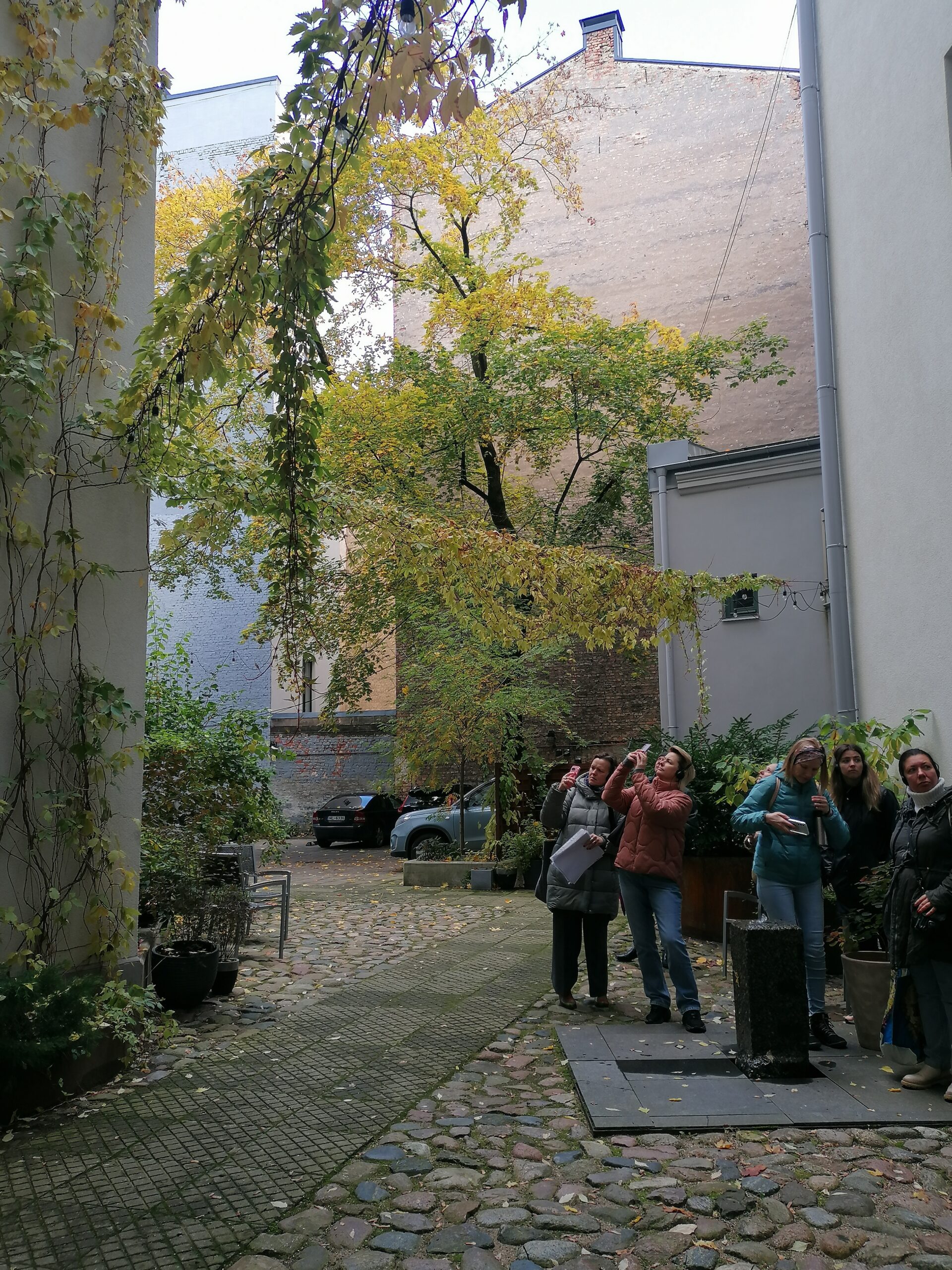
Thefourthepisodeofthe LIFE LATESTadaptpodcastisdedicated to eightdemonstrationsitesin Latvia andEstonia:
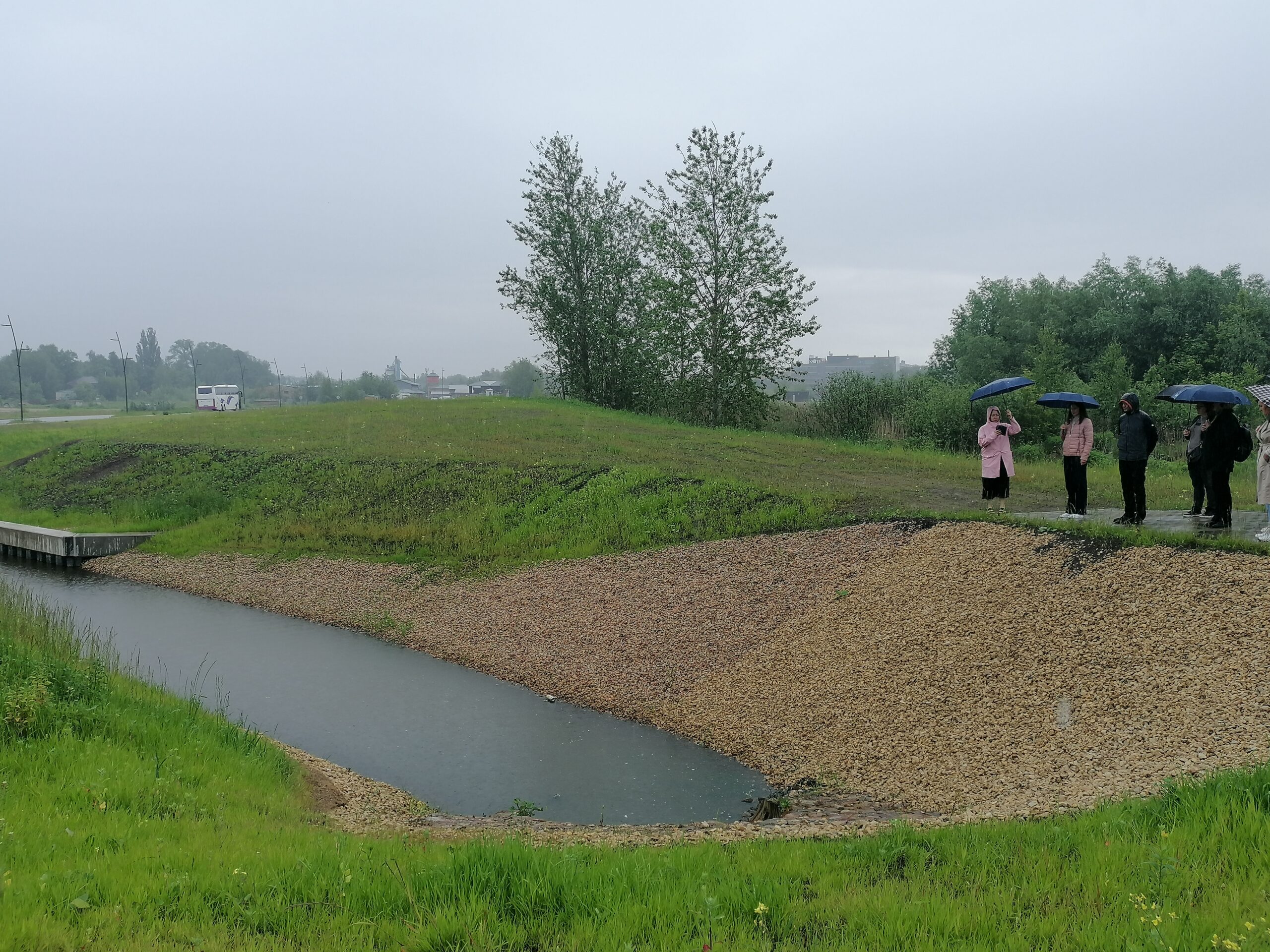
how different municipalities are implementing nature-based solutions for stormwater management and flood risk reduction,
how cooperation between scientists, municipalities, and local communities takes place,
what challenges arise when developing demonstration sites in urban environments,
how sensors and digital data help evaluate the effectiveness of nature-based solutions,
how to ensure the long-term maintenance and development of these solutions after the project ends.
#5 Urban Greening Plans – How Cities Are Preparing for the Climate Future
The fifth episode of the LIFE LATESTadapt podcast is dedicated to Urban Greening Plans – strategic documents that help municipalities plan climate-resilient, healthy, and sustainable urban environments.
The episode explores:
how Urban Greening Plans help identify “problem areas” such as heat islands, flood-prone territories, and the lack of biodiversity,
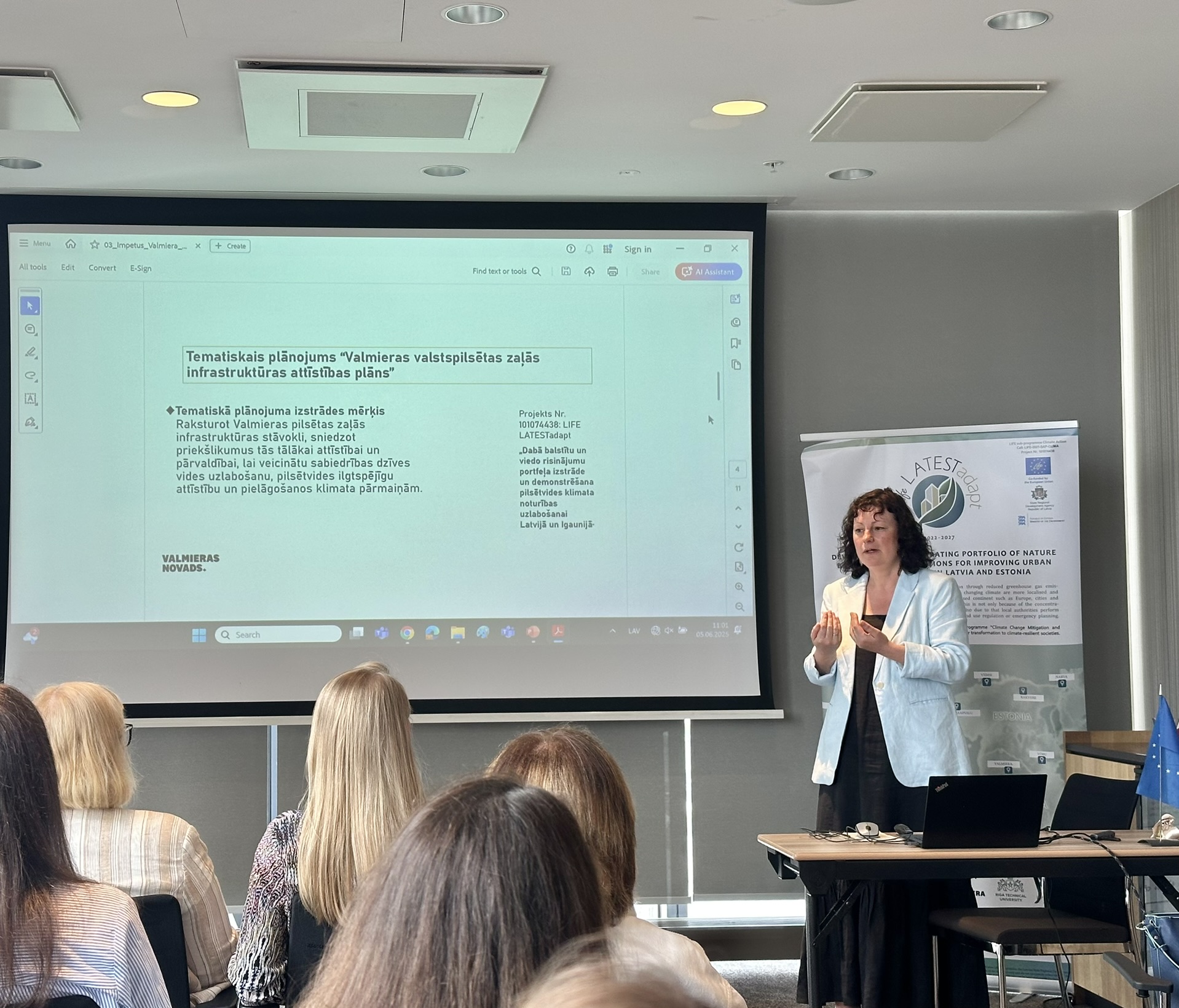
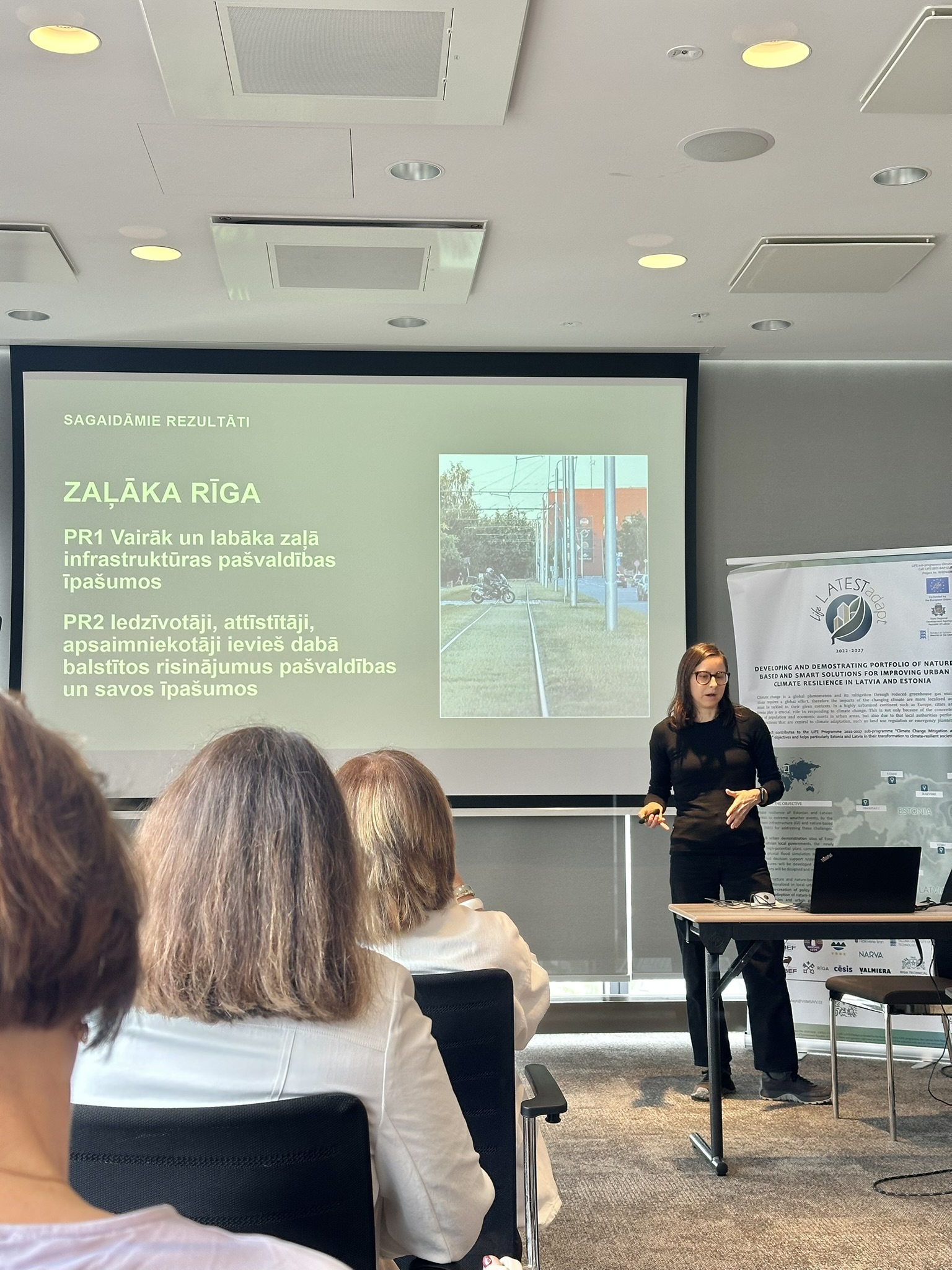
how Riga, Valmiera, and Cēsis integrate nature-based solutions into municipal planning,
how the city of Tartu is developing a “green ring” to strengthen biodiversity,
how scientific data and monitoring support sustainable decision-making in urban development,
how Urban Greening Plans help attract funding and implement long-term climate adaptation solutions,
how citizen engagement and private green spaces are becoming an important part of urban resilience.
#6 Generation Restoration – From Kindergarten to Career
The fifth episode of the LIFE LATESTadapt podcast is dedicated to Urban Greening Plans – strategic documents that help municipalities plan climate-resilient, healthy, and sustainable urban environments.
The episode explores:
how environmental education can introduce children and young people to climate change, biodiversity and urban greening;
how environmental organisations and Eco-School / Eco-University initiatives support climate literacy and youth engagement;
how universities are developing specialised programmes in urban water management, sustainability and climate resilience;
how students can gain practical experience through real-world data, campus “living laboratories” and demonstration sites;
how formal and non-formal education can work together to develop the skills needed for future urban planning;
what is needed to encourage young professionals to build careers in climate-resilient urban development.